THE ADVENTURE COLLECTIVE® · Independent discovery and booking for outdoor travel

Stand (literally) on the equator, then trade the monument crowd for a hike into Pululahua’s emerald crater. This one-day tour mixes brief cultural stops with a moderate hillside trek inside a rare geobotanical reserve.
Stand (literally) on the equator, then trade the monument crowd for a hike into Pululahua’s emerald crater. This one-day tour mixes brief cultural stops with a moderate hillside trek inside a rare geobotanical reserve.
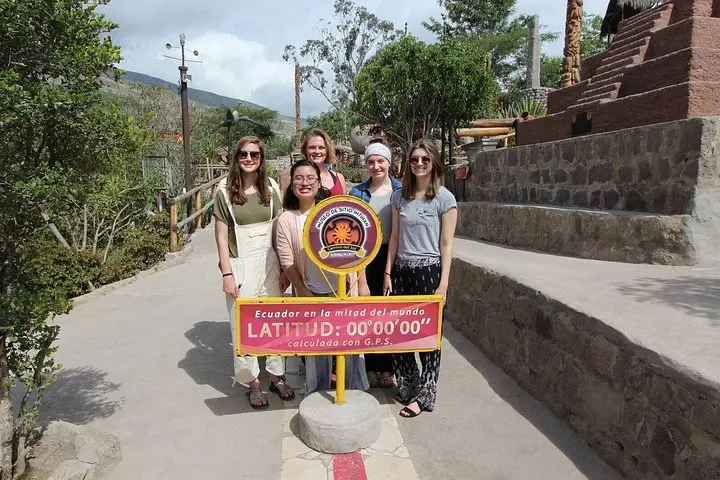
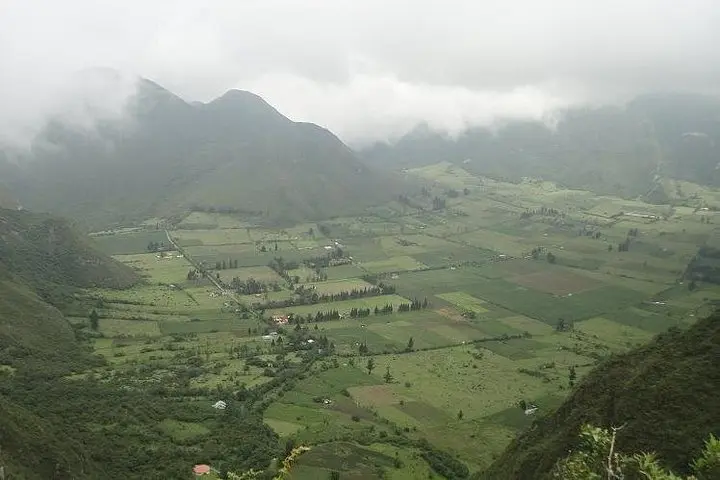
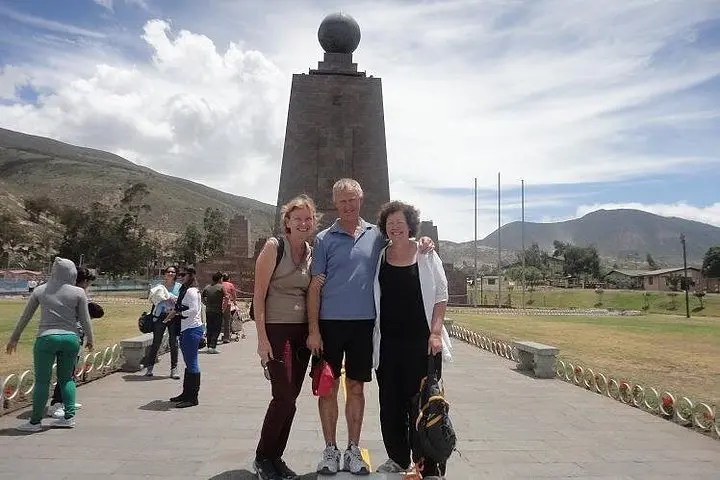
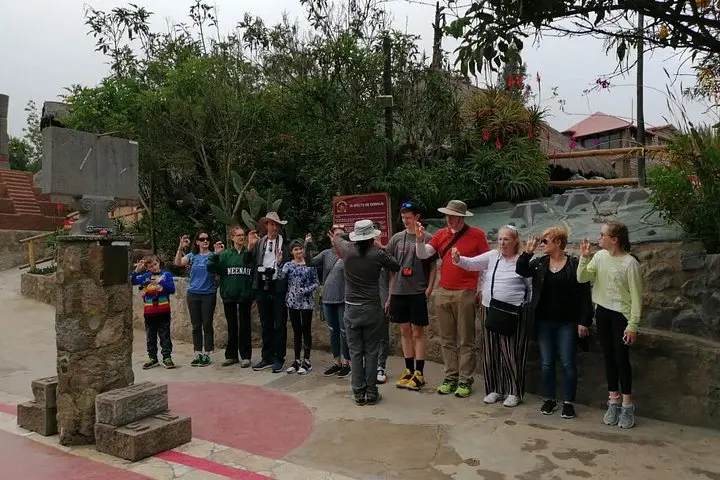
You arrive on a crisp Andean morning, the road climbing out of Quito and the city thinning behind you as the monument at the Mitad del Mundo appears — a geometric marker that dares you to stand with one foot in each hemisphere. The guide points out the painted line while trade wind lifts the brim of your hat; farther off, the Pululahua crater waits, its rim folded like a bowl holding green pastures and scattered farms.
Verified experiences and guided adventures in the surrounding area.
Operated by Latin Adventures Cía Ltda · Quito, Pichincha
You arrive on a crisp Andean morning, the road climbing out of Quito and the city thinning behind you as the monument at the Mitad del Mundo appears — a geometric marker that dares you to stand with one foot in each hemisphere. The guide points out the painted line while trade wind lifts the brim of your hat; farther off, the Pululahua crater waits, its rim folded like a bowl holding green pastures and scattered farms.
Pululahua was declared Ecuador’s first national park in 1969 and today functions as a geobotanical reserve protecting over 50 plant species and more than 20 animal species. Geologically it is an intact volcanic caldera; the crater floor sits below the rim and displays fertile soils that locals use for agriculture, creating a patchwork of crops and grazing lands. Cultural threads run through the day — Intiñan Museum’s demonstrations of equatorial novelty, and the small communities around Pululahua that farm these slopes as they have for generations.
Expect a day of short cultural stops and a hill-side hike: uneven trails, grassy terraces, and steady but moderate elevation changes. The air is thin — Quito sits near 2,850 m — so move deliberately and hydrate. Footing can be slick after rain; pack layers because weather shifts quickly between sun, wind and spit of rain. Photography windows open from rim vantage points; lunch choices range from picnic on the crater floor to a local lunch if included.
This itinerary blends light cultural tourism with a grounded outdoor hike, ideal for travelers wanting a compact introduction to Ecuador’s equatorial geography and highland nature.
The itinerary lists Mitad del Mundo visits but notes the monument admission may not be included; Intiñan Museum admission is often included — confirm at booking.
Quito and Pululahua sit near 2,500–2,850 m; many visitors experience mild shortness of breath. Take it slow, hydrate, and avoid heavy exertion on the first day.
The operator sets a minimum age of 5 and recommends moderate fitness; the hike includes uneven ground and some steady uphill sections.
Private transport is included; booking questions typically request a pickup point — confirm your hotel or meeting location in advance.
Latin Adventures Cía Ltda operates guided outdoor trips and adventures with an emphasis on safety, stewardship, and memorable experiences.
You arrive on a crisp Andean morning, the road climbing out of Quito and the city thinning behind you as the monument at the Mitad del Mundo appears — a geometric marker that dares you to stand with one foot in each hemisphere. The guide points out the painted line while trade wind lifts the brim of your hat; farther off, the Pululahua crater waits, its rim folded like a bowl holding green pastures and scattered farms.
You arrive on a crisp Andean morning, the road climbing out of Quito and the city thinning behind you as the monument at the Mitad del Mundo appears — a geometric marker that dares you to stand with one foot in each hemisphere. The guide points out the painted line while trade wind lifts the brim of your hat; farther off, the Pululahua crater waits, its rim folded like a bowl holding green pastures and scattered farms.
Pululahua was declared Ecuador’s first national park in 1969 and today functions as a geobotanical reserve protecting over 50 plant species and more than 20 animal species. Geologically it is an intact volcanic caldera; the crater floor sits below the rim and displays fertile soils that locals use for agriculture, creating a patchwork of crops and grazing lands. Cultural threads run through the day — Intiñan Museum’s demonstrations of equatorial novelty, and the small communities around Pululahua that farm these slopes as they have for generations.
Expect a day of short cultural stops and a hill-side hike: uneven trails, grassy terraces, and steady but moderate elevation changes. The air is thin — Quito sits near 2,850 m — so move deliberately and hydrate. Footing can be slick after rain; pack layers because weather shifts quickly between sun, wind and spit of rain. Photography windows open from rim vantage points; lunch choices range from picnic on the crater floor to a local lunch if included.
This itinerary blends light cultural tourism with a grounded outdoor hike, ideal for travelers wanting a compact introduction to Ecuador’s equatorial geography and highland nature.