THE ADVENTURE COLLECTIVE® · Independent discovery and booking for outdoor travel

Spend a full day exploring medieval Erice’s hilltop lanes and the classical ruins of Segesta, with stops for authentic Sicilian cannoli. This guided, private tour blends history, geology and local food across a 7–8 hour route.
Spend a full day exploring medieval Erice’s hilltop lanes and the classical ruins of Segesta, with stops for authentic Sicilian cannoli. This guided, private tour blends history, geology and local food across a 7–8 hour route.
A morning on western Sicily opens like a page from two different eras. You climb toward Erice in an air-conditioned van, leaving Palermo’s sea-salt haze behind; the road tightens, stone walls steepen, and the town’s alabaster alleys reveal themselves over the low ridge. Wind and salt pans frame the view, and the town’s stonework seems to hold the cool of centuries.
Verified experiences and guided adventures in the surrounding area.
Operated by Alex Travel · Erice, Sicily
A morning on western Sicily opens like a page from two different eras. You climb toward Erice in an air-conditioned van, leaving Palermo’s sea-salt haze behind; the road tightens, stone walls steepen, and the town’s alabaster alleys reveal themselves over the low ridge. Wind and salt pans frame the view, and the town’s stonework seems to hold the cool of centuries.
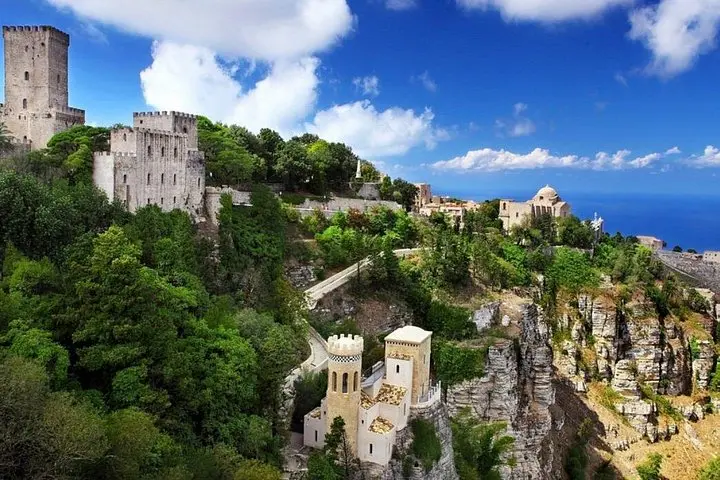
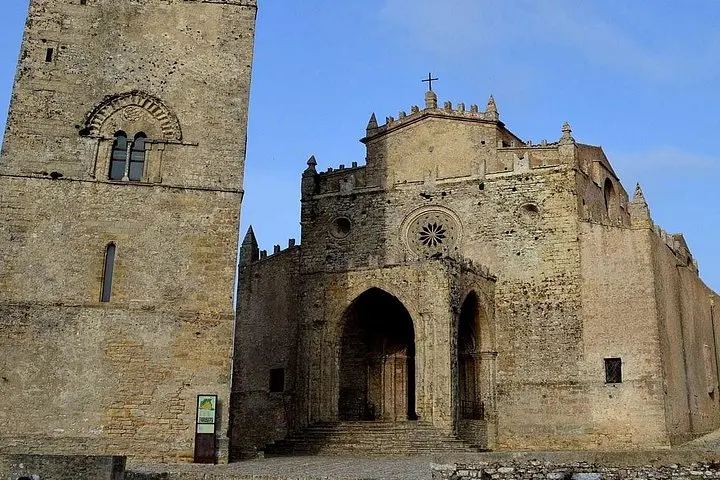
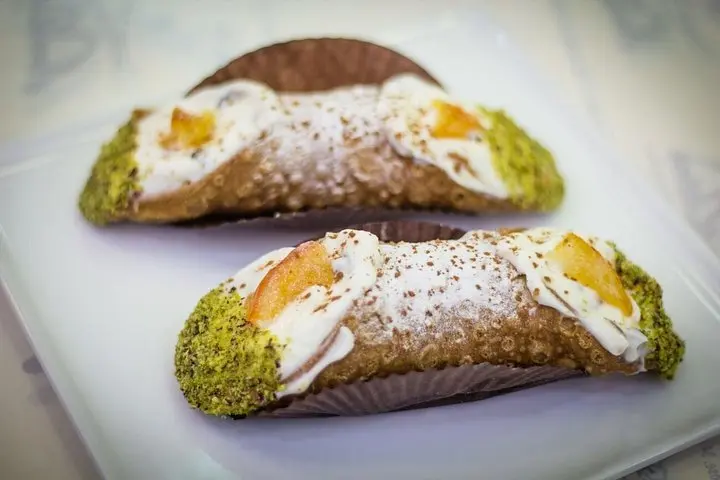
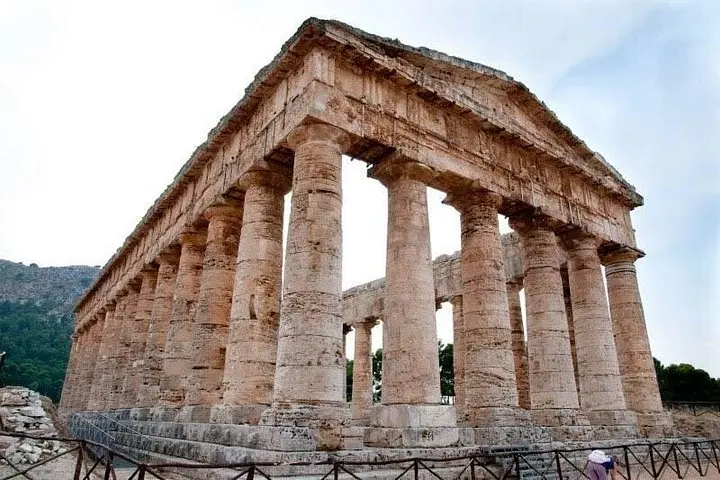
Erice is a compact medieval village with a Norman and later Spanish imprint—pepoli towers and the Castle of Venus command the ridge and offer sweeping views to the Egadi Islands. Twenty kilometers inland, Segesta’s Doric temple and hilltop theater speak to a much older layer: a Greek colony whose ruins cut into the limestone, where the geology of uplifted Miocene rocks created dramatic terraces and open panoramas. Local culture is tactile—hand-rolled cannoli from family pasticcerie, fishermen’s influence on menus, and towns that still close for riposo.
Practically, expect a full-day rhythm: 7–8 hours including transport, roughly two hours apiece for Erice and Segesta plus driving and short stops. Paths in Erice are cobbled and steep; Segesta involves uneven archaeological trails and open sun. Bring sturdy shoes, sun protection, and a light layer for gusty ridge winds. Timed to beat heat and crowds, mornings offer best light and cooler walking. Hydrate, carry small change for coffees and entry fees, and allow time to sit in a piazza with a cannolo—this tour is as much about place and pace as it is about landmarks.
The tour lasts approximately 7–8 hours (420–480 minutes), including transport and stops at Erice and Segesta.
Admissions to sites are not included—plan to buy entry tickets at Segesta or any museums you choose to visit.
Yes—this private tour accepts infants and small children, with infant seats available; however, cobbled streets and steps require care.
An English-speaking driver/guide is provided for the tour.
Alex Travel operates guided outdoor trips and adventures with an emphasis on safety, stewardship, and memorable experiences.
A morning on western Sicily opens like a page from two different eras. You climb toward Erice in an air-conditioned van, leaving Palermo’s sea-salt haze behind; the road tightens, stone walls steepen, and the town’s alabaster alleys reveal themselves over the low ridge. Wind and salt pans frame the view, and the town’s stonework seems to hold the cool of centuries.
A morning on western Sicily opens like a page from two different eras. You climb toward Erice in an air-conditioned van, leaving Palermo’s sea-salt haze behind; the road tightens, stone walls steepen, and the town’s alabaster alleys reveal themselves over the low ridge. Wind and salt pans frame the view, and the town’s stonework seems to hold the cool of centuries.
Erice is a compact medieval village with a Norman and later Spanish imprint—pepoli towers and the Castle of Venus command the ridge and offer sweeping views to the Egadi Islands. Twenty kilometers inland, Segesta’s Doric temple and hilltop theater speak to a much older layer: a Greek colony whose ruins cut into the limestone, where the geology of uplifted Miocene rocks created dramatic terraces and open panoramas. Local culture is tactile—hand-rolled cannoli from family pasticcerie, fishermen’s influence on menus, and towns that still close for riposo.
Practically, expect a full-day rhythm: 7–8 hours including transport, roughly two hours apiece for Erice and Segesta plus driving and short stops. Paths in Erice are cobbled and steep; Segesta involves uneven archaeological trails and open sun. Bring sturdy shoes, sun protection, and a light layer for gusty ridge winds. Timed to beat heat and crowds, mornings offer best light and cooler walking. Hydrate, carry small change for coffees and entry fees, and allow time to sit in a piazza with a cannolo—this tour is as much about place and pace as it is about landmarks.