THE ADVENTURE COLLECTIVE® · Independent discovery and booking for outdoor travel

Cross Boa Vista on a private four‑hour loop to Ervatão’s turtle reserve, a centuries‑old baobab oasis, and the Morro Negro lighthouse. Ideal for photographers and conservation‑minded travelers, the tour blends wildlife viewing with cultural stops in colorful northern villages.
Cross Boa Vista on a private four‑hour loop to Ervatão’s turtle reserve, a centuries‑old baobab oasis, and the Morro Negro lighthouse. Ideal for photographers and conservation‑minded travelers, the tour blends wildlife viewing with cultural stops in colorful northern villages.
You roll out of an air‑conditioned vehicle onto warm sand and the wind carries salt and the quick, dry scent of scrub. Ervatão’s shoreline stretches in quiet arcs; the beach seems to measure time by turtle tracks and the slow shadow of a secular baobab. From here the road climbs and unfolds across the island’s pale plains toward flower‑faced villages and the squat Morro Negro lighthouse that watches the Atlantic.
Verified experiences and guided adventures in the surrounding area.
Operated by La Perla Boavista · Sal Rei, Boa Vista
You roll out of an air‑conditioned vehicle onto warm sand and the wind carries salt and the quick, dry scent of scrub. Ervatão’s shoreline stretches in quiet arcs; the beach seems to measure time by turtle tracks and the slow shadow of a secular baobab. From here the road climbs and unfolds across the island’s pale plains toward flower‑faced villages and the squat Morro Negro lighthouse that watches the Atlantic.
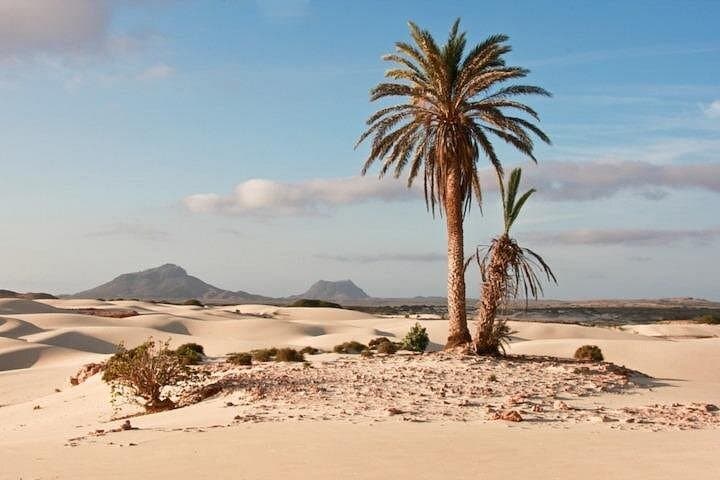
Boa Vista’s landscape reflects volcanic birth and coastal reworking: low dunes of sand and wind‑polished rock, with pockets of vegetation where underground moisture allows a baobab to survive centuries. Human history is stamped in salt pans and colonial buildings in Sal Rei; the north villages keep a slower rhythm of fishing, small gardens and brightly painted houses. From June to October the Ervatão reserve becomes a staging ground for Caretta caretta (loggerhead) turtles, whose nesting is tightly managed by local conservation groups.
Practically, expect a comfortable, roughly four‑hour private loop with photo stops built into the itinerary. The route is driven on maintained cobblestone and dirt roads; little walking is required but short sandy stretches at the reserve are natural and uneven. Bring sun protection, a refillable water bottle and a camera with a telephoto for wildlife behavior. Respect nesting areas: guided paths and local staff manage viewing windows during season.
Timing your visit early in the morning or late afternoon improves light and reduces heat. The tour suits a broad range of travelers, but note it requires a minimum of three participants and may be adjusted for weather or turtle‑protection closures.
Loggerhead turtles (Caretta caretta) typically nest from June through October; visits during that period may have restricted access and guided viewing only.
Tours generally include pickup from Sal Rei hotels or a designated meeting point; confirm pickup details when booking.
The tour notes stroller accessibility and minimal walking, but it’s not recommended for pregnant travelers or those with spinal injuries—check specifics with the operator.
Yes—drivers allow photo stops throughout the route, including the baobab, villages and viewpoints near Morro Negro lighthouse.
La Perla Boavista operates guided outdoor trips and adventures with an emphasis on safety, stewardship, and memorable experiences.
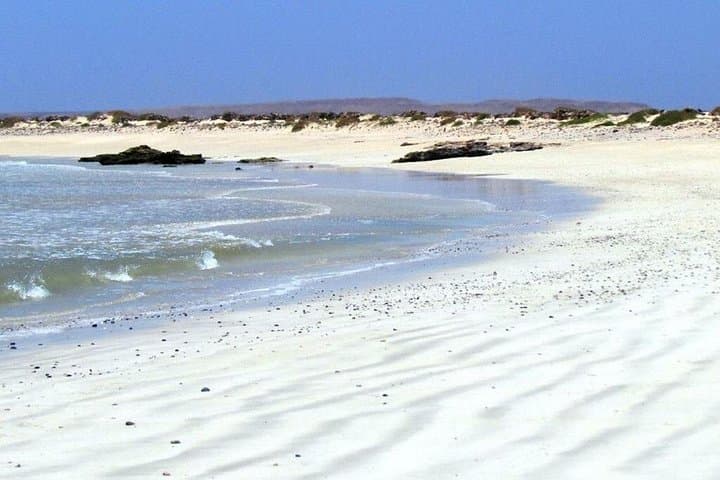
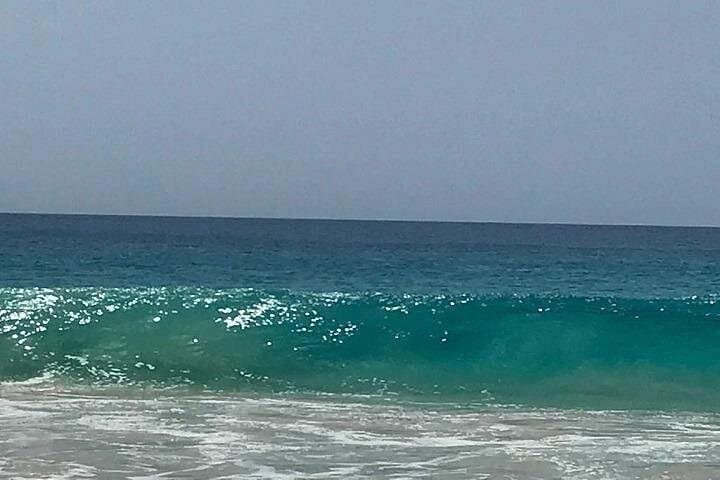
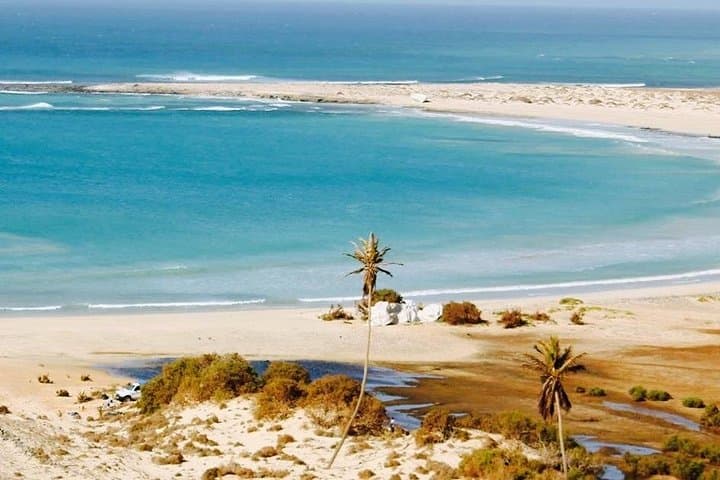
You roll out of an air‑conditioned vehicle onto warm sand and the wind carries salt and the quick, dry scent of scrub. Ervatão’s shoreline stretches in quiet arcs; the beach seems to measure time by turtle tracks and the slow shadow of a secular baobab. From here the road climbs and unfolds across the island’s pale plains toward flower‑faced villages and the squat Morro Negro lighthouse that watches the Atlantic.
You roll out of an air‑conditioned vehicle onto warm sand and the wind carries salt and the quick, dry scent of scrub. Ervatão’s shoreline stretches in quiet arcs; the beach seems to measure time by turtle tracks and the slow shadow of a secular baobab. From here the road climbs and unfolds across the island’s pale plains toward flower‑faced villages and the squat Morro Negro lighthouse that watches the Atlantic.
Boa Vista’s landscape reflects volcanic birth and coastal reworking: low dunes of sand and wind‑polished rock, with pockets of vegetation where underground moisture allows a baobab to survive centuries. Human history is stamped in salt pans and colonial buildings in Sal Rei; the north villages keep a slower rhythm of fishing, small gardens and brightly painted houses. From June to October the Ervatão reserve becomes a staging ground for Caretta caretta (loggerhead) turtles, whose nesting is tightly managed by local conservation groups.
Practically, expect a comfortable, roughly four‑hour private loop with photo stops built into the itinerary. The route is driven on maintained cobblestone and dirt roads; little walking is required but short sandy stretches at the reserve are natural and uneven. Bring sun protection, a refillable water bottle and a camera with a telephoto for wildlife behavior. Respect nesting areas: guided paths and local staff manage viewing windows during season.
Timing your visit early in the morning or late afternoon improves light and reduces heat. The tour suits a broad range of travelers, but note it requires a minimum of three participants and may be adjusted for weather or turtle‑protection closures.