THE ADVENTURE COLLECTIVE® · Independent discovery and booking for outdoor travel

A brisk 30-minute climb takes you from urban edges into a green summit with sweeping views of Osaka Bay and Kansai Airport. Enjoy a homemade onigiri at the top while learning about local plants and coastal history.
A brisk 30-minute climb takes you from urban edges into a green summit with sweeping views of Osaka Bay and Kansai Airport. Enjoy a homemade onigiri at the top while learning about local plants and coastal history.
You step off the tram and the city noise thins—pines and broadleaf trees take over, the trail rising steadily toward a coastal clearing. The 30-minute climb is compact but green: mossy stones, low shrubs, and the occasional bleat of wind through bamboo that seems to urge you upward. At the summit, Osaka Bay sprawls below like a moving slate, and Kansai Airport’s runways punctuate the water’s edge.
Verified experiences and guided adventures in the surrounding area.
Operated by Tsuji hiking Osaka · Osaka, Osaka Prefecture
You step off the tram and the city noise thins—pines and broadleaf trees take over, the trail rising steadily toward a coastal clearing. The 30-minute climb is compact but green: mossy stones, low shrubs, and the occasional bleat of wind through bamboo that seems to urge you upward. At the summit, Osaka Bay sprawls below like a moving slate, and Kansai Airport’s runways punctuate the water’s edge.
This little mountain sits on the younger, folded fringes of the Kansai coast—soft hills formed by marine sediments and uplifted terraces that reveal layers of recent geology. The area’s human story is short but visible: fishing villages that pushed into industrial ports, and now a commuter belt that steps back into small pockets of nature. Local guides point out edible plants, explain the role of satoyama (managed woodlands) in Japanese rural life, and offer a homegrown onigiri—rice formed by hand—so you can taste a place as well as see it.
Practical edge: the route is a maintained footpath with some stone steps and loose soil; expect a 30-minute ascent and similar descent, with about an hour at the viewpoint for picnic and interpretation. Wear grippy shoes, bring layered clothing for coastal wind, and pack 0.5–1L water per person. Morning light favors views of the bay and softer temperatures; late afternoons can be breezy and cooler.
This short hike is ideal for city dwellers wanting a quick nature reset—compact, sensory, and low-impact when visitors follow Leave No Trace.
The walking portion is roughly 30 minutes up and 30 minutes down; the full experience with picnic and interpretation runs about 1–3 hours depending on logistics.
Onigiri provided are typically simple rice balls; inform the operator of allergies or dietary needs when booking so they can accommodate where possible.
Yes—public transportation serves nearby towns; the supplier confirms meeting details and directions at booking.
Families with children and active older adults can usually manage the route, but it’s not recommended for people with serious spinal, cardiac, or pregnancy-related restrictions.
Tsuji hiking Osaka operates guided outdoor trips and adventures with an emphasis on safety, stewardship, and memorable experiences.
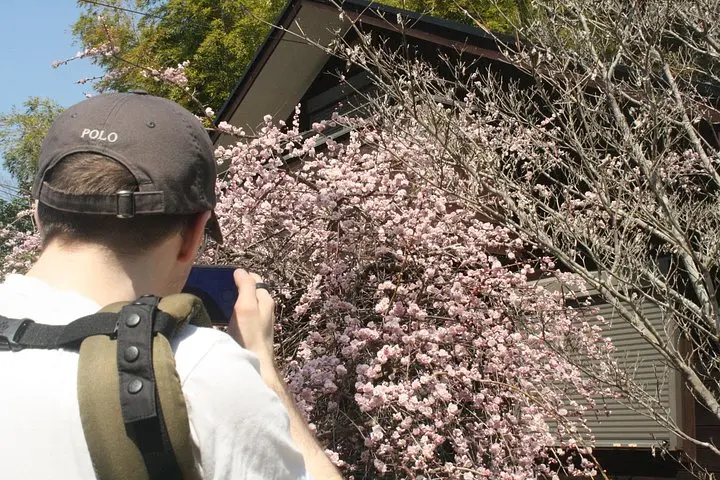
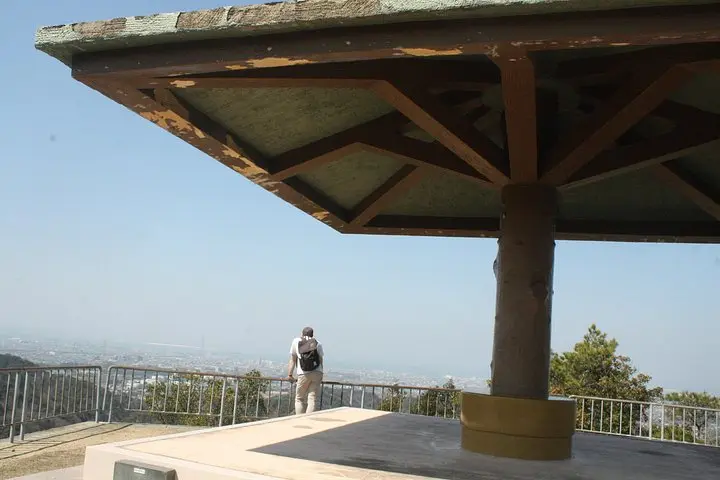
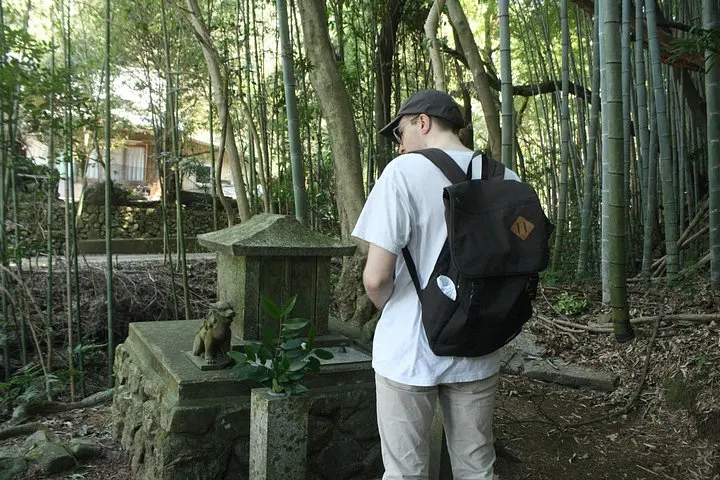
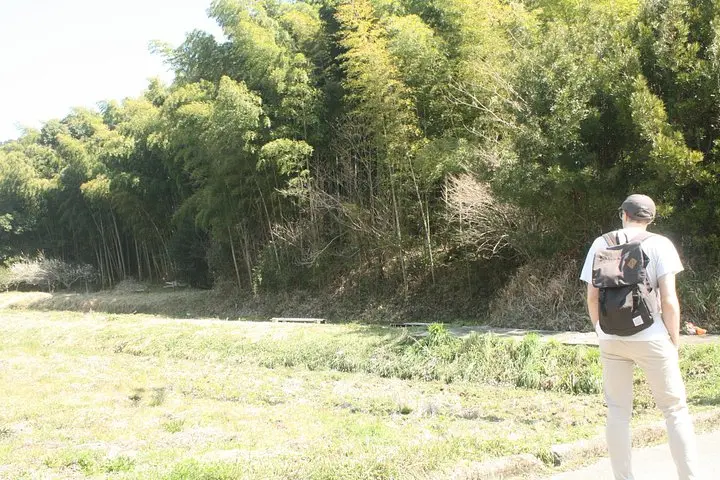
You step off the tram and the city noise thins—pines and broadleaf trees take over, the trail rising steadily toward a coastal clearing. The 30-minute climb is compact but green: mossy stones, low shrubs, and the occasional bleat of wind through bamboo that seems to urge you upward. At the summit, Osaka Bay sprawls below like a moving slate, and Kansai Airport’s runways punctuate the water’s edge.
You step off the tram and the city noise thins—pines and broadleaf trees take over, the trail rising steadily toward a coastal clearing. The 30-minute climb is compact but green: mossy stones, low shrubs, and the occasional bleat of wind through bamboo that seems to urge you upward. At the summit, Osaka Bay sprawls below like a moving slate, and Kansai Airport’s runways punctuate the water’s edge.
This little mountain sits on the younger, folded fringes of the Kansai coast—soft hills formed by marine sediments and uplifted terraces that reveal layers of recent geology. The area’s human story is short but visible: fishing villages that pushed into industrial ports, and now a commuter belt that steps back into small pockets of nature. Local guides point out edible plants, explain the role of satoyama (managed woodlands) in Japanese rural life, and offer a homegrown onigiri—rice formed by hand—so you can taste a place as well as see it.
Practical edge: the route is a maintained footpath with some stone steps and loose soil; expect a 30-minute ascent and similar descent, with about an hour at the viewpoint for picnic and interpretation. Wear grippy shoes, bring layered clothing for coastal wind, and pack 0.5–1L water per person. Morning light favors views of the bay and softer temperatures; late afternoons can be breezy and cooler.
This short hike is ideal for city dwellers wanting a quick nature reset—compact, sensory, and low-impact when visitors follow Leave No Trace.