THE ADVENTURE COLLECTIVE® · Independent discovery and booking for outdoor travel

Beat Anchorage’s soggy ‘breakup’ season with a four-hour drive along the Seward Highway to the Alaska Wildlife Conservation Center—small-group viewing of bears, bison, and moose plus a scenic stop in Girdwood. Practical, photographic, and family-friendly.
Beat Anchorage’s soggy ‘breakup’ season with a four-hour drive along the Seward Highway to the Alaska Wildlife Conservation Center—small-group viewing of bears, bison, and moose plus a scenic stop in Girdwood. Practical, photographic, and family-friendly.
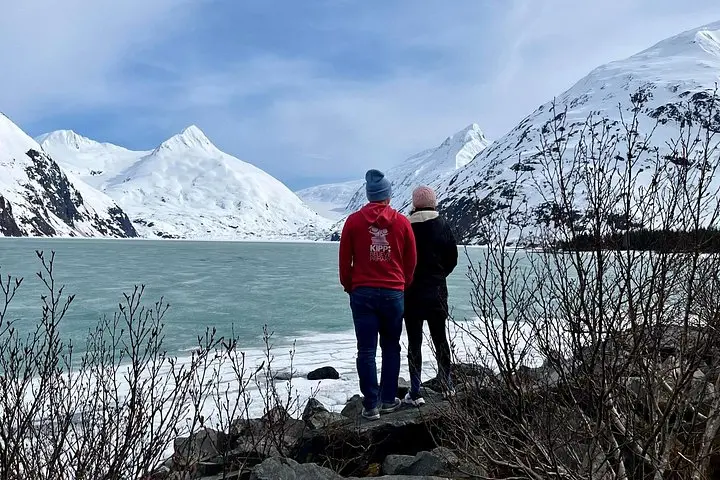
The bus eases out of downtown Anchorage with heaters whispering and windows fogging—outside, spring argues with itself: snow patches cling to north-facing slopes while meltwater drips off branches. Within an hour the city’s grid gives way to the Seward Highway and the landscape unspools into the raw, close-up drama of Turnagain Arm. Tidal flats and cliffs push and pull the light; gulls and ravens ride the drafts as the driver points out likely wildlife corridors on the radio.
Verified experiences and guided adventures in the surrounding area.
Operated by Escaping Anchorage · Portage, Alaska
The bus eases out of downtown Anchorage with heaters whispering and windows fogging—outside, spring argues with itself: snow patches cling to north-facing slopes while meltwater drips off branches. Within an hour the city’s grid gives way to the Seward Highway and the landscape unspools into the raw, close-up drama of Turnagain Arm. Tidal flats and cliffs push and pull the light; gulls and ravens ride the drafts as the driver points out likely wildlife corridors on the radio.
This four-hour outing trades Anchorage’s muddy breakup season for curated encounters at the Alaska Wildlife Conservation Center, a nonprofit opened in the early 1990s to provide sanctuary and rehabilitation space for injured and orphaned Alaskan megafauna. The route itself carries geological stories: the Seward Highway traces a fjord-shaped valley carved by last-century glaciers, and the ragged ridgelines you’ll pass are plywooded with moraines and streams still fed by snowmelt.
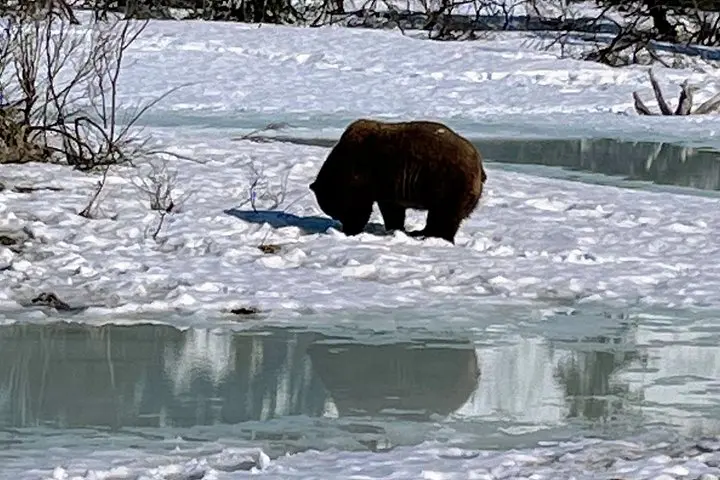
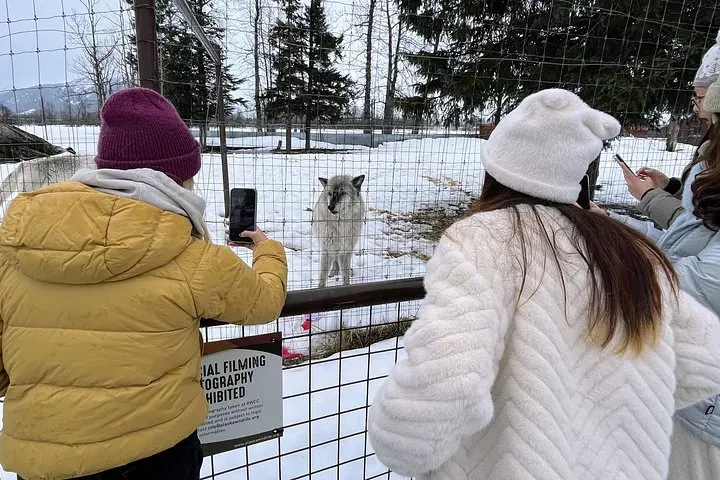
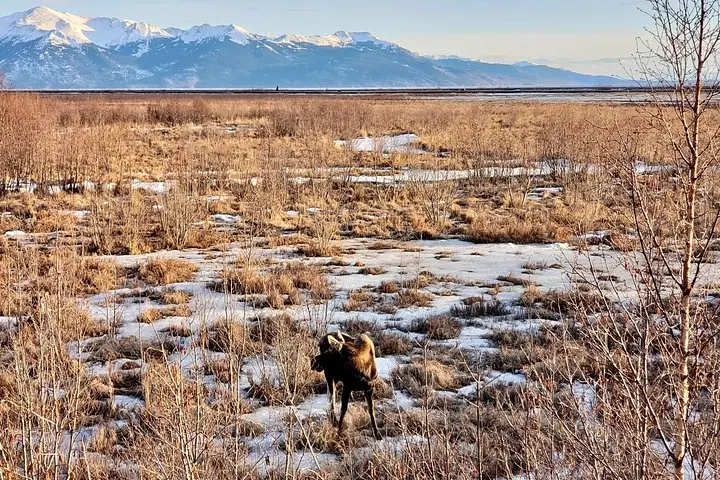
At the conservation center, boardwalks and viewing platforms put visitors within respectful distance of wood bison, brown and black bears, mountain goats, and moose. The animals aren’t props; gradient enclosures and year-round care reflect decades of regional conservation work—and the center’s role in educating visitors about subsistence, habitat loss, and human-wildlife coexistence. After the center, the itinerary stops in Girdwood, a small forest town shedding winter and leaning toward summer with cozy cafés, handcrafted souvenirs, and quick trailheads if you want one more breath of spruce-scented air.
Practical edge: the tour runs about four hours total, with roughly 90 minutes of time at the conservation center and two one-hour stretches on the highway. Transportation and admission to the center are included; groups are small, usually capped at eight, which makes photo ops less frantic and more deliberate. Spring in Southcentral Alaska can mean slush on the shoulders of the road, sudden rain, and cold gusts off the Arm—dress in layers, carry waterproof footwear and a warm hat, and plan for soft, variable light that can be excellent for muted wildlife portraits.
If you’re timing matters: mornings can be quieter at the center for animal activity, but coastal light around Turnagain Arm favors late afternoon. Bring binoculars and a telephoto lens if you care about close-up shots; bring motion-sickness remedies if bus rides over the winding highway unsettle you. Expect interpretive commentary from guides who balance natural history, local culture, and straightforward logistics: where to meet (Dena’ina Center, 7th & F), how long you’ll linger in Girdwood, and the refund window if the weather turns. For a short half-day escape from Anchorage’s unpredictable spring, this trip is efficient, educational, and quietly powerful.
Meet in front of the Dena'ina Center (corner of 7th Avenue and F Street) 15 minutes before departure; exact pickup details are confirmed at booking.
Yes—admission to the conservation center is included in the tour price.
Expect about an hour each way from central Anchorage to the conservation center, with photo stops along Turnagain Arm.
The tour is family-friendly; viewing areas are accessible, but people with significant mobility limitations should contact the operator about specifics.
Common residents include wood bison, moose, black and brown bears, mountain goats, and an assortment of raptors; sightings depend on the animals’ daily patterns.
The tour may cancel for unsafe weather—cancel at least 24 hours before departure for a full refund; same-day weather cancellations follow the operator’s policy.
Escaping Anchorage operates guided outdoor trips and adventures with an emphasis on safety, stewardship, and memorable experiences.
The bus eases out of downtown Anchorage with heaters whispering and windows fogging—outside, spring argues with itself: snow patches cling to north-facing slopes while meltwater drips off branches. Within an hour the city’s grid gives way to the Seward Highway and the landscape unspools into the raw, close-up drama of Turnagain Arm. Tidal flats and cliffs push and pull the light; gulls and ravens ride the drafts as the driver points out likely wildlife corridors on the radio.
The bus eases out of downtown Anchorage with heaters whispering and windows fogging—outside, spring argues with itself: snow patches cling to north-facing slopes while meltwater drips off branches. Within an hour the city’s grid gives way to the Seward Highway and the landscape unspools into the raw, close-up drama of Turnagain Arm. Tidal flats and cliffs push and pull the light; gulls and ravens ride the drafts as the driver points out likely wildlife corridors on the radio.
This four-hour outing trades Anchorage’s muddy breakup season for curated encounters at the Alaska Wildlife Conservation Center, a nonprofit opened in the early 1990s to provide sanctuary and rehabilitation space for injured and orphaned Alaskan megafauna. The route itself carries geological stories: the Seward Highway traces a fjord-shaped valley carved by last-century glaciers, and the ragged ridgelines you’ll pass are plywooded with moraines and streams still fed by snowmelt.
At the conservation center, boardwalks and viewing platforms put visitors within respectful distance of wood bison, brown and black bears, mountain goats, and moose. The animals aren’t props; gradient enclosures and year-round care reflect decades of regional conservation work—and the center’s role in educating visitors about subsistence, habitat loss, and human-wildlife coexistence. After the center, the itinerary stops in Girdwood, a small forest town shedding winter and leaning toward summer with cozy cafés, handcrafted souvenirs, and quick trailheads if you want one more breath of spruce-scented air.
Practical edge: the tour runs about four hours total, with roughly 90 minutes of time at the conservation center and two one-hour stretches on the highway. Transportation and admission to the center are included; groups are small, usually capped at eight, which makes photo ops less frantic and more deliberate. Spring in Southcentral Alaska can mean slush on the shoulders of the road, sudden rain, and cold gusts off the Arm—dress in layers, carry waterproof footwear and a warm hat, and plan for soft, variable light that can be excellent for muted wildlife portraits.
If you’re timing matters: mornings can be quieter at the center for animal activity, but coastal light around Turnagain Arm favors late afternoon. Bring binoculars and a telephoto lens if you care about close-up shots; bring motion-sickness remedies if bus rides over the winding highway unsettle you. Expect interpretive commentary from guides who balance natural history, local culture, and straightforward logistics: where to meet (Dena’ina Center, 7th & F), how long you’ll linger in Girdwood, and the refund window if the weather turns. For a short half-day escape from Anchorage’s unpredictable spring, this trip is efficient, educational, and quietly powerful.