THE ADVENTURE COLLECTIVE® · Independent discovery and booking for outdoor travel

Trace London’s shadowy intelligence past on a private four‑hour walking tour that moves from St Ermin’s Hotel and Whitehall to the wartime depths of the Churchill War Rooms. Expect close-up stories of double agents, wartime strategy, and practical route advice for navigating this dense, history-rich quarter.
Trace London’s shadowy intelligence past on a private four‑hour walking tour that moves from St Ermin’s Hotel and Whitehall to the wartime depths of the Churchill War Rooms. Expect close-up stories of double agents, wartime strategy, and practical route advice for navigating this dense, history-rich quarter.
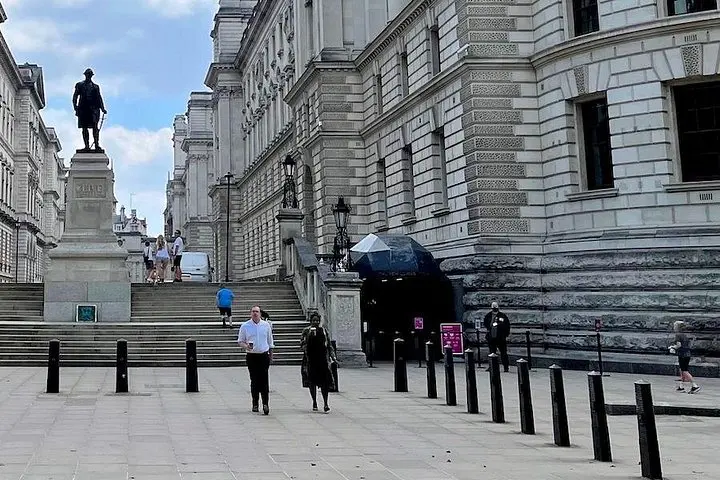
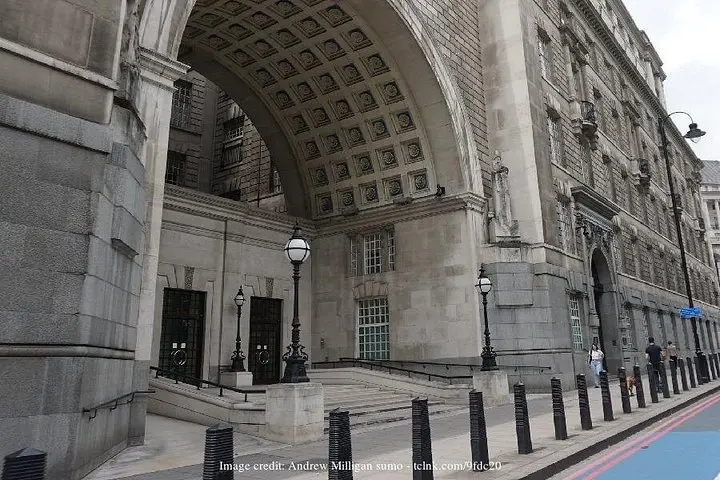
You step from the humming street into the hush of Whitehall, where sandstone façades lean in like eavesdropping neighbors and the city seems to hold its breath.
Verified experiences and guided adventures in the surrounding area.
Operated by Travel Curious · London, England
You step from the humming street into the hush of Whitehall, where sandstone façades lean in like eavesdropping neighbors and the city seems to hold its breath.
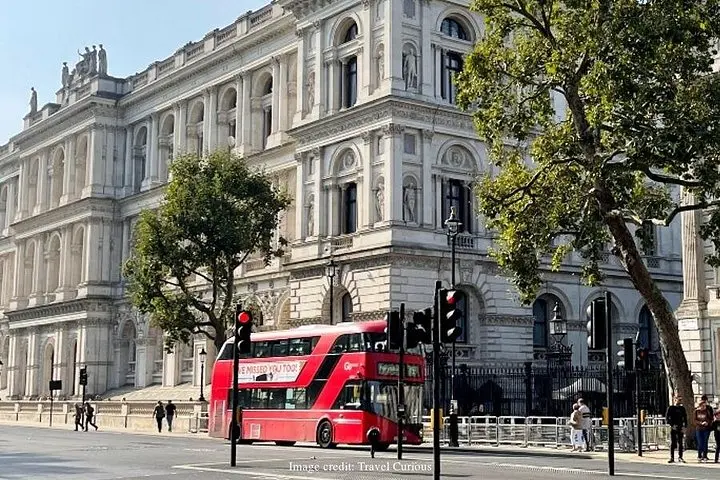
This four‑hour private walk threads past St Ermin's Hotel and the polished gates of Downing Street, then drops underground into the Churchill War Rooms — an intact wartime bunker where the Map Room and Cabinet Room still whisper the logistics of global conflict. Guides bring the Cold War era into sharp relief: the Cambridge Five, the split loyalties of MI5 and MI6, and the 1940 meetings that shaped Britain's wartime strategy.
London’s history here is layered: medieval streets above a modern capital, and beneath it, concrete and earth that sheltered critical decision-making. The area’s culture is governmental and ceremonial — wardens, ceremonial guards, and discreet hotels that doubled as intelligence hubs. Expect brisk urban geology lessons: Thames silt and clay shaped road lines and older building foundations, forcing wartime planners to excavate deep under the city.
Practical guidance: meet your guide near the War Rooms entrance in good time; public transport (St James’s Park or Westminster tubes) is the easiest access. The route covers roughly 1.5–2 miles on paved streets with stair access in the War Rooms. Wear sturdy shoes and layers; the bunker stays cool. Cameras are allowed in some public corridors but restricted in certain rooms — follow your guide’s directions. Bring a bottle of water and a charged phone for photos and emergency contact. If you have mobility concerns, notify the operator in advance — parts of the War Rooms have narrow, stepped passageways.
This tour balances storytelling with concrete places: it’s a compact, immersive history lesson that reads like a spy novel but runs on transit maps and worn flagstones.
The private tour runs about four hours and covers roughly 1.5–2 miles of predominantly flat, paved streets with stair access in the Churchill War Rooms.
Yes — the tour includes Churchill War Rooms admission as part of the itinerary.
Children can enjoy the stories, but the War Rooms have narrow, stepped passages; contact the operator in advance to discuss accessibility options.
Most groups meet at the Churchill War Rooms entrance off Clive Steps/King Charles Street; the nearest Tube stations are St James’s Park and Westminster.
Travel Curious operates guided outdoor trips and adventures with an emphasis on safety, stewardship, and memorable experiences.
You step from the humming street into the hush of Whitehall, where sandstone façades lean in like eavesdropping neighbors and the city seems to hold its breath.
You step from the humming street into the hush of Whitehall, where sandstone façades lean in like eavesdropping neighbors and the city seems to hold its breath.
This four‑hour private walk threads past St Ermin's Hotel and the polished gates of Downing Street, then drops underground into the Churchill War Rooms — an intact wartime bunker where the Map Room and Cabinet Room still whisper the logistics of global conflict. Guides bring the Cold War era into sharp relief: the Cambridge Five, the split loyalties of MI5 and MI6, and the 1940 meetings that shaped Britain's wartime strategy.
London’s history here is layered: medieval streets above a modern capital, and beneath it, concrete and earth that sheltered critical decision-making. The area’s culture is governmental and ceremonial — wardens, ceremonial guards, and discreet hotels that doubled as intelligence hubs. Expect brisk urban geology lessons: Thames silt and clay shaped road lines and older building foundations, forcing wartime planners to excavate deep under the city.
Practical guidance: meet your guide near the War Rooms entrance in good time; public transport (St James’s Park or Westminster tubes) is the easiest access. The route covers roughly 1.5–2 miles on paved streets with stair access in the War Rooms. Wear sturdy shoes and layers; the bunker stays cool. Cameras are allowed in some public corridors but restricted in certain rooms — follow your guide’s directions. Bring a bottle of water and a charged phone for photos and emergency contact. If you have mobility concerns, notify the operator in advance — parts of the War Rooms have narrow, stepped passageways.
This tour balances storytelling with concrete places: it’s a compact, immersive history lesson that reads like a spy novel but runs on transit maps and worn flagstones.