THE ADVENTURE COLLECTIVE® · Independent discovery and booking for outdoor travel

Spend a concentrated 4–5 hours birdwatching in Esquipulas’ foothills with pickup from Manuel Antonio/Quepos. Expect hummingbirds, trogons, toucans and the occasional king vulture guided by a bilingual naturalist.
Spend a concentrated 4–5 hours birdwatching in Esquipulas’ foothills with pickup from Manuel Antonio/Quepos. Expect hummingbirds, trogons, toucans and the occasional king vulture guided by a bilingual naturalist.
Morning light peels back the cloud layer over low foothills as you step from a transfer van into the drowsy chatter of the forest. The air smells of wet earth and coffee; invisible wings brush past with quick, bright calls. This is Esquipulas — a transitional zone at the base of San Marcos de Tarrazú's slopes — where secondary forest, garden edges and pastures meet and birds exploit every niche.
Verified experiences and guided adventures in the surrounding area.
Operated by Nature Tours Costa Rica · Manuel Antonio, Puntarenas
Morning light peels back the cloud layer over low foothills as you step from a transfer van into the drowsy chatter of the forest. The air smells of wet earth and coffee; invisible wings brush past with quick, bright calls. This is Esquipulas — a transitional zone at the base of San Marcos de Tarrazú's slopes — where secondary forest, garden edges and pastures meet and birds exploit every niche.
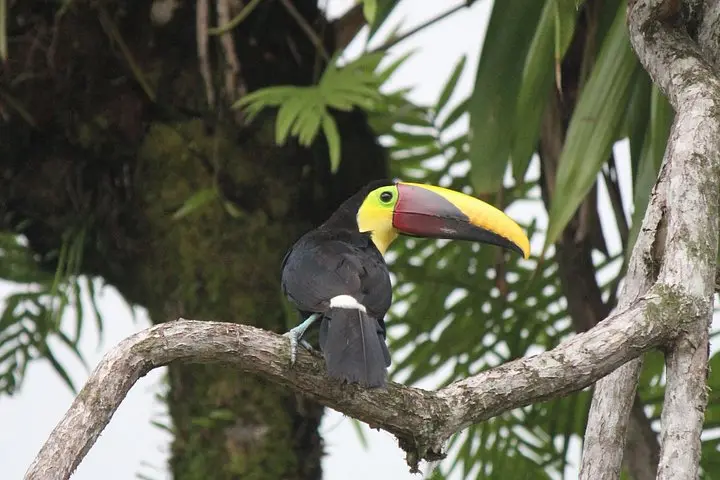
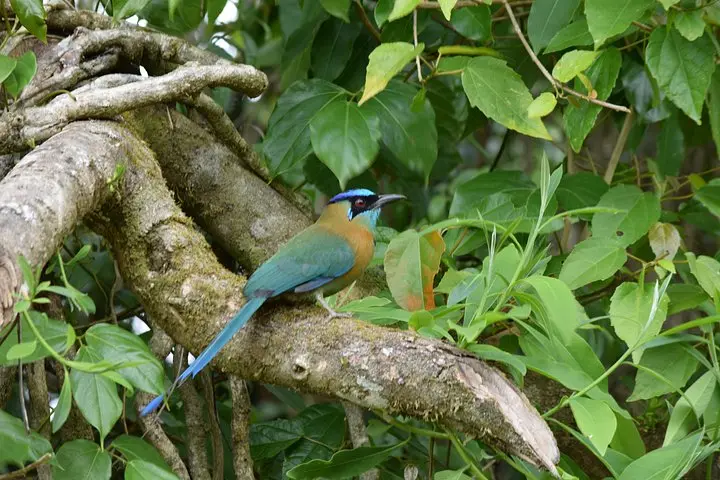
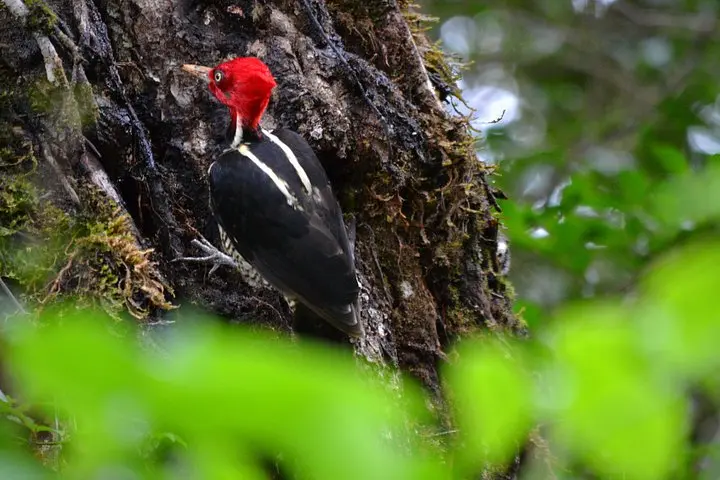
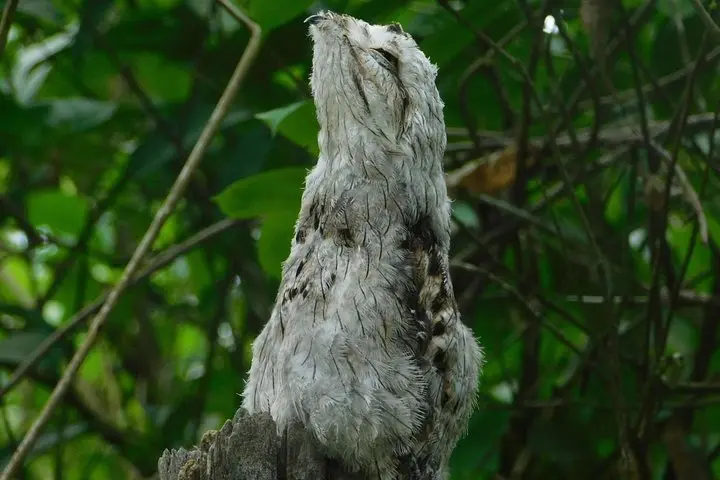
The region sits on volcanic soils shaped by the Talamanca range, which creates steep drainage and a patchwork of habitats that attract both resident and migratory species. Local culture mixes smallholder coffee farms and traditional mountain villages; guides often point out cultivated plots that double as birding hotspots. Historically, these foothills have been a movement corridor between lowland and montane species, so you’ll likely see toucans, trogons, the dramatic king vulture and tiny hummingbirds like the tufted coquette.
Practical guidance: tours run about 4–5 hours and include pickup from Manuel Antonio/Quepos, breakfast and bilingual guide equipment. Trails are mostly narrow dirt tracks with occasional short climbs — expect moderate footing and intermittent muddy sections after rain. Bring binoculars, a lightweight rain jacket, sturdy shoes and layered clothing for shifting microclimates. Start early: bird activity peaks at dawn and trails cool by midday. Move quietly, keep voices low and let the guide point out subtle calls; birds often reveal themselves after a patient minute. Note the operator requires a minimum two-person booking and may cancel for heavy rain. With basic fitness and respectful behavior, this guided morning gives concentrated birding where the forest edges challenge you to listen as much as look.
The tour lasts about 4–5 hours and includes pickup/return from Manuel Antonio/Quepos, breakfast, bottled water and a bilingual professional guide with necessary equipment.
Yes—beginners are welcome, but participants should have moderate mobility to walk uneven trails; children should be supervised and meet the operator’s safety guidelines.
Expect hummingbirds (tufted coquette, purple-crowned fairy), toucans, various trogons and larger raptors like the king vulture, depending on season and time of day.
The operator may cancel for heavy weather; light rain often continues the tour but bring rain gear and expect muddy sections.
Nature Tours Costa Rica operates guided outdoor trips and adventures with an emphasis on safety, stewardship, and memorable experiences.
Morning light peels back the cloud layer over low foothills as you step from a transfer van into the drowsy chatter of the forest. The air smells of wet earth and coffee; invisible wings brush past with quick, bright calls. This is Esquipulas — a transitional zone at the base of San Marcos de Tarrazú's slopes — where secondary forest, garden edges and pastures meet and birds exploit every niche.
Morning light peels back the cloud layer over low foothills as you step from a transfer van into the drowsy chatter of the forest. The air smells of wet earth and coffee; invisible wings brush past with quick, bright calls. This is Esquipulas — a transitional zone at the base of San Marcos de Tarrazú's slopes — where secondary forest, garden edges and pastures meet and birds exploit every niche.
The region sits on volcanic soils shaped by the Talamanca range, which creates steep drainage and a patchwork of habitats that attract both resident and migratory species. Local culture mixes smallholder coffee farms and traditional mountain villages; guides often point out cultivated plots that double as birding hotspots. Historically, these foothills have been a movement corridor between lowland and montane species, so you’ll likely see toucans, trogons, the dramatic king vulture and tiny hummingbirds like the tufted coquette.
Practical guidance: tours run about 4–5 hours and include pickup from Manuel Antonio/Quepos, breakfast and bilingual guide equipment. Trails are mostly narrow dirt tracks with occasional short climbs — expect moderate footing and intermittent muddy sections after rain. Bring binoculars, a lightweight rain jacket, sturdy shoes and layered clothing for shifting microclimates. Start early: bird activity peaks at dawn and trails cool by midday. Move quietly, keep voices low and let the guide point out subtle calls; birds often reveal themselves after a patient minute. Note the operator requires a minimum two-person booking and may cancel for heavy rain. With basic fitness and respectful behavior, this guided morning gives concentrated birding where the forest edges challenge you to listen as much as look.