THE ADVENTURE COLLECTIVE® · Independent discovery and booking for outdoor travel

Head 16 km inland from Manuel Antonio for a morning of high-density birding in rural Esquipulas. Guided spotting scopes, snacks and a Casado lunch make this an efficient and rewarding tour for photographers and birders of all skill levels.
Head 16 km inland from Manuel Antonio for a morning of high-density birding in rural Esquipulas. Guided spotting scopes, snacks and a Casado lunch make this an efficient and rewarding tour for photographers and birders of all skill levels.
You arrive at dawn and the highway light is still cool; the guide eases the van onto a rural track and the forest answers—wings, calls and brief flashes of color. For the next four hours you move deliberately through lowland secondary forest and open farm edges about 16 km from Manuel Antonio, where migratory flocks and resident species cross paths.
Verified experiences and guided adventures in the surrounding area.
Operated by Costa Rica Wáköö Tours · Quepos, Puntarenas
You arrive at dawn and the highway light is still cool; the guide eases the van onto a rural track and the forest answers—wings, calls and brief flashes of color. For the next four hours you move deliberately through lowland secondary forest and open farm edges about 16 km from Manuel Antonio, where migratory flocks and resident species cross paths.
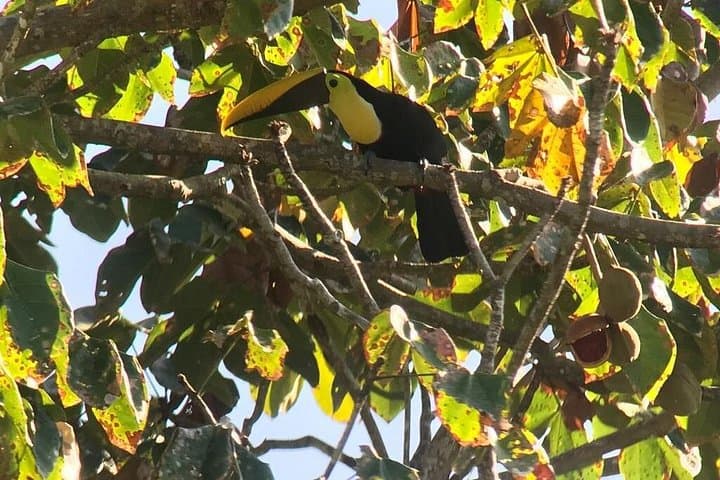
This coastline was shaped by uplifted volcanic soils and coastal plains that support dense riparian growth and isolated fruiting trees—prime feeding sites for toucans, scarlet macaws and motmots. The human story here mixes Afro-Caribbean fishing villages, small cattle farms and growing eco-tourism; local guides often inherit knowledge passed down through families and informal community networks.
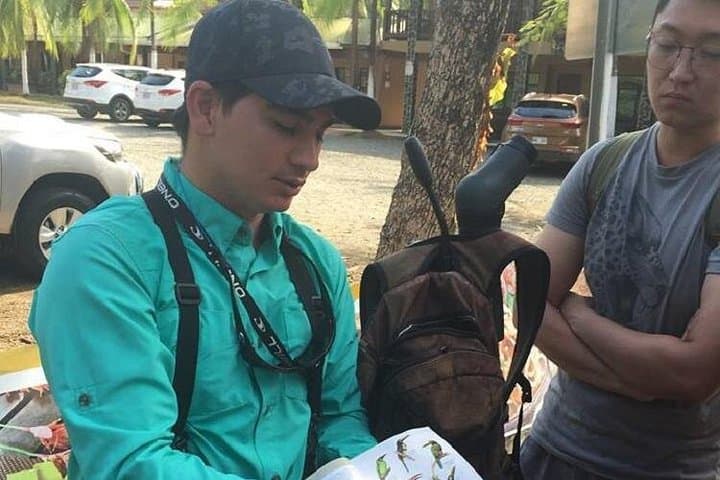
Expect focused, patient birding: point-and-wait at fruiting trees, quick roadside scans for raptors, and short walks along shaded tracks. Guides use high-end Swarovski spotting scopes and will compile a species list after the tour so you can match photos to names. Snacks, bottled water and a typical Costa Rican casado lunch are included.
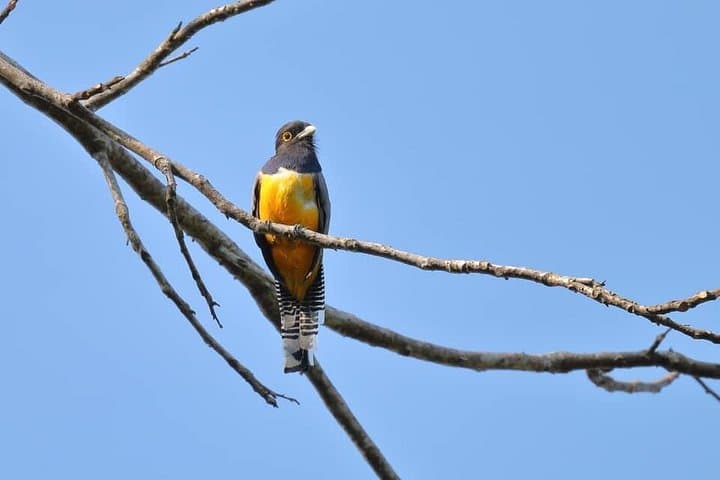
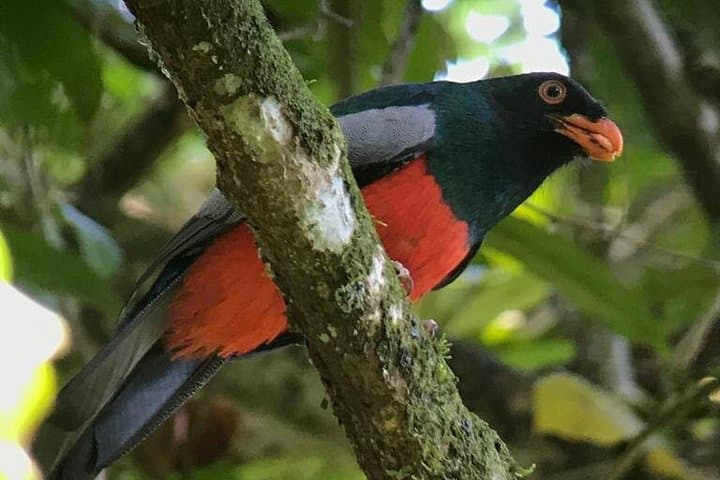
Practical tips: start early (pickups often at 5 a.m.), bring quiet footwear for uneven dirt roads, and carry a compact rain layer—the microclimate can change in minutes. Photography rewards careful composition and patience; a spotting scope will deliver distant macaws and trogons into sharp view. Whether you’re chasing a life-list sighting or enjoying relaxed nature time, this morning tour balances guided expertise with easy terrain and high bird density.
The shared tour lasts about four hours; pickup typically begins around 5:00 a.m. to maximize early-morning activity.
The area is known for both; guides target known fruiting trees and roost sites, but sightings depend on season and weather.
Terrain is easy—short, mostly flat dirt roads and shaded farm tracks—though it requires standing and short walks.
Yes. Guides supply a Swarovski spotting scope, share photos from the scope, and email a detailed species list after the tour.
Costa Rica Wáköö Tours operates guided outdoor trips and adventures with an emphasis on safety, stewardship, and memorable experiences.
You arrive at dawn and the highway light is still cool; the guide eases the van onto a rural track and the forest answers—wings, calls and brief flashes of color. For the next four hours you move deliberately through lowland secondary forest and open farm edges about 16 km from Manuel Antonio, where migratory flocks and resident species cross paths.
You arrive at dawn and the highway light is still cool; the guide eases the van onto a rural track and the forest answers—wings, calls and brief flashes of color. For the next four hours you move deliberately through lowland secondary forest and open farm edges about 16 km from Manuel Antonio, where migratory flocks and resident species cross paths.
This coastline was shaped by uplifted volcanic soils and coastal plains that support dense riparian growth and isolated fruiting trees—prime feeding sites for toucans, scarlet macaws and motmots. The human story here mixes Afro-Caribbean fishing villages, small cattle farms and growing eco-tourism; local guides often inherit knowledge passed down through families and informal community networks.
Expect focused, patient birding: point-and-wait at fruiting trees, quick roadside scans for raptors, and short walks along shaded tracks. Guides use high-end Swarovski spotting scopes and will compile a species list after the tour so you can match photos to names. Snacks, bottled water and a typical Costa Rican casado lunch are included.
Practical tips: start early (pickups often at 5 a.m.), bring quiet footwear for uneven dirt roads, and carry a compact rain layer—the microclimate can change in minutes. Photography rewards careful composition and patience; a spotting scope will deliver distant macaws and trogons into sharp view. Whether you’re chasing a life-list sighting or enjoying relaxed nature time, this morning tour balances guided expertise with easy terrain and high bird density.