THE ADVENTURE COLLECTIVE® · Independent discovery and booking for outdoor travel

Head out of Essaouira for a private four-hour drive that pairs Sidi Kaouki’s Atlantic beach with the argan forest’s curious spectacle: goats perched in trees and a visit to a women’s argan cooperative. Expect short walks, hands-on demonstrations, and photo stops.
Head out of Essaouira for a private four-hour drive that pairs Sidi Kaouki’s Atlantic beach with the argan forest’s curious spectacle: goats perched in trees and a visit to a women’s argan cooperative. Expect short walks, hands-on demonstrations, and photo stops.
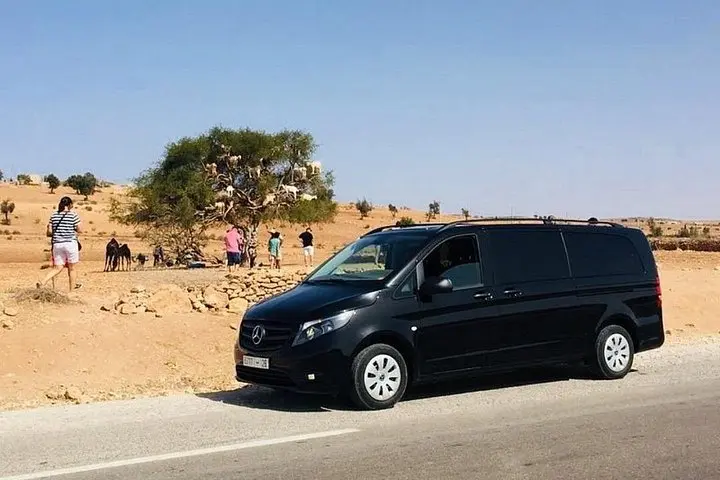
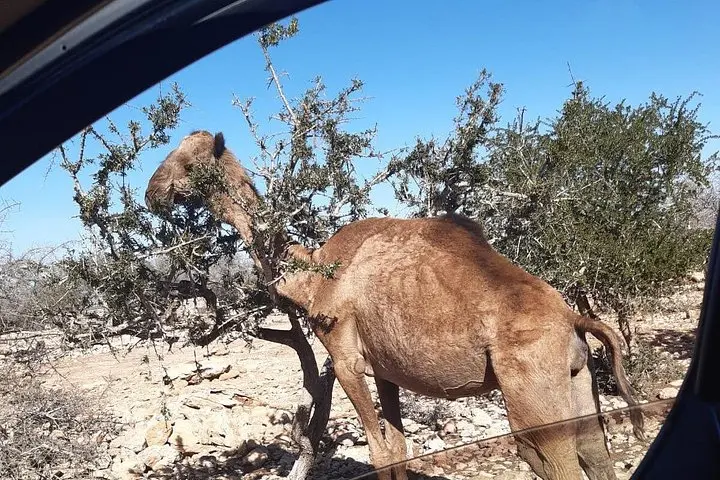
The car pulls away from Essaouira’s ramparts and the Atlantic wind moves through the windows — salt and surf filling the cabin as the driver points toward Sidi Kaouki. Within minutes the paved streets give way to scrub and low hills, and the coastline appears: a broad, wind-scoured beach where the ocean dares you to walk its edge. Further inland, argan trees stand gnarled and stubborn; goats climb their limbs as if the branches were ladders to the sky.
Verified experiences and guided adventures in the surrounding area.
Operated by soufitour AGENCE DE TRANSPORT TOURISTIQUE ESSAOUIRA · Essaouira, Marrakesh-Safi
The car pulls away from Essaouira’s ramparts and the Atlantic wind moves through the windows — salt and surf filling the cabin as the driver points toward Sidi Kaouki. Within minutes the paved streets give way to scrub and low hills, and the coastline appears: a broad, wind-scoured beach where the ocean dares you to walk its edge. Further inland, argan trees stand gnarled and stubborn; goats climb their limbs as if the branches were ladders to the sky.
The argan tree (Argania spinosa) is endemic to southwestern Morocco and part of a UNESCO-recognized biosphere. Its oil has long been produced by Amazigh (Berber) communities; cooperative workshops you’ll visit are run largely by local women who press, roast, and sell the oil that supports village economies. Geologically the region is coastal plain meeting ancient Atlantic-influenced soils, with sandy pockets and palm groves marking former wetter zones.
Practically, expect a private four-hour loop: pick-up from Essaouira, a stop at Sidi Kaouki, time in the argan forest for photos of goats browsing, and a guided cooperative visit with explanations and purchases possible. Terrain is mostly short walks on sand, dirt tracks, and flat cooperative floors; the tour listing notes wheelchair accessibility and easy pacing. Bring sun protection, a refillable water bottle, and small bills for cooperative goods. Mornings and late afternoons offer softer light for photos and calmer winds on the beach. Respect the animals — observe the goats without feeding them — and allow time to learn how argan oil is made: it’s as much cultural education as it is a nature drive.
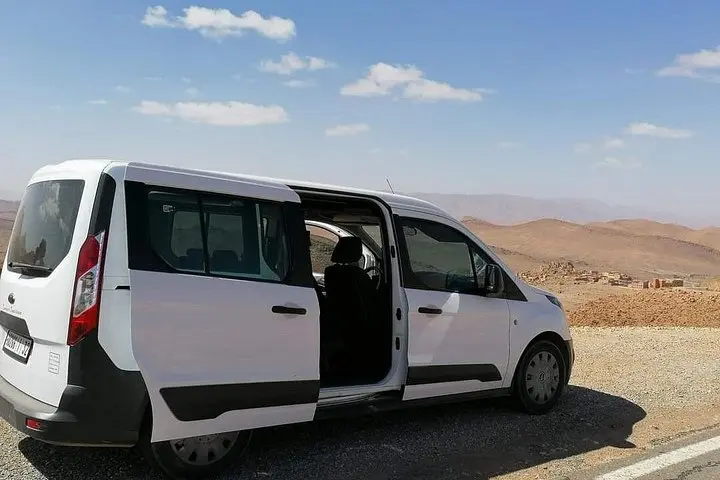
The tour is approximately four hours and includes private transportation, stops at Sidi Kaouki beach, time in the argan forest for photos, and an admission-included visit to an argan women’s cooperative.
According to the provider, transportation and surfaces are wheelchair accessible and the route is suitable for all physical levels, though beach access may be sandy.
Yes — cooperatives typically sell cold-pressed argan oil and other products; bring local currency and expect a short demonstration of the production process.
Goats are commonly seen in argan trees but sightings depend on season, time of day, and goat movements; guides will take you to areas where they are frequently observed.
soufitour AGENCE DE TRANSPORT TOURISTIQUE ESSAOUIRA operates guided outdoor trips and adventures with an emphasis on safety, stewardship, and memorable experiences.
The car pulls away from Essaouira’s ramparts and the Atlantic wind moves through the windows — salt and surf filling the cabin as the driver points toward Sidi Kaouki. Within minutes the paved streets give way to scrub and low hills, and the coastline appears: a broad, wind-scoured beach where the ocean dares you to walk its edge. Further inland, argan trees stand gnarled and stubborn; goats climb their limbs as if the branches were ladders to the sky.
The car pulls away from Essaouira’s ramparts and the Atlantic wind moves through the windows — salt and surf filling the cabin as the driver points toward Sidi Kaouki. Within minutes the paved streets give way to scrub and low hills, and the coastline appears: a broad, wind-scoured beach where the ocean dares you to walk its edge. Further inland, argan trees stand gnarled and stubborn; goats climb their limbs as if the branches were ladders to the sky.
The argan tree (Argania spinosa) is endemic to southwestern Morocco and part of a UNESCO-recognized biosphere. Its oil has long been produced by Amazigh (Berber) communities; cooperative workshops you’ll visit are run largely by local women who press, roast, and sell the oil that supports village economies. Geologically the region is coastal plain meeting ancient Atlantic-influenced soils, with sandy pockets and palm groves marking former wetter zones.
Practically, expect a private four-hour loop: pick-up from Essaouira, a stop at Sidi Kaouki, time in the argan forest for photos of goats browsing, and a guided cooperative visit with explanations and purchases possible. Terrain is mostly short walks on sand, dirt tracks, and flat cooperative floors; the tour listing notes wheelchair accessibility and easy pacing. Bring sun protection, a refillable water bottle, and small bills for cooperative goods. Mornings and late afternoons offer softer light for photos and calmer winds on the beach. Respect the animals — observe the goats without feeding them — and allow time to learn how argan oil is made: it’s as much cultural education as it is a nature drive.