THE ADVENTURE COLLECTIVE® · Independent discovery and booking for outdoor travel

A 12 km coastal hike from argan woodland to the seasonal Sidi M'Barket waterfall, finishing with a tajine lunch in a Berber village. Expect varied terrain, cultural encounters, and coastal views on a morning-to-early-afternoon outing.
A 12 km coastal hike from argan woodland to the seasonal Sidi M'Barket waterfall, finishing with a tajine lunch in a Berber village. Expect varied terrain, cultural encounters, and coastal views on a morning-to-early-afternoon outing.
The trail begins under a low canopy of argan trees, their gnarled trunks throwing lacy shadows as you move inland from the surf. Salt and wind sit on your skin; the ocean murmurs to your left while the path threads through scrub, terraced gardens and the hollows that channel winter runoff toward Sidi M'Barket.
Verified experiences and guided adventures in the surrounding area.
Operated by Ecotourisme et Randonnées · Essaouira, Marrakech-Safi
The trail begins under a low canopy of argan trees, their gnarled trunks throwing lacy shadows as you move inland from the surf. Salt and wind sit on your skin; the ocean murmurs to your left while the path threads through scrub, terraced gardens and the hollows that channel winter runoff toward Sidi M'Barket.
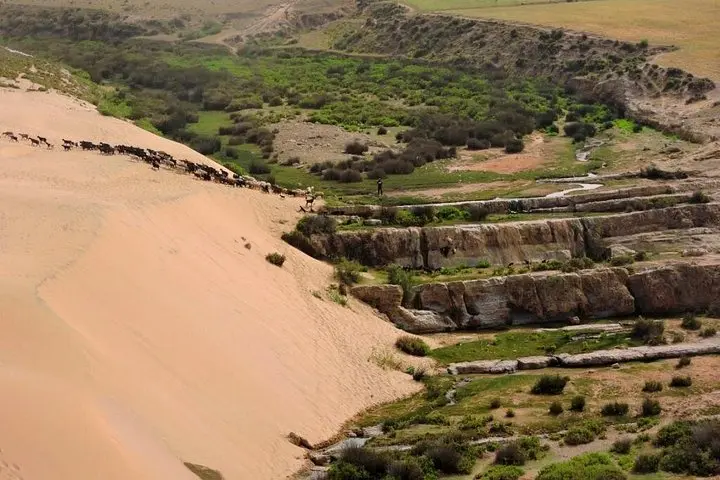
This stretch of Morocco’s Atlantic coast is shaped by ancient geology — soft clays and sandstones carved by seasonal streams into shallow canyons and beaches. Argan trees, endemic to this region, have supported Berber life and livelihoods for centuries; you’ll pass small hamlets where terraces and irrigation channels still mark traditional agriculture.
Culturally the hike culminates with a village visit: a Berber family welcomes you for tajine, translating layered local customs into a simple meal. Historically the area sits within the broader Essaouira zone, long a trading link between coast and hinterland and now part of regional conservation efforts focused on argan woodlands.
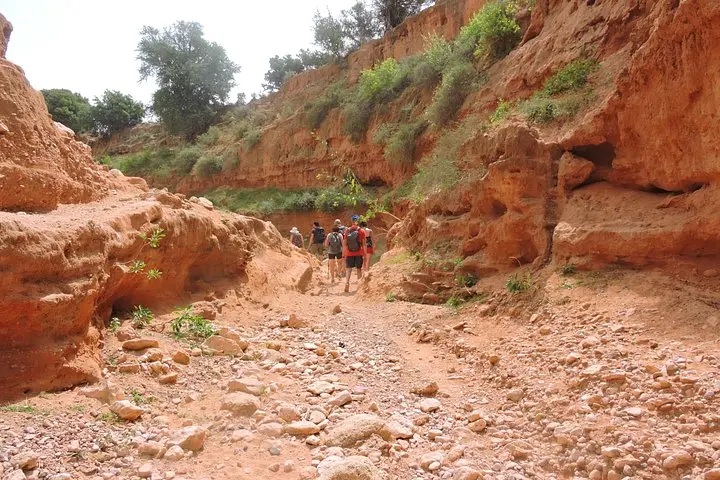
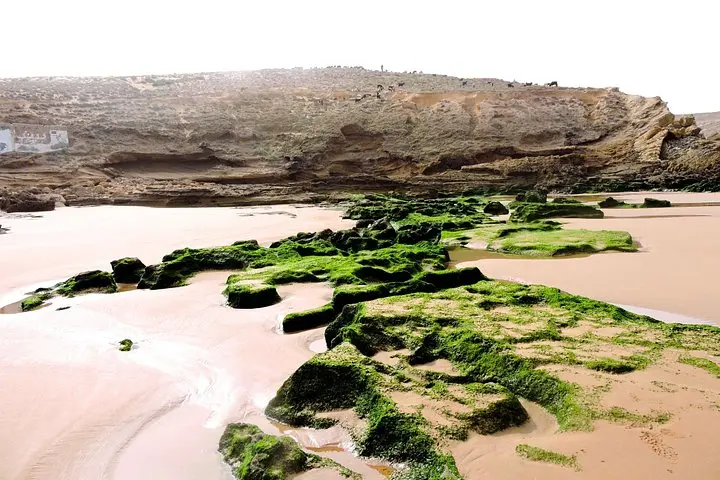
Practically, expect varied terrain — packed dirt tracks, sandy beach walking, and a short climb through a dry canyon (the waterfall is often seasonal). Start in the morning to avoid midday heat and wear shoes that handle sand and rock. Carry at least 1.5–2 liters of water, sun protection and a light layer for coastal wind. Respect private gardens and village life: ask before photographing and accept invitations as cultural exchanges rather than tourist spectacles.
This 12 km route balances accessible adventure with meaningful cultural contact — a day that moves from salt air to orchard shade to a family table.
No — the waterfall is seasonal and has run dry in recent drought years; the canyon and geology are still scenic even without water.
Moderate — expect packed dirt, sandy beach sections and short rocky climbs; basic hiking fitness is sufficient.
Yes — the route includes a hosted tajine with a Berber family, a cultural meal typically served mid- to late-morning depending on the itinerary.
Private transportation is included to and from the trailhead as part of the activity package.
Ecotourisme et Randonnées operates guided outdoor trips and adventures with an emphasis on safety, stewardship, and memorable experiences.
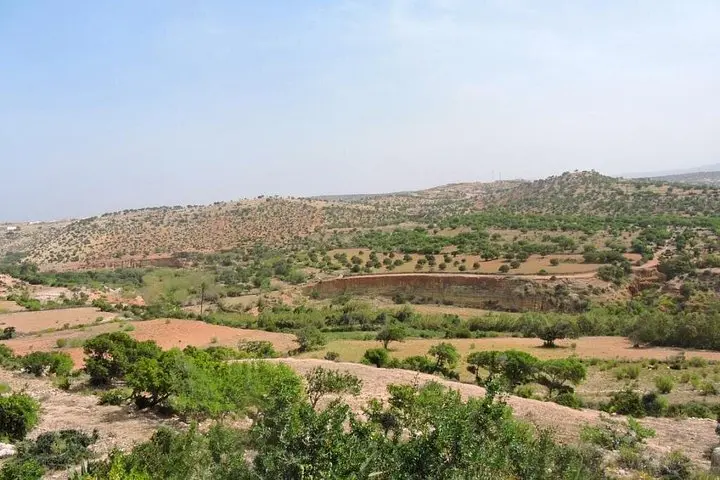
The trail begins under a low canopy of argan trees, their gnarled trunks throwing lacy shadows as you move inland from the surf. Salt and wind sit on your skin; the ocean murmurs to your left while the path threads through scrub, terraced gardens and the hollows that channel winter runoff toward Sidi M'Barket.
The trail begins under a low canopy of argan trees, their gnarled trunks throwing lacy shadows as you move inland from the surf. Salt and wind sit on your skin; the ocean murmurs to your left while the path threads through scrub, terraced gardens and the hollows that channel winter runoff toward Sidi M'Barket.
This stretch of Morocco’s Atlantic coast is shaped by ancient geology — soft clays and sandstones carved by seasonal streams into shallow canyons and beaches. Argan trees, endemic to this region, have supported Berber life and livelihoods for centuries; you’ll pass small hamlets where terraces and irrigation channels still mark traditional agriculture.
Culturally the hike culminates with a village visit: a Berber family welcomes you for tajine, translating layered local customs into a simple meal. Historically the area sits within the broader Essaouira zone, long a trading link between coast and hinterland and now part of regional conservation efforts focused on argan woodlands.
Practically, expect varied terrain — packed dirt tracks, sandy beach walking, and a short climb through a dry canyon (the waterfall is often seasonal). Start in the morning to avoid midday heat and wear shoes that handle sand and rock. Carry at least 1.5–2 liters of water, sun protection and a light layer for coastal wind. Respect private gardens and village life: ask before photographing and accept invitations as cultural exchanges rather than tourist spectacles.
This 12 km route balances accessible adventure with meaningful cultural contact — a day that moves from salt air to orchard shade to a family table.