THE ADVENTURE COLLECTIVE® · Independent discovery and booking for outdoor travel

Spend a day with local hosts near Essaouira visiting Sidi M’Barek waterfall, trying traditional sea fishing and finishing with a homemade fish tagine by the ocean. This immersive trip mixes short hikes, cultural exchange, and hands-on coastal fishing.
Spend a day with local hosts near Essaouira visiting Sidi M’Barek waterfall, trying traditional sea fishing and finishing with a homemade fish tagine by the ocean. This immersive trip mixes short hikes, cultural exchange, and hands-on coastal fishing.
You arrive on a bright Atlantic morning, wind combing the water-scented air as the road from Essaouira narrows into olive groves. A local host meets you at an agreed point, and the day unfolds like a series of compact scenes: a family farm for a steaming Berber breakfast, a short hike to Sidi M’Barek’s waterfall, then sand dunes that slide into a working fishing cove where traditional lines and nets still shape the catch.
Verified experiences and guided adventures in the surrounding area.
Operated by PERLE DE SIDI M'BARK · Essaouira, Marrakech-Safi
You arrive on a bright Atlantic morning, wind combing the water-scented air as the road from Essaouira narrows into olive groves. A local host meets you at an agreed point, and the day unfolds like a series of compact scenes: a family farm for a steaming Berber breakfast, a short hike to Sidi M’Barek’s waterfall, then sand dunes that slide into a working fishing cove where traditional lines and nets still shape the catch.
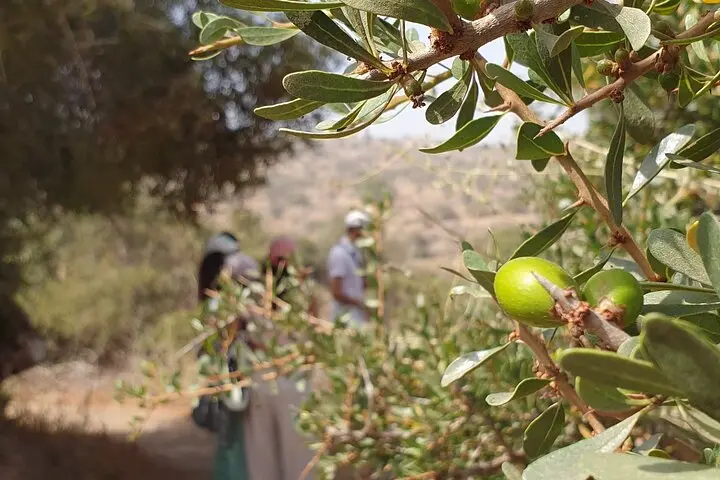
The region around Essaouira was long a crossroads between Berber inland communities and the Atlantic trade; the town itself — once Mogador — carries 18th-century fortifications and a living maritime culture. Geologically the area is coastal limestone and wind-swept sands, so trails are a mix of rocky farm tracks, shaded olive terraces, and loose dune sand. Locals practice small-scale farming and artisanal fishing; hosts often demonstrate hand-raised tagine cooking and communal techniques for pulling fish ashore.
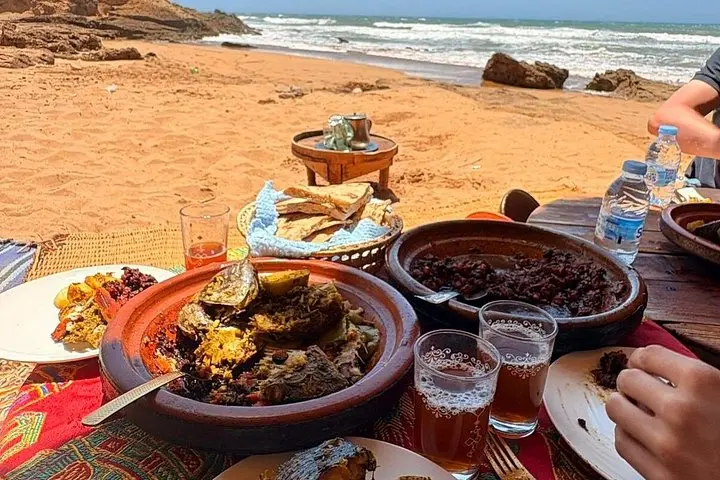
Expect moderate walking on uneven terrain (several short uphill sections and slippery rocks near the falls), hands-on fishing instruction, and a seaside lunch of fresh fish tagine or grilled catch. Bring layered clothing for sea breezes, sturdy shoes with grip, a refillable water bottle, and sun protection. The best travel window is spring and fall for cooler temperatures and calmer seas; summers are hot and windy. Be prepared to follow local guidance around tidal zones and respect private farm areas. This day combines cultural exchange with simple outdoor skills — a compact, authentic slice of Morocco that emphasizes local hospitality and low-impact tourism.
The host arranges transportation from a pre-agreed meeting point in or near Essaouira; confirm the pickup location when you book.
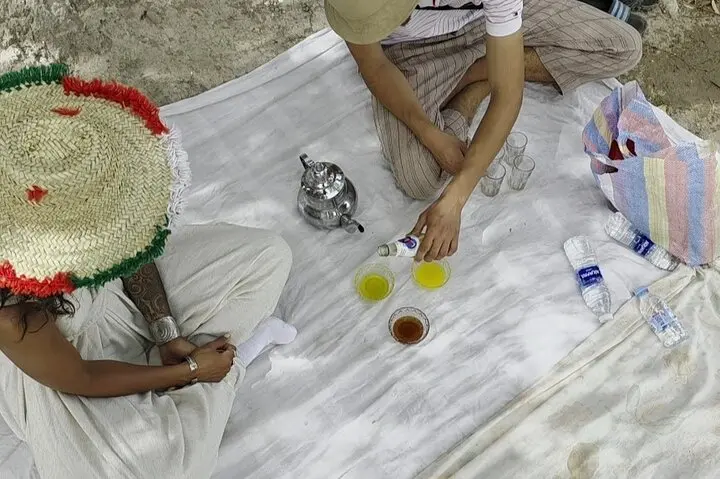
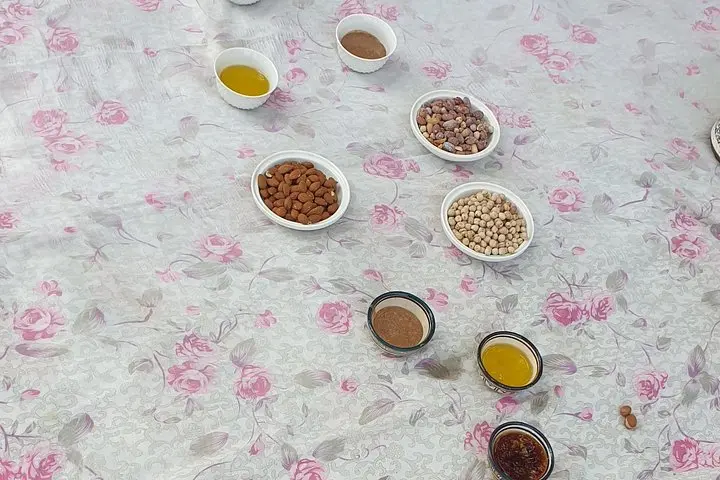
Yes — the itinerary includes a traditional Berber breakfast and a homemade lunch by the sea featuring fresh fish (tagine or grilled) plus tea or coffee.
Yes — the host demonstrates traditional, low-impact fishing methods and supervises guests; children can participate with supervision but should be steady on their feet around rocks and tides.
Bring small cash for any optional purchases or tips, and a light daypack for personal items; most necessities are provided but stores may be limited near rural meeting points.
PERLE DE SIDI M'BARK operates guided outdoor trips and adventures with an emphasis on safety, stewardship, and memorable experiences.
You arrive on a bright Atlantic morning, wind combing the water-scented air as the road from Essaouira narrows into olive groves. A local host meets you at an agreed point, and the day unfolds like a series of compact scenes: a family farm for a steaming Berber breakfast, a short hike to Sidi M’Barek’s waterfall, then sand dunes that slide into a working fishing cove where traditional lines and nets still shape the catch.
You arrive on a bright Atlantic morning, wind combing the water-scented air as the road from Essaouira narrows into olive groves. A local host meets you at an agreed point, and the day unfolds like a series of compact scenes: a family farm for a steaming Berber breakfast, a short hike to Sidi M’Barek’s waterfall, then sand dunes that slide into a working fishing cove where traditional lines and nets still shape the catch.
The region around Essaouira was long a crossroads between Berber inland communities and the Atlantic trade; the town itself — once Mogador — carries 18th-century fortifications and a living maritime culture. Geologically the area is coastal limestone and wind-swept sands, so trails are a mix of rocky farm tracks, shaded olive terraces, and loose dune sand. Locals practice small-scale farming and artisanal fishing; hosts often demonstrate hand-raised tagine cooking and communal techniques for pulling fish ashore.
Expect moderate walking on uneven terrain (several short uphill sections and slippery rocks near the falls), hands-on fishing instruction, and a seaside lunch of fresh fish tagine or grilled catch. Bring layered clothing for sea breezes, sturdy shoes with grip, a refillable water bottle, and sun protection. The best travel window is spring and fall for cooler temperatures and calmer seas; summers are hot and windy. Be prepared to follow local guidance around tidal zones and respect private farm areas. This day combines cultural exchange with simple outdoor skills — a compact, authentic slice of Morocco that emphasizes local hospitality and low-impact tourism.