THE ADVENTURE COLLECTIVE® · Independent discovery and booking for outdoor travel

Leave Marrakech for a coastal day trip to Essaouira: visit argan cooperatives, walk the ramparts of Skala, browse craftsmen in the medina, and relax on an Atlantic beach. Practical tips on timing, terrain, and what to bring help you make the most of a long but rewarding day.
Leave Marrakech for a coastal day trip to Essaouira: visit argan cooperatives, walk the ramparts of Skala, browse craftsmen in the medina, and relax on an Atlantic beach. Practical tips on timing, terrain, and what to bring help you make the most of a long but rewarding day.
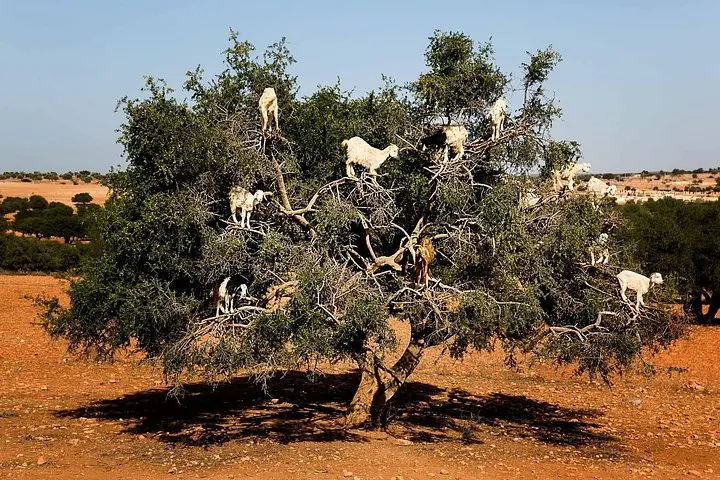
A morning departure from Marrakech unfolds across scrubbed plains and argan-dotted hills until the Atlantic air reaches you — cool, briny, and insistent. After about 160 km and roughly two hours on an air-conditioned vehicle, the low stone ramparts of Essaouira appear, their weathered walls facing the ocean like a line of old sentries.
Verified experiences and guided adventures in the surrounding area.
Operated by Morocco First Gate · Essaouira, Marrakesh-Safi
A morning departure from Marrakech unfolds across scrubbed plains and argan-dotted hills until the Atlantic air reaches you — cool, briny, and insistent. After about 160 km and roughly two hours on an air-conditioned vehicle, the low stone ramparts of Essaouira appear, their weathered walls facing the ocean like a line of old sentries.
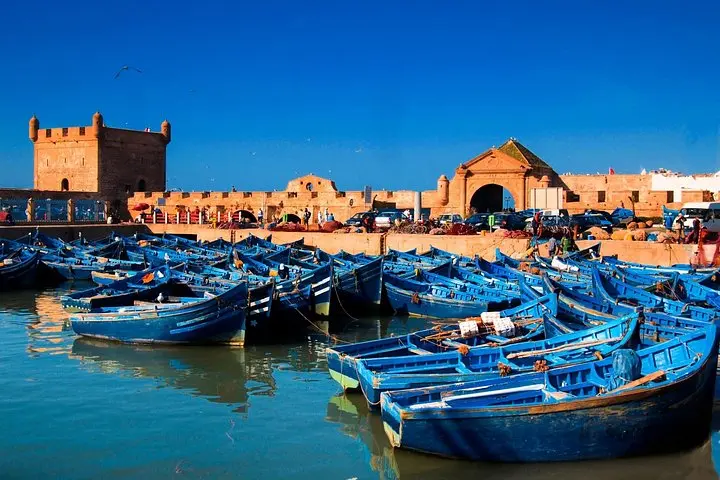
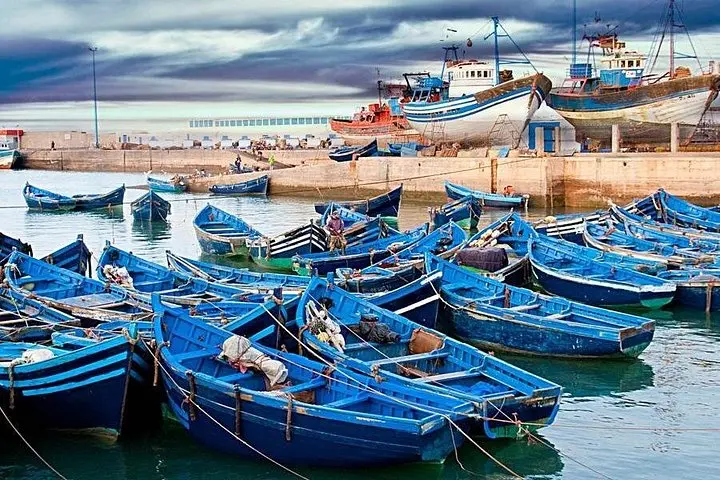
The town, once called Mogador, grew into a fortified 18th-century port with wide, straight streets laid out during French influence and a busy fishing harbor still sending nets into the surf. Geology here is simple: wind-shaped dunes meet granite outcrops and a shallow continental shelf that feeds productive fisheries. Culture is hands-on — cedar carpentry, metalwork, and the argan cooperatives where women press fruit into both culinary and cosmetic oil.
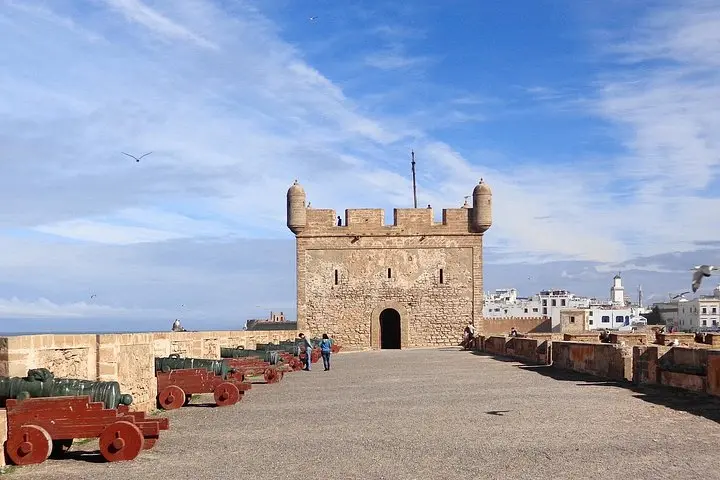
On arrival, visitors walk independently: explore the Skala bastions with their rows of bronze cannons, wander the medina’s compact souks and workshops, then stroll the long beach where Atlantic swells test local surfers and sometimes reveal small offshore dolphins.
Practical guidance: wear sturdy shoes for cobbles and windblown sand, carry cash for small craft purchases, and bring sun protection and a reusable bottle. Lunch is best at a seaside stall for fresh grilled fish. Expect a full 10–12 hour day with hotel pickup at 08:00 and return by about 18:30. The itinerary is relaxed but long; pace your walk to enjoy workshops and viewpoints without rushing.
Round-trip hotel pickup and drop-off plus air-conditioned transport are included; entrance fees and lunch are paid by the traveler.
Expect about a two-hour drive each way — roughly 160 km — depending on traffic and stops.
Many streets are cobbled and narrow; some areas are stroller-friendly, but visitors with mobility concerns should note uneven surfaces and steps. The tour notes stroller accessibility but walking is required.
Argan cooperatives often invite visitors to observe and buy products; while there may be sales, many cooperatives are cooperative-run and focused on production and community income.
Morocco First Gate operates guided outdoor trips and adventures with an emphasis on safety, stewardship, and memorable experiences.
A morning departure from Marrakech unfolds across scrubbed plains and argan-dotted hills until the Atlantic air reaches you — cool, briny, and insistent. After about 160 km and roughly two hours on an air-conditioned vehicle, the low stone ramparts of Essaouira appear, their weathered walls facing the ocean like a line of old sentries.
A morning departure from Marrakech unfolds across scrubbed plains and argan-dotted hills until the Atlantic air reaches you — cool, briny, and insistent. After about 160 km and roughly two hours on an air-conditioned vehicle, the low stone ramparts of Essaouira appear, their weathered walls facing the ocean like a line of old sentries.
The town, once called Mogador, grew into a fortified 18th-century port with wide, straight streets laid out during French influence and a busy fishing harbor still sending nets into the surf. Geology here is simple: wind-shaped dunes meet granite outcrops and a shallow continental shelf that feeds productive fisheries. Culture is hands-on — cedar carpentry, metalwork, and the argan cooperatives where women press fruit into both culinary and cosmetic oil.
On arrival, visitors walk independently: explore the Skala bastions with their rows of bronze cannons, wander the medina’s compact souks and workshops, then stroll the long beach where Atlantic swells test local surfers and sometimes reveal small offshore dolphins.
Practical guidance: wear sturdy shoes for cobbles and windblown sand, carry cash for small craft purchases, and bring sun protection and a reusable bottle. Lunch is best at a seaside stall for fresh grilled fish. Expect a full 10–12 hour day with hotel pickup at 08:00 and return by about 18:30. The itinerary is relaxed but long; pace your walk to enjoy workshops and viewpoints without rushing.