THE ADVENTURE COLLECTIVE® · Independent discovery and booking for outdoor travel

Escape Marrakech for a day on Morocco’s Atlantic coast: explore Essaouira’s UNESCO medina, watch colorful fishing boats in the harbor, and breathe in brisk ocean air. This easy day trip pairs laid-back seaside walks with cultural stops like an argan cooperative and the Skala de la Kasbah.
Escape Marrakech for a day on Morocco’s Atlantic coast: explore Essaouira’s UNESCO medina, watch colorful fishing boats in the harbor, and breathe in brisk ocean air. This easy day trip pairs laid-back seaside walks with cultural stops like an argan cooperative and the Skala de la Kasbah.
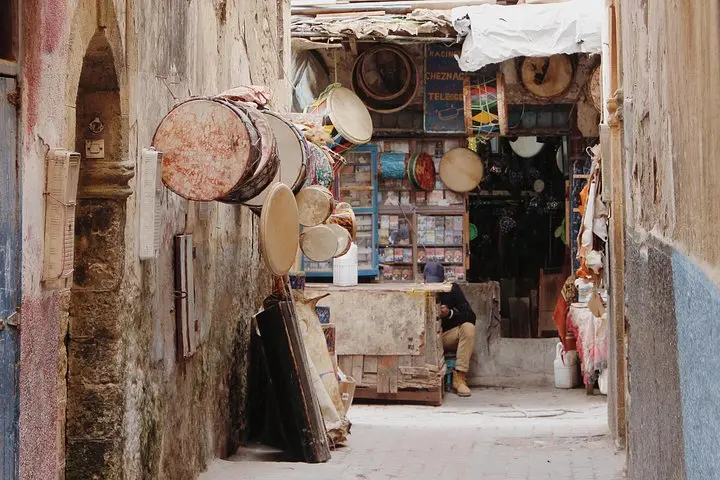
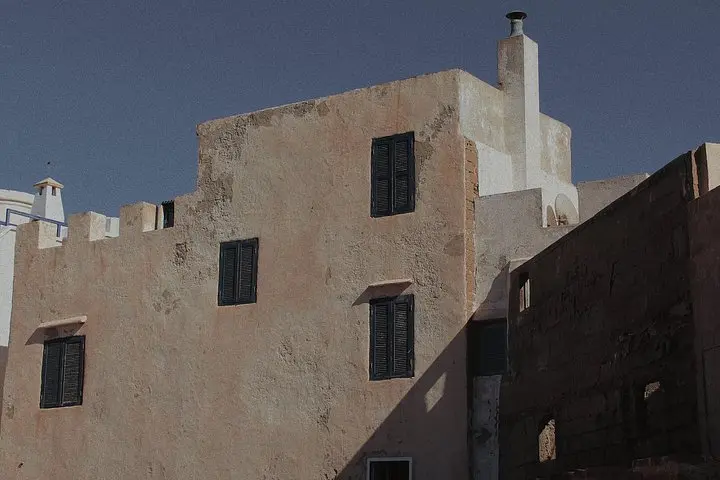
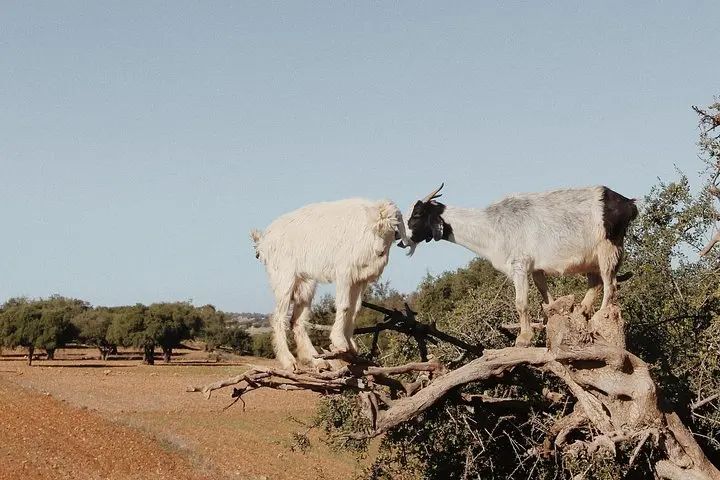
A salt wind meets the tour van as it eases out of Marrakech at dawn, argan trees flickering past like a slow-motion film. By mid-morning the Atlantic opens ahead: low white buildings, blue shutters, and the flat, wind-swept harbor dotted with wooden fishing boats. The first footsteps in Essaouira’s medina are deliberate—cobblestones, narrow streets, and gulls that seem to argue with the tide.
Verified experiences and guided adventures in the surrounding area.
Operated by Eco Morocco Travel · Essaouira, Marrakech-Safi
A salt wind meets the tour van as it eases out of Marrakech at dawn, argan trees flickering past like a slow-motion film. By mid-morning the Atlantic opens ahead: low white buildings, blue shutters, and the flat, wind-swept harbor dotted with wooden fishing boats. The first footsteps in Essaouira’s medina are deliberate—cobblestones, narrow streets, and gulls that seem to argue with the tide.
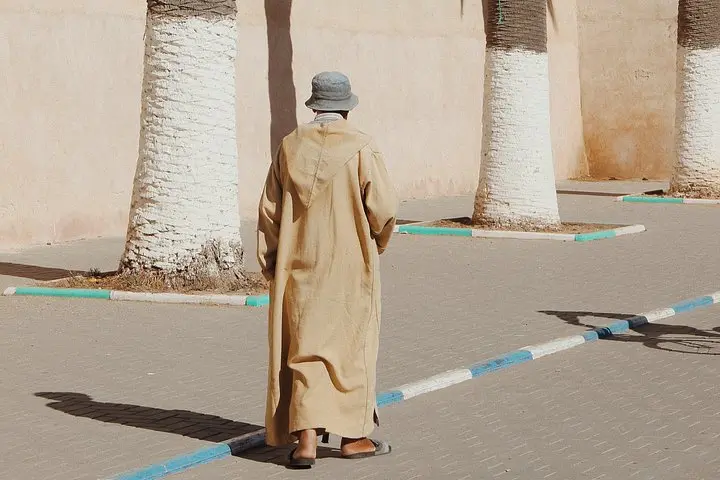
Essaouira (historically Mogador) is a port town shaped by geology and geopolitics: 18th-century ramparts built to European plans sit on ancient coastal limestone, while trade winds carved the city’s economy around fishing, salt, and maritime routes. The medina is UNESCO-listed for its intact layout and hybrid architecture; Jewish, Berber, Arab and European influences surface in the souks, cafés, and carved cedar doors.
Expect a relaxed day: a stroll through the medina, time at the port to watch the catch being unloaded, and a walk along the Skala de la Kasbah for ocean views. Food is straightforward—fresh grilled sardines or a fish tagine at a harbor café. The drive from Marrakech is roughly 2.5–3 hours each way, with a stop at an argan cooperative en route.
Practical notes: wear sturdy walking shoes for uneven medina streets, bring sun protection and a light wind layer—the Atlantic breeze can be strong even on warm days. Cash is preferred in small shops; practice basic haggling. If you want surf or deeper cultural tours, plan extra time beyond the standard day trip; traffic and seasonality can affect evening return times.
The drive typically takes 2.5–3 hours each way depending on traffic and stops; expect about 5–6 hours of round-trip driving on a day tour.
Lunch is usually not included—most itineraries provide free time to choose a seaside restaurant where you can order fresh seafood or local dishes.
Yes; many day trips stop at a cooperative where visitors can see traditional argan production and buy products directly from local women’s groups.
The medina has narrow, uneven streets and steps; full accessibility is limited—travelers with mobility concerns should check specific route details in advance.
Eco Morocco Travel operates guided outdoor trips and adventures with an emphasis on safety, stewardship, and memorable experiences.
A salt wind meets the tour van as it eases out of Marrakech at dawn, argan trees flickering past like a slow-motion film. By mid-morning the Atlantic opens ahead: low white buildings, blue shutters, and the flat, wind-swept harbor dotted with wooden fishing boats. The first footsteps in Essaouira’s medina are deliberate—cobblestones, narrow streets, and gulls that seem to argue with the tide.
A salt wind meets the tour van as it eases out of Marrakech at dawn, argan trees flickering past like a slow-motion film. By mid-morning the Atlantic opens ahead: low white buildings, blue shutters, and the flat, wind-swept harbor dotted with wooden fishing boats. The first footsteps in Essaouira’s medina are deliberate—cobblestones, narrow streets, and gulls that seem to argue with the tide.
Essaouira (historically Mogador) is a port town shaped by geology and geopolitics: 18th-century ramparts built to European plans sit on ancient coastal limestone, while trade winds carved the city’s economy around fishing, salt, and maritime routes. The medina is UNESCO-listed for its intact layout and hybrid architecture; Jewish, Berber, Arab and European influences surface in the souks, cafés, and carved cedar doors.
Expect a relaxed day: a stroll through the medina, time at the port to watch the catch being unloaded, and a walk along the Skala de la Kasbah for ocean views. Food is straightforward—fresh grilled sardines or a fish tagine at a harbor café. The drive from Marrakech is roughly 2.5–3 hours each way, with a stop at an argan cooperative en route.
Practical notes: wear sturdy walking shoes for uneven medina streets, bring sun protection and a light wind layer—the Atlantic breeze can be strong even on warm days. Cash is preferred in small shops; practice basic haggling. If you want surf or deeper cultural tours, plan extra time beyond the standard day trip; traffic and seasonality can affect evening return times.