THE ADVENTURE COLLECTIVE® · Independent discovery and booking for outdoor travel

Escape Marrakech for a day on Morocco’s Atlantic coast: explore Essaouira’s UNESCO-listed medina, climb the 18th-century ramparts for sea views, and sample fresh seafood at the working port. This eight-hour trip blends light walking, cultural stops and coastal scenery.
Escape Marrakech for a day on Morocco’s Atlantic coast: explore Essaouira’s UNESCO-listed medina, climb the 18th-century ramparts for sea views, and sample fresh seafood at the working port. This eight-hour trip blends light walking, cultural stops and coastal scenery.
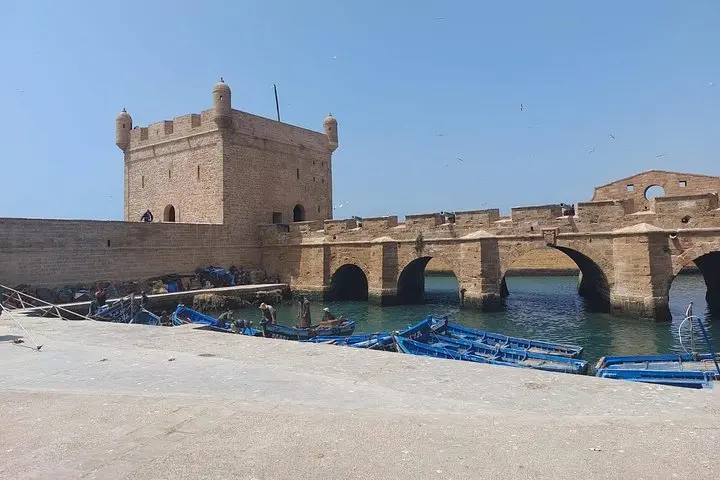
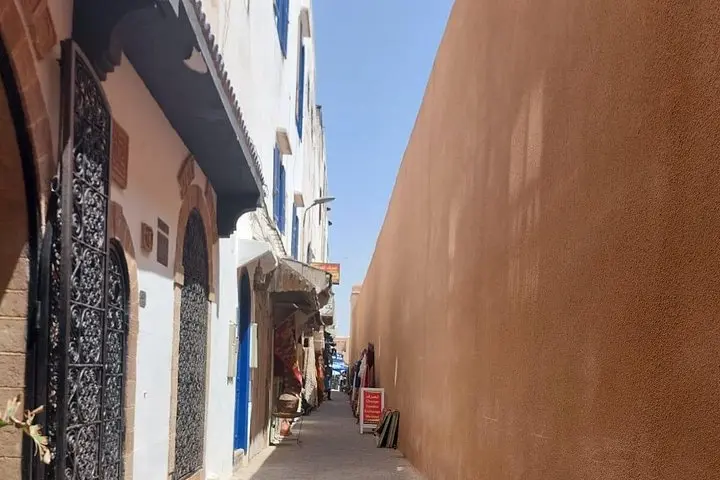
Salt wind cuts across your face as the road opens from inland plains to the Atlantic horizon, and Essaouira arrives as a compact burst of white and blue against the sea. Walk past weathered brass cannons on the Skala ramparts and hear the trade winds—called the alizée—push through the city, tugging at kite lines on the crescent beach. Narrow lanes funnel you into the medina where painters, woodworkers and fishmongers crowd alleys that end abruptly in ocean views.
Verified experiences and guided adventures in the surrounding area.
Operated by Sahara Morocco Adventure · Essaouira, Marrakesh-Safi
Salt wind cuts across your face as the road opens from inland plains to the Atlantic horizon, and Essaouira arrives as a compact burst of white and blue against the sea. Walk past weathered brass cannons on the Skala ramparts and hear the trade winds—called the alizée—push through the city, tugging at kite lines on the crescent beach. Narrow lanes funnel you into the medina where painters, woodworkers and fishmongers crowd alleys that end abruptly in ocean views.
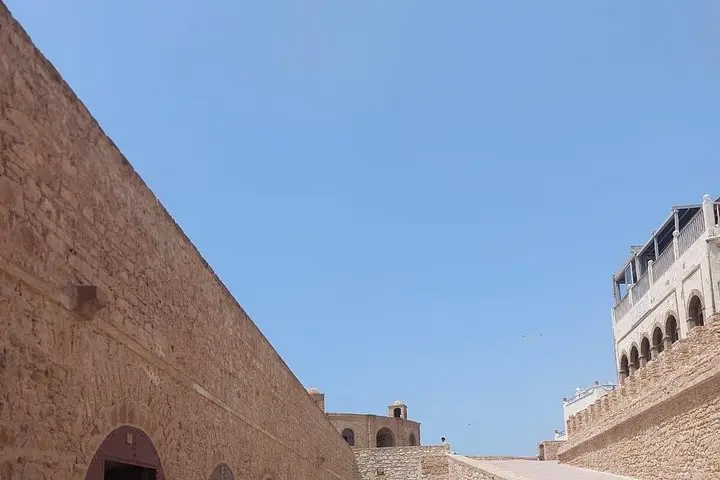
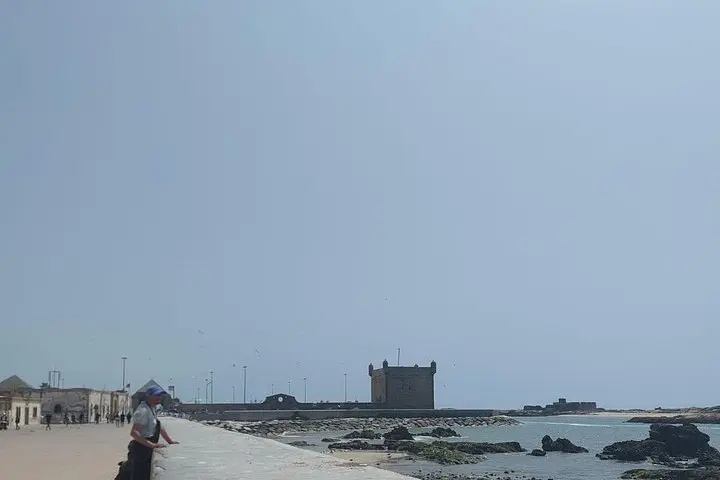
Essaouira’s layout reflects centuries of maritime trade and European military planning: 18th-century seafront ramparts were built by engineers to protect a bustling port once frequented by Portuguese and later by Moroccan sultans. Geologically the coastline is flat with sandy beaches and rocky outcrops; offshore currents support small fisheries and occasional dolphin sightings. The town’s culture is practical and artistic—galleries, Gnawa music, and argan cooperatives frame a living fishing economy—and seafood is a daily showcase rather than a tourist gimmick.
Practical guide: the tour is an eight-hour round trip from Marrakech with comfortable transport and short walking tours—expect cobbles, steps and open wind on the ramparts. Start early to beat afternoon winds if you plan beach time, carry cash for markets and small cafés, and bring layers: sun and wind protection is equally important. Allow time for the port fish market, a rooftop tea break with an ocean view, and a slow walk through artisan workshops; the route is low-effort but sensory-rich, ideal for travelers who want a concentrated coastal day outside Marrakech.
The organized day trip runs about eight hours round-trip, including transport and time in Essaouira.
The medina has narrow, uneven alleys and steps; accessibility is limited though some coastal ramparts and cafes have easier access.
Yes—Essaouira is a major wind and kite spot; lessons and rentals are available locally but typically require separate booking and time on-site.
Most day tours include transport and guided stops but not all meals—seafood at the port is usually paid on-site, so budget accordingly.
Sahara Morocco Adventure operates guided outdoor trips and adventures with an emphasis on safety, stewardship, and memorable experiences.
Salt wind cuts across your face as the road opens from inland plains to the Atlantic horizon, and Essaouira arrives as a compact burst of white and blue against the sea. Walk past weathered brass cannons on the Skala ramparts and hear the trade winds—called the alizée—push through the city, tugging at kite lines on the crescent beach. Narrow lanes funnel you into the medina where painters, woodworkers and fishmongers crowd alleys that end abruptly in ocean views.
Salt wind cuts across your face as the road opens from inland plains to the Atlantic horizon, and Essaouira arrives as a compact burst of white and blue against the sea. Walk past weathered brass cannons on the Skala ramparts and hear the trade winds—called the alizée—push through the city, tugging at kite lines on the crescent beach. Narrow lanes funnel you into the medina where painters, woodworkers and fishmongers crowd alleys that end abruptly in ocean views.
Essaouira’s layout reflects centuries of maritime trade and European military planning: 18th-century seafront ramparts were built by engineers to protect a bustling port once frequented by Portuguese and later by Moroccan sultans. Geologically the coastline is flat with sandy beaches and rocky outcrops; offshore currents support small fisheries and occasional dolphin sightings. The town’s culture is practical and artistic—galleries, Gnawa music, and argan cooperatives frame a living fishing economy—and seafood is a daily showcase rather than a tourist gimmick.
Practical guide: the tour is an eight-hour round trip from Marrakech with comfortable transport and short walking tours—expect cobbles, steps and open wind on the ramparts. Start early to beat afternoon winds if you plan beach time, carry cash for markets and small cafés, and bring layers: sun and wind protection is equally important. Allow time for the port fish market, a rooftop tea break with an ocean view, and a slow walk through artisan workshops; the route is low-effort but sensory-rich, ideal for travelers who want a concentrated coastal day outside Marrakech.