THE ADVENTURE COLLECTIVE® · Independent discovery and booking for outdoor travel

Escape Marrakech for a day to Essaouira: an Atlantic port town of windswept ramparts, argan groves, and easy medina strolls. This day trip combines scenic driving, a stop at an argan cooperative, time to explore the harbor, and panoramic coastal views.
Escape Marrakech for a day to Essaouira: an Atlantic port town of windswept ramparts, argan groves, and easy medina strolls. This day trip combines scenic driving, a stop at an argan cooperative, time to explore the harbor, and panoramic coastal views.
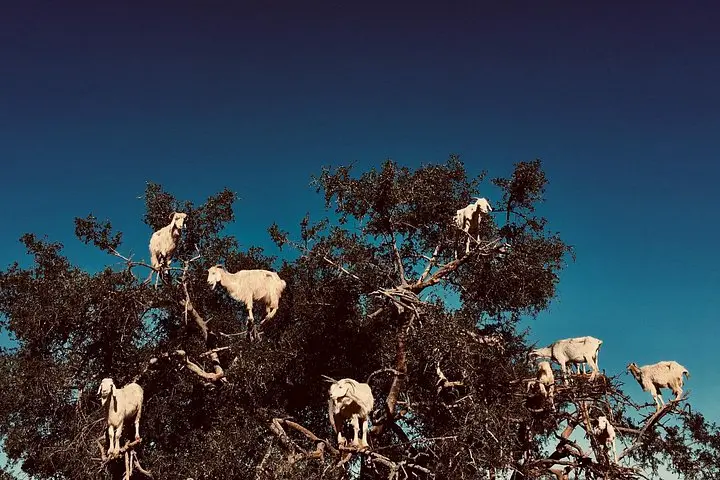
You arrive on the coast as the Atlantic wind greets you—salt on your lips, gulls sketching low over the surf, and the whitewashed ramparts of Mogador rising blunt and practical against the horizon. The drive from Marrakech unspools through argan forests where goats climb low branches like actors on a stage; the road acts as a ribbon connecting red-city bustle to the ocean's cooler tempo.
Verified experiences and guided adventures in the surrounding area.
Operated by Morocco Excursion Tours · Essaouira, Marrakesh-Safi
You arrive on the coast as the Atlantic wind greets you—salt on your lips, gulls sketching low over the surf, and the whitewashed ramparts of Mogador rising blunt and practical against the horizon. The drive from Marrakech unspools through argan forests where goats climb low branches like actors on a stage; the road acts as a ribbon connecting red-city bustle to the ocean's cooler tempo.
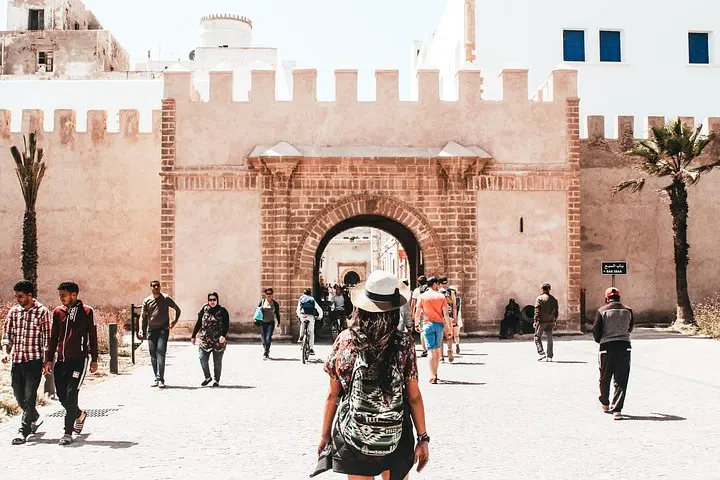
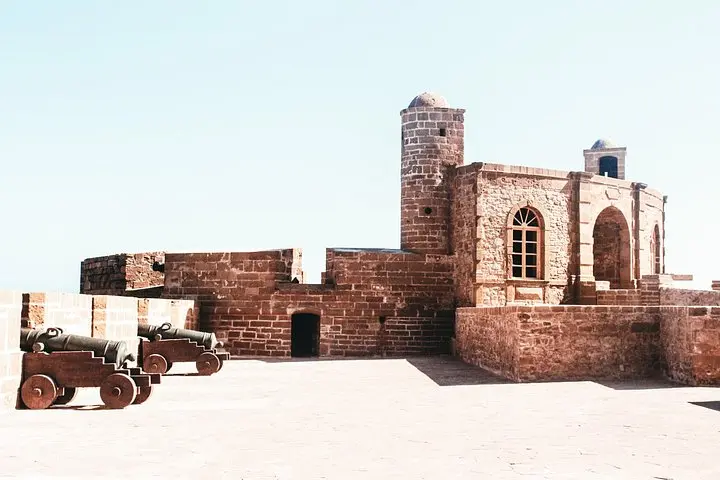
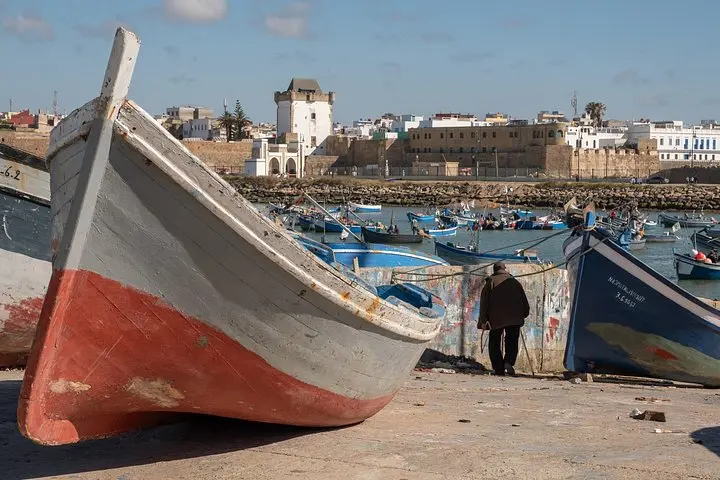
Essaouira’s medina is a compact warren of blue-and-white facades, 18th-century Portuguese ramparts, and a working fishing port where cedar boats jostle and fishmongers call. Geologically, the coastline is composed of sand and soft talus, shaped by persistent winds that have made the city one of Morocco’s most reliable kitesurfing venues. Culturally, Essaouira blends Berber, Jewish, and European trading legacies—the fortified port was long a node on Atlantic trade routes, and local argan cooperatives reflect centuries of regional resource use.
On a typical day trip you’ll stop for a short argan cooperative visit, stroll the medina’s tidy lanes, watch the harbor, and stand on the ramparts to read the map of wind and water. Expect several miles of easy walking on cobbles and sand, intermittent café breaks, and long coastal views.
Practical guidance: travel light but bring layered wind protection, sun protection, and good shoes for uneven surfaces. The pace suits most fitness levels; plan departures early to beat traffic and late-afternoon return to Marrakech. Carry cash for crafts and small food stalls, and respect the working port—photograph with care. Essaouira rewards patience: the wind will keep moving, and the town keeps its quiet, weathered charm.
The drive takes about 2.5–3 hours each way depending on traffic; expect a full 8–10 hour day including stops.
Yes—most itineraries include several hours of independent exploration of the medina, harbor, and ramparts.
Yes—this is rated easy and suitable for most ages; the main considerations are vehicle time and walking on uneven surfaces.
Yes—visits to cooperatives usually include demonstrations and shopping opportunities; bring cash for small purchases.
Morocco Excursion Tours operates guided outdoor trips and adventures with an emphasis on safety, stewardship, and memorable experiences.
You arrive on the coast as the Atlantic wind greets you—salt on your lips, gulls sketching low over the surf, and the whitewashed ramparts of Mogador rising blunt and practical against the horizon. The drive from Marrakech unspools through argan forests where goats climb low branches like actors on a stage; the road acts as a ribbon connecting red-city bustle to the ocean's cooler tempo.
You arrive on the coast as the Atlantic wind greets you—salt on your lips, gulls sketching low over the surf, and the whitewashed ramparts of Mogador rising blunt and practical against the horizon. The drive from Marrakech unspools through argan forests where goats climb low branches like actors on a stage; the road acts as a ribbon connecting red-city bustle to the ocean's cooler tempo.
Essaouira’s medina is a compact warren of blue-and-white facades, 18th-century Portuguese ramparts, and a working fishing port where cedar boats jostle and fishmongers call. Geologically, the coastline is composed of sand and soft talus, shaped by persistent winds that have made the city one of Morocco’s most reliable kitesurfing venues. Culturally, Essaouira blends Berber, Jewish, and European trading legacies—the fortified port was long a node on Atlantic trade routes, and local argan cooperatives reflect centuries of regional resource use.
On a typical day trip you’ll stop for a short argan cooperative visit, stroll the medina’s tidy lanes, watch the harbor, and stand on the ramparts to read the map of wind and water. Expect several miles of easy walking on cobbles and sand, intermittent café breaks, and long coastal views.
Practical guidance: travel light but bring layered wind protection, sun protection, and good shoes for uneven surfaces. The pace suits most fitness levels; plan departures early to beat traffic and late-afternoon return to Marrakech. Carry cash for crafts and small food stalls, and respect the working port—photograph with care. Essaouira rewards patience: the wind will keep moving, and the town keeps its quiet, weathered charm.