THE ADVENTURE COLLECTIVE® · Independent discovery and booking for outdoor travel

Escape Marrakech for a full day to Essaouira’s windswept harbor and UNESCO-listed medina. This shared tour combines guided orientation with hours of independent wandering through workshops, waterfront cafés, and cobbled ramparts.
Escape Marrakech for a full day to Essaouira’s windswept harbor and UNESCO-listed medina. This shared tour combines guided orientation with hours of independent wandering through workshops, waterfront cafés, and cobbled ramparts.
You step out of the minivan into a wind that immediately rearranges your hair and thoughts—the Atlantic pushing inland with a cold, salt-sweet edge. The city spreads before you: whitewashed ramparts, fishing boats with chipped paint, and the medina’s low stone houses clustered like an old deck of cards waiting to be fanned.
Verified experiences and guided adventures in the surrounding area.
Operated by Palacio da Bahia · Essaouira, Marrakesh-Safi
You step out of the minivan into a wind that immediately rearranges your hair and thoughts—the Atlantic pushing inland with a cold, salt-sweet edge. The city spreads before you: whitewashed ramparts, fishing boats with chipped paint, and the medina’s low stone houses clustered like an old deck of cards waiting to be fanned.
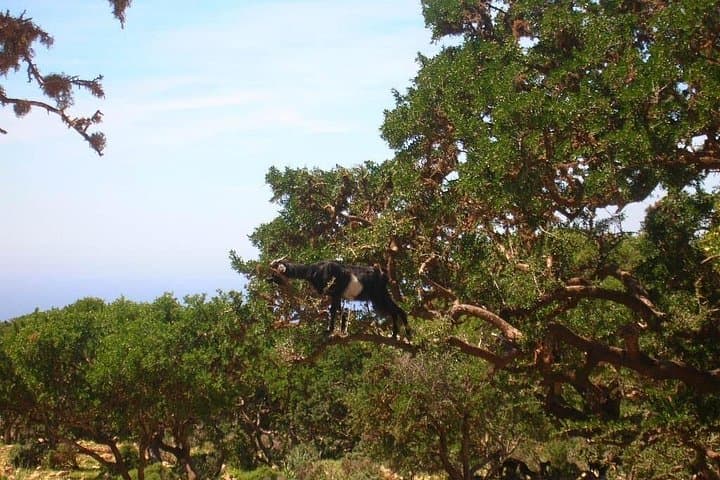
Essaouira grew as a fortified port in the 16th century under Portuguese rule; its straight, wind-swept streets and broad harbor reflect that mercantile past and the region’s exposed geology of soft sandstone and coastal dunes. The medina is a UNESCO World Heritage Site for its intact seafront fortifications and historic artisan quarter; nearby, argan trees anchor a landscape shaped by wind and surf.
Culture here favors relaxed trade: woodworkers, spice sellers, and open-air cafés where seafood arrives still warm from the market. Gulls and the occasional dolphin animate the bay; local music—gnawa rhythms—can drift down alleys in the afternoon breeze.
Practical guidance: the shared tour typically leaves Marrakech early and returns the same evening (expect 8–10 hour round trip). Bring layers—the wind can make warm days feel cool—and comfortable shoes for cobbled lanes. There’s an hour group orientation from the guide, then independent time to explore the ramparts, souks, and waterfront. Plan for cash purchases at small stalls, keep valuables secure in the medina, and allow time for the ferry of scents from fish markets and bakeries. If you want quieter lanes, aim to wander mid-afternoon after the main tour groups depart.
The shared minivan ride is about 2.5 to 3 hours each way depending on traffic and rest stops.
Yes—after a guided hour, the tour provides several hours of independent time in the medina and on the waterfront.
Meals are not included; the guide can recommend fish restaurants and cafés but expect to pay on-site.
The tour notes wheelchair-accessible vehicles and areas, but cobbled streets and some sites have uneven surfaces—check specifics with the operator ahead of booking.
Palacio da Bahia operates guided outdoor trips and adventures with an emphasis on safety, stewardship, and memorable experiences.

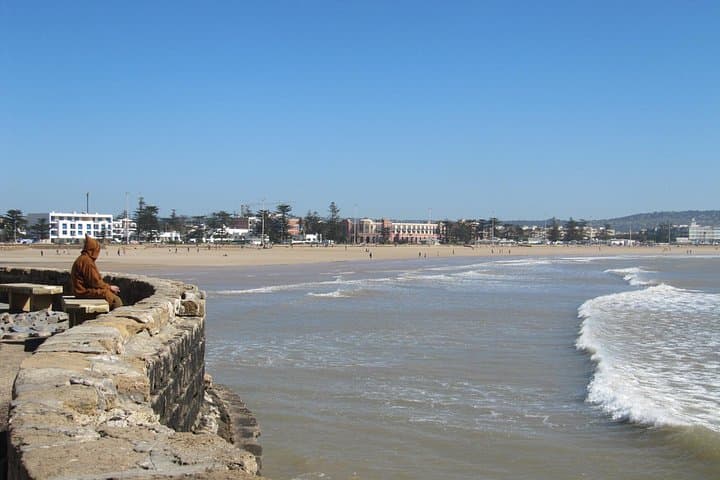
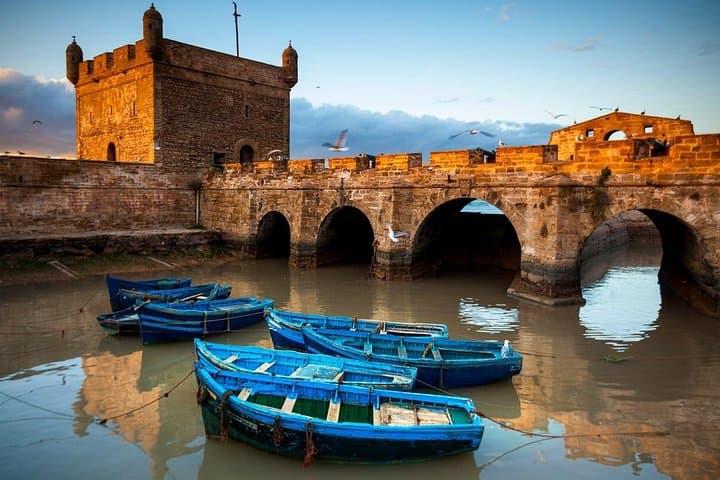
You step out of the minivan into a wind that immediately rearranges your hair and thoughts—the Atlantic pushing inland with a cold, salt-sweet edge. The city spreads before you: whitewashed ramparts, fishing boats with chipped paint, and the medina’s low stone houses clustered like an old deck of cards waiting to be fanned.
You step out of the minivan into a wind that immediately rearranges your hair and thoughts—the Atlantic pushing inland with a cold, salt-sweet edge. The city spreads before you: whitewashed ramparts, fishing boats with chipped paint, and the medina’s low stone houses clustered like an old deck of cards waiting to be fanned.
Essaouira grew as a fortified port in the 16th century under Portuguese rule; its straight, wind-swept streets and broad harbor reflect that mercantile past and the region’s exposed geology of soft sandstone and coastal dunes. The medina is a UNESCO World Heritage Site for its intact seafront fortifications and historic artisan quarter; nearby, argan trees anchor a landscape shaped by wind and surf.
Culture here favors relaxed trade: woodworkers, spice sellers, and open-air cafés where seafood arrives still warm from the market. Gulls and the occasional dolphin animate the bay; local music—gnawa rhythms—can drift down alleys in the afternoon breeze.
Practical guidance: the shared tour typically leaves Marrakech early and returns the same evening (expect 8–10 hour round trip). Bring layers—the wind can make warm days feel cool—and comfortable shoes for cobbled lanes. There’s an hour group orientation from the guide, then independent time to explore the ramparts, souks, and waterfront. Plan for cash purchases at small stalls, keep valuables secure in the medina, and allow time for the ferry of scents from fish markets and bakeries. If you want quieter lanes, aim to wander mid-afternoon after the main tour groups depart.