THE ADVENTURE COLLECTIVE® · Independent discovery and booking for outdoor travel

Spend a day on Morocco’s Atlantic coast exploring Essaouira’s UNESCO medina, windy beaches, and bustling port markets. This practical guide prepares you for the sights, history, and what to bring for a comfortable, full‑day outing from Marrakech.
Spend a day on Morocco’s Atlantic coast exploring Essaouira’s UNESCO medina, windy beaches, and bustling port markets. This practical guide prepares you for the sights, history, and what to bring for a comfortable, full‑day outing from Marrakech.
Wind off the Atlantic cuts across the ramparts and into the narrow streets of Essaouira, where gulls wheel above fishermen hauling nets and the sea seems to push the town toward the horizon. A day here begins with a coastal pulse—salt on the air, wood smoke from grills, and the steady clack of cart wheels in the medina.
Verified experiences and guided adventures in the surrounding area.
Operated by Marrakech City Life · Essaouira, Marrakech-Safi
Wind off the Atlantic cuts across the ramparts and into the narrow streets of Essaouira, where gulls wheel above fishermen hauling nets and the sea seems to push the town toward the horizon. A day here begins with a coastal pulse—salt on the air, wood smoke from grills, and the steady clack of cart wheels in the medina.
Once called Mogador, Essaouira’s stone walls date to Portuguese 16th‑century fortifications and the medina’s layout still shows that European military geometry overlaid with Moroccan craft markets and riads. The coastline is a stretch of sandy beaches and low cliffs carved from coastal sandstone; offshore currents attract seabirds and, on calmer days, pods of dolphins.
Culturally, Essaouira blends Arab, Berber, and European influences: wind‑scarred cedar doors, brass metalwork, and Argan cooperatives supplying local markets. The port’s daily fish auction and the Gwiyane (skala) battery offer sharp, immediate glimpses of local life.
Practical guidance: expect 10–11 hours door‑to‑door for this shared minivan trip from Marrakech. Wear comfortable, grippy shoes for cobblestones, bring a windbreaker—the Atlantic can be cool and gusty even in summer—and carry cash for small vendors and seafood stalls. If you want quieter photos, aim for early afternoon when tour groups thin out.
The trip is low‑impact but respectful behavior matters: keep a safe distance from fishermen and leave shells and archaeological fragments in place. With basic planning—water, sun protection, sensible footwear—you’ll return to Marrakech with a sharper sense of Morocco’s maritime edge and a belly full of fresh grilled fish.
Expect about 2.5–3 hours each way by air‑conditioned minivan, depending on traffic and stops.
Yes; the itinerary typically includes a 60–90 minute lunch window at local seafood restaurants near the port or medina.
Water‑sports operators are available in Essaouira, but this day tour usually doesn’t include lessons—book separately if you want instruction.
The medina has narrow, uneven alleys; while possible with a stroller, a baby carrier is more practical for most sections.
Marrakech City Life operates guided outdoor trips and adventures with an emphasis on safety, stewardship, and memorable experiences.


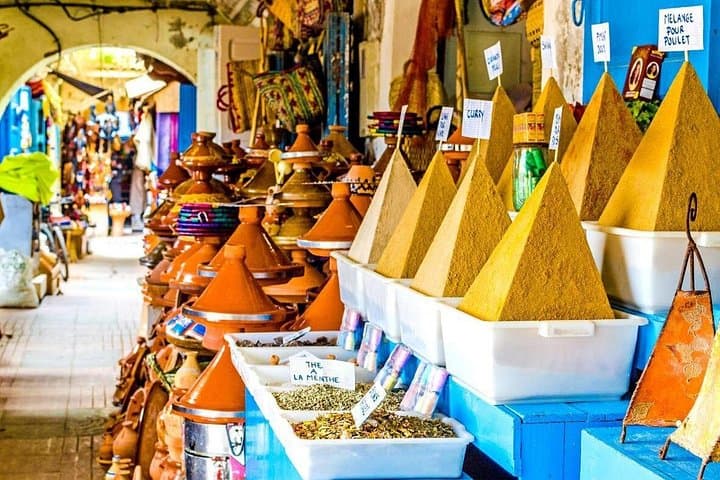
Wind off the Atlantic cuts across the ramparts and into the narrow streets of Essaouira, where gulls wheel above fishermen hauling nets and the sea seems to push the town toward the horizon. A day here begins with a coastal pulse—salt on the air, wood smoke from grills, and the steady clack of cart wheels in the medina.
Wind off the Atlantic cuts across the ramparts and into the narrow streets of Essaouira, where gulls wheel above fishermen hauling nets and the sea seems to push the town toward the horizon. A day here begins with a coastal pulse—salt on the air, wood smoke from grills, and the steady clack of cart wheels in the medina.
Once called Mogador, Essaouira’s stone walls date to Portuguese 16th‑century fortifications and the medina’s layout still shows that European military geometry overlaid with Moroccan craft markets and riads. The coastline is a stretch of sandy beaches and low cliffs carved from coastal sandstone; offshore currents attract seabirds and, on calmer days, pods of dolphins.
Culturally, Essaouira blends Arab, Berber, and European influences: wind‑scarred cedar doors, brass metalwork, and Argan cooperatives supplying local markets. The port’s daily fish auction and the Gwiyane (skala) battery offer sharp, immediate glimpses of local life.
Practical guidance: expect 10–11 hours door‑to‑door for this shared minivan trip from Marrakech. Wear comfortable, grippy shoes for cobblestones, bring a windbreaker—the Atlantic can be cool and gusty even in summer—and carry cash for small vendors and seafood stalls. If you want quieter photos, aim for early afternoon when tour groups thin out.
The trip is low‑impact but respectful behavior matters: keep a safe distance from fishermen and leave shells and archaeological fragments in place. With basic planning—water, sun protection, sensible footwear—you’ll return to Marrakech with a sharper sense of Morocco’s maritime edge and a belly full of fresh grilled fish.