THE ADVENTURE COLLECTIVE® · Independent discovery and booking for outdoor travel

Spend a full day trading Marrakech’s ochre heat for Essaouira’s Atlantic wind: fortified ramparts, seafood by the port, artisan cooperatives and the quirky sight of argan goats in the trees. This small-group tour fits cultural walking, local workshops and panoramic views into a long but manageable day.
Spend a full day trading Marrakech’s ochre heat for Essaouira’s Atlantic wind: fortified ramparts, seafood by the port, artisan cooperatives and the quirky sight of argan goats in the trees. This small-group tour fits cultural walking, local workshops and panoramic views into a long but manageable day.
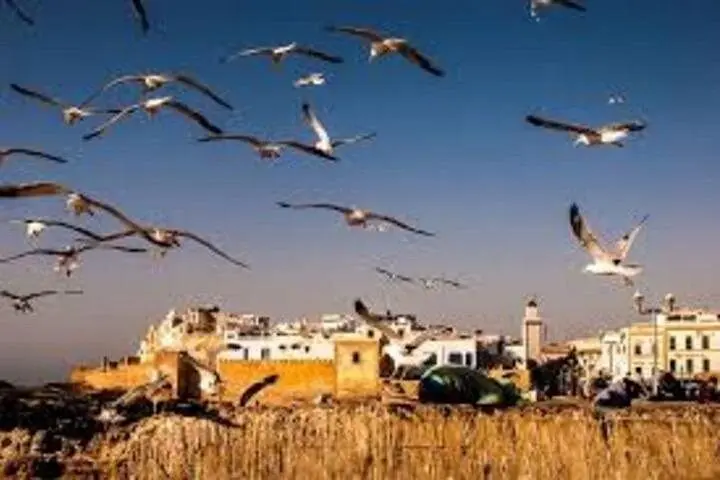
You arrive before the town loosens itself into sea-salt wind and gull calls — the road from Marrakech eases you across olive plains and low argan-clad hills until the Atlantic appears like a cool promise.
Verified experiences and guided adventures in the surrounding area.
Operated by BARBIL TOURS · Essaouira, Marrakesh-Safi
You arrive before the town loosens itself into sea-salt wind and gull calls — the road from Marrakech eases you across olive plains and low argan-clad hills until the Atlantic appears like a cool promise.
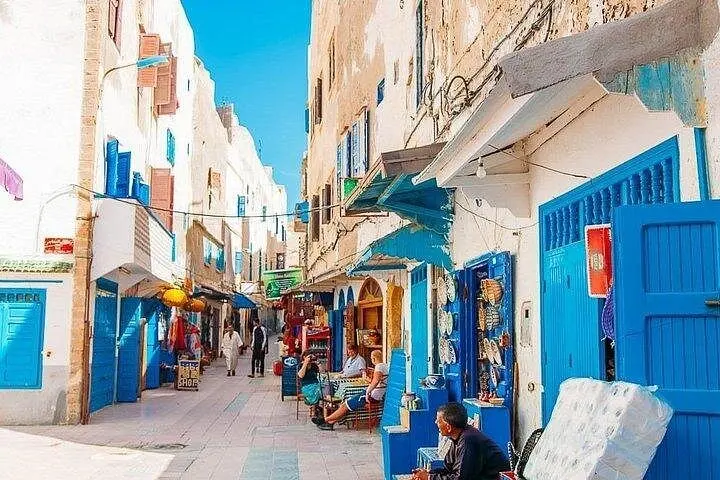
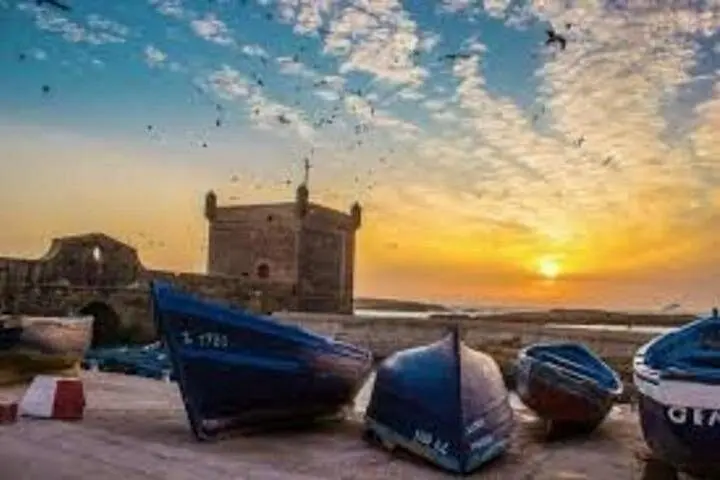
Essaouira (formerly Mogador) opens as a working port and fortified medina: broad ramparts and the Skala seafront give you direct, noisy contact with nets, fishing boats and wind. The town’s 18th-century walls, laid out under Sultan Mohammed ben Abdallah with European influence, frame narrow souks where carpenters, metalworkers and textile makers still practice long-lived crafts.
Geologically the coast is flat and sandy; walking is low-elevation and primarily on cobbles, paved streets and beach sand. Expect a 2.5–3 hour highway drive each way, with roughly 3–4 hours on foot in town including a harbor walk, medina lanes, and a seaside lunch.
Cultural highlights include visits to argan cooperatives (women-led, producing oil and cosmetics), the unusual spectacle of goats in argan trees nearby, and the Skala fortress overlooking crashing surf. The medina is UNESCO-listed and carries Gnawa music and maritime history in its alleys.
Practical guidance: bring sturdy walking shoes for cobbles, sun protection for exposed ramparts and beaches, and a refillable bottle — bottled water is provided but carrying your own reduces plastic. Plan for a long day: comfortable clothing, a light layer for coastal wind, and modest dress for local markets. If you want photography of argan goats or the harbor, aim for early or late light; the group schedule typically includes a guided city tour, lunch by the ocean, free beach time and return transport to Marrakech.
The transfer is about 2.5–3 hours each way depending on traffic and stops, so expect roughly 5–6 hours of driving total for the round trip.
Yes—routes are low-elevation and gentle; however, the long vehicle time and cobbled streets mean you should consider mobility limitations and bring a stroller if needed.
The itinerary typically includes a seafood lunch recommendation by the harbor; some cooperative visits have admissions included while other sites are free—confirm specific inclusions with the operator.
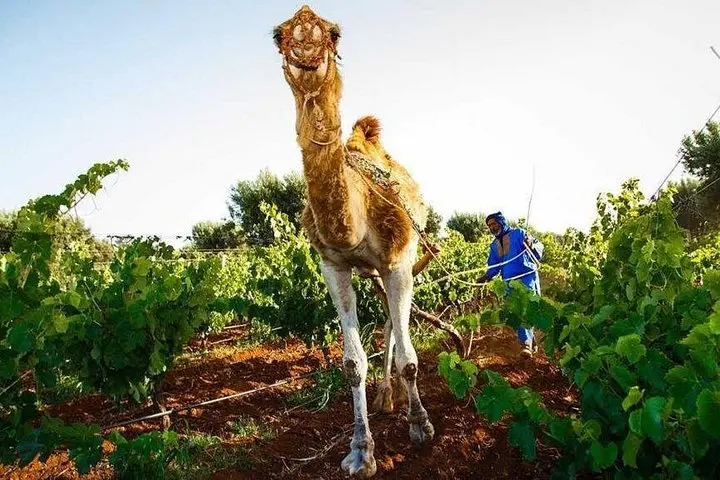
Yes—stops at argan groves and a women’s argan cooperative are common; sightings of goats in trees are frequent but not guaranteed.
BARBIL TOURS operates guided outdoor trips and adventures with an emphasis on safety, stewardship, and memorable experiences.
You arrive before the town loosens itself into sea-salt wind and gull calls — the road from Marrakech eases you across olive plains and low argan-clad hills until the Atlantic appears like a cool promise.
You arrive before the town loosens itself into sea-salt wind and gull calls — the road from Marrakech eases you across olive plains and low argan-clad hills until the Atlantic appears like a cool promise.
Essaouira (formerly Mogador) opens as a working port and fortified medina: broad ramparts and the Skala seafront give you direct, noisy contact with nets, fishing boats and wind. The town’s 18th-century walls, laid out under Sultan Mohammed ben Abdallah with European influence, frame narrow souks where carpenters, metalworkers and textile makers still practice long-lived crafts.
Geologically the coast is flat and sandy; walking is low-elevation and primarily on cobbles, paved streets and beach sand. Expect a 2.5–3 hour highway drive each way, with roughly 3–4 hours on foot in town including a harbor walk, medina lanes, and a seaside lunch.
Cultural highlights include visits to argan cooperatives (women-led, producing oil and cosmetics), the unusual spectacle of goats in argan trees nearby, and the Skala fortress overlooking crashing surf. The medina is UNESCO-listed and carries Gnawa music and maritime history in its alleys.
Practical guidance: bring sturdy walking shoes for cobbles, sun protection for exposed ramparts and beaches, and a refillable bottle — bottled water is provided but carrying your own reduces plastic. Plan for a long day: comfortable clothing, a light layer for coastal wind, and modest dress for local markets. If you want photography of argan goats or the harbor, aim for early or late light; the group schedule typically includes a guided city tour, lunch by the ocean, free beach time and return transport to Marrakech.