THE ADVENTURE COLLECTIVE® · Independent discovery and booking for outdoor travel

Swap Marrakech’s dry heat for Atlantic breezes on a full-day trip to Essaouira. Explore UNESCO-listed ramparts, meet argan co-op artisans, stroll the souks and spend free time on the windswept beach.
Swap Marrakech’s dry heat for Atlantic breezes on a full-day trip to Essaouira. Explore UNESCO-listed ramparts, meet argan co-op artisans, stroll the souks and spend free time on the windswept beach.
By midmorning the Atlantic wind has already given Essaouira a voice — a steady, salt-laced push that lifts kites and teases laundry lines along the white-and-blue alleys. Visitors arriving from Marrakech trade ochre city heat for cooler coastal air and a coastline where 18th-century ramparts hold back the sea and time.
Verified experiences and guided adventures in the surrounding area.
Operated by MarrakechAttraction.com · Essaouira, Marrakech-Safi
By midmorning the Atlantic wind has already given Essaouira a voice — a steady, salt-laced push that lifts kites and teases laundry lines along the white-and-blue alleys. Visitors arriving from Marrakech trade ochre city heat for cooler coastal air and a coastline where 18th-century ramparts hold back the sea and time.
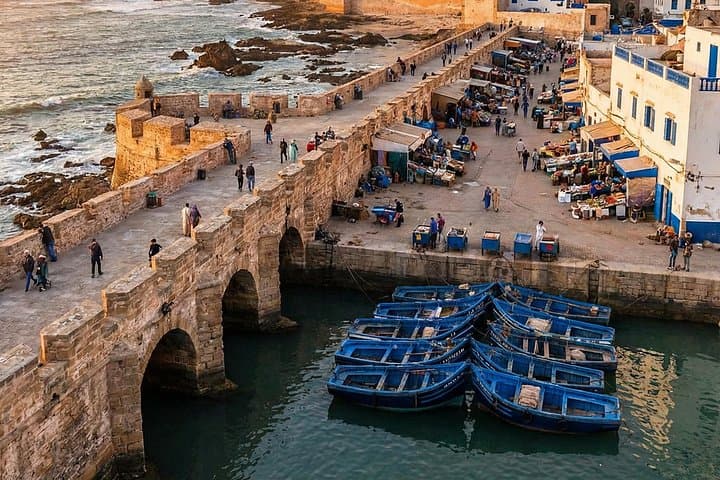
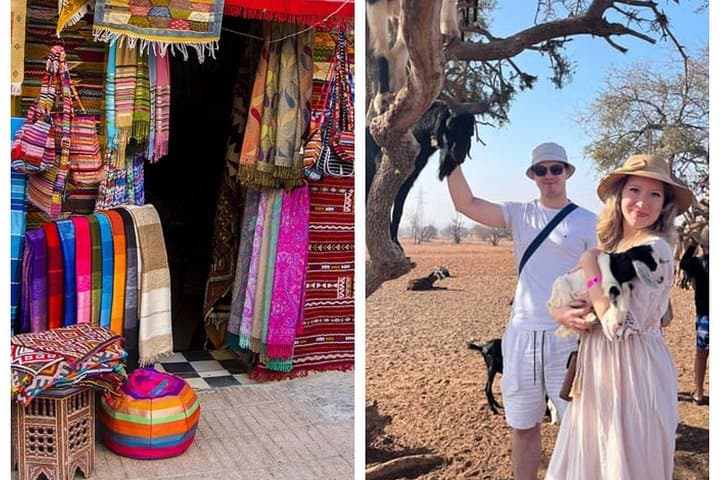
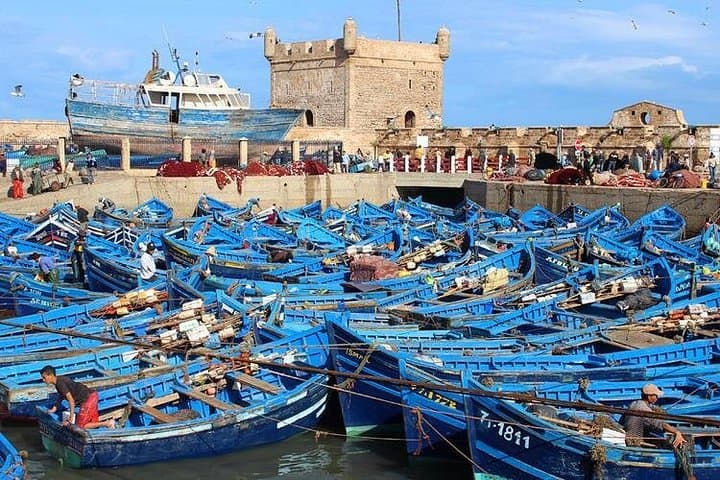
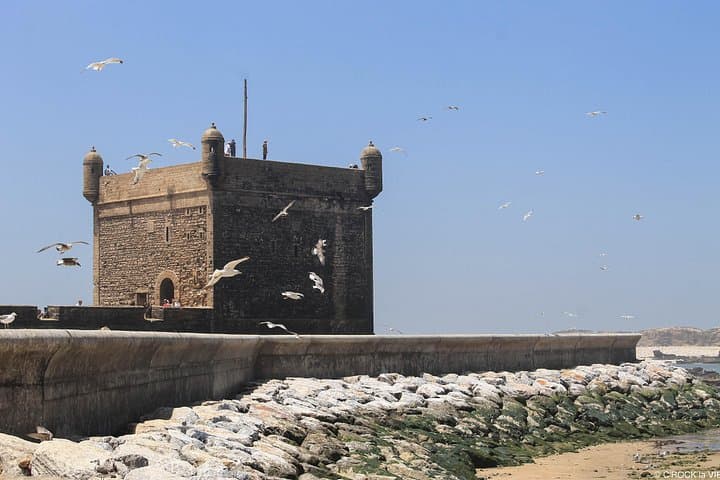
Essaouira (formerly Mogador) grew as a fortified port where European military design met Berber and Arab trading culture; Théodore Cornut’s stone ramparts and the bronze cannons at Skala de la Ville still stare down crashing waves. Geologically the coast is Atlantic shelf and wind-sculpted sand, with broad beaches that invite long walks and consistent wind that makes the bay a global kitesurfing magnet. Culturally, the medina’s souks and artisan workshops showcase the argan economy — hand-pressed oil from trees that cling to the rocky hills, tended largely by women’s cooperatives that shape local livelihoods.
On a day trip expect roughly 2.5–3 hours each way by air-conditioned vehicle, guided stops at an argan cooperative, 3–4 hours free time to explore the ramparts, souks and beach, and return to Marrakech by early evening. Practical notes: wear layered windproof clothing, comfortable shoes for cobbled alleys, and bring cash for small purchases. Time your visit for late afternoon light on the ramparts or early morning quiet in the souk to avoid the busiest hours.
Essaouira delivers a compact coastal contrast to Marrakech — heritage, hands-on craft demonstrations, and wind that keeps the town moving.
Expect about 2.5–3 hours each way depending on traffic and stops along the route.
Yes — most day trips include several hours of free time to visit the medina, ramparts, port and beach independently.
Many cooperatives are authentic and run by local women; look for demonstrations of hand-pressing and ask about sourcing to verify quality.
The tour notes wheelchair accessibility for transport, but medina alleys and ramparts have cobbles and steps that can limit mobility once in town.
MarrakechAttraction.com operates guided outdoor trips and adventures with an emphasis on safety, stewardship, and memorable experiences.
By midmorning the Atlantic wind has already given Essaouira a voice — a steady, salt-laced push that lifts kites and teases laundry lines along the white-and-blue alleys. Visitors arriving from Marrakech trade ochre city heat for cooler coastal air and a coastline where 18th-century ramparts hold back the sea and time.
By midmorning the Atlantic wind has already given Essaouira a voice — a steady, salt-laced push that lifts kites and teases laundry lines along the white-and-blue alleys. Visitors arriving from Marrakech trade ochre city heat for cooler coastal air and a coastline where 18th-century ramparts hold back the sea and time.
Essaouira (formerly Mogador) grew as a fortified port where European military design met Berber and Arab trading culture; Théodore Cornut’s stone ramparts and the bronze cannons at Skala de la Ville still stare down crashing waves. Geologically the coast is Atlantic shelf and wind-sculpted sand, with broad beaches that invite long walks and consistent wind that makes the bay a global kitesurfing magnet. Culturally, the medina’s souks and artisan workshops showcase the argan economy — hand-pressed oil from trees that cling to the rocky hills, tended largely by women’s cooperatives that shape local livelihoods.
On a day trip expect roughly 2.5–3 hours each way by air-conditioned vehicle, guided stops at an argan cooperative, 3–4 hours free time to explore the ramparts, souks and beach, and return to Marrakech by early evening. Practical notes: wear layered windproof clothing, comfortable shoes for cobbled alleys, and bring cash for small purchases. Time your visit for late afternoon light on the ramparts or early morning quiet in the souk to avoid the busiest hours.
Essaouira delivers a compact coastal contrast to Marrakech — heritage, hands-on craft demonstrations, and wind that keeps the town moving.