THE ADVENTURE COLLECTIVE® · Independent discovery and booking for outdoor travel

A full-day small-group tour from Marrakech to Essaouira delivers a compact, wind-toughened taste of Morocco’s Atlantic coast: fortified ramparts, a bustling fish port, and an argan cooperative visit. Expect a long but manageable day with time to explore the medina and shoreline.
A full-day small-group tour from Marrakech to Essaouira delivers a compact, wind-toughened taste of Morocco’s Atlantic coast: fortified ramparts, a bustling fish port, and an argan cooperative visit. Expect a long but manageable day with time to explore the medina and shoreline.
You arrive with the ocean first: a sudden sweep of salt and wind as the road opens and the blue Atlantic pushes at Essaouira’s low stone ramparts. Seagulls carve the air over a busy port where fishermen haul nets and bronze cannons keep an old watch. The medina’s straight, sun-baked streets steer you through stalls of cedar carvings, metalwork and spice-scented alleys, while the shore offers a wide, wind-scoured beach favored by kitesurfers.
Verified experiences and guided adventures in the surrounding area.
Operated by Beautiful road in morocco · Essaouira, Marrakesh-Safi
You arrive with the ocean first: a sudden sweep of salt and wind as the road opens and the blue Atlantic pushes at Essaouira’s low stone ramparts. Seagulls carve the air over a busy port where fishermen haul nets and bronze cannons keep an old watch. The medina’s straight, sun-baked streets steer you through stalls of cedar carvings, metalwork and spice-scented alleys, while the shore offers a wide, wind-scoured beach favored by kitesurfers.
Essaouira — historically Mogador — developed as a fortified Atlantic port in the 16th–18th centuries, its ramparts shaped by European military engineers working for Moroccan sultans. Geologically the coast is a mix of sand and low rocky headlands; argan trees cling to the surrounding hills, producing oil that supports women’s cooperatives. Culturally the town is a crossroads: Gnawa music, Jewish heritage, and craft traditions remain visible in markets, workshops, and the compact museum quarter.
On a full-day tour from Marrakech expect roughly 2.5–3 hours each way by air-conditioned vehicle, with stops at an argan cooperative, the fish market, the Skala ramparts, and free time for lunch and shopping. Practical notes: bring cash for small purchases, a windlayer for the coast, comfortable shoes for cobbled streets, and sun protection. If you want quieter scenes, aim for earlier arrivals or sit on the ramparts at the harbor’s edge as kitesurfers ride the afternoon gusts. The itinerary gives a concise snapshot of Essaouira — a coastal city where wind and trade shaped both landscape and culture.
Expect roughly 2.5–3 hours each way by air-conditioned vehicle depending on traffic and stops along the route.
Yes; the tour typically includes several hours of free time to walk the medina, visit the port, and have lunch independently.
Yes; visits usually include a women’s cooperative where you can watch production and purchase locally produced argan oil—bring cash for smaller shops.
Yes; the tour notes stroller accessibility and infant seats available, but expect some walking and coastal wind that may affect comfort.
Beautiful road in morocco operates guided outdoor trips and adventures with an emphasis on safety, stewardship, and memorable experiences.
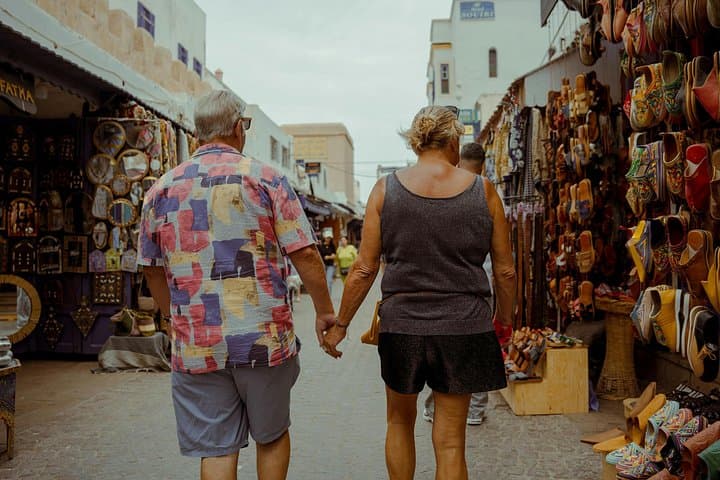
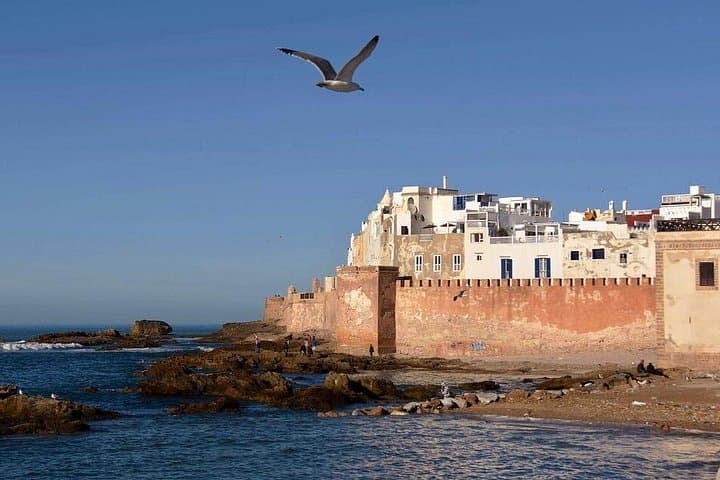
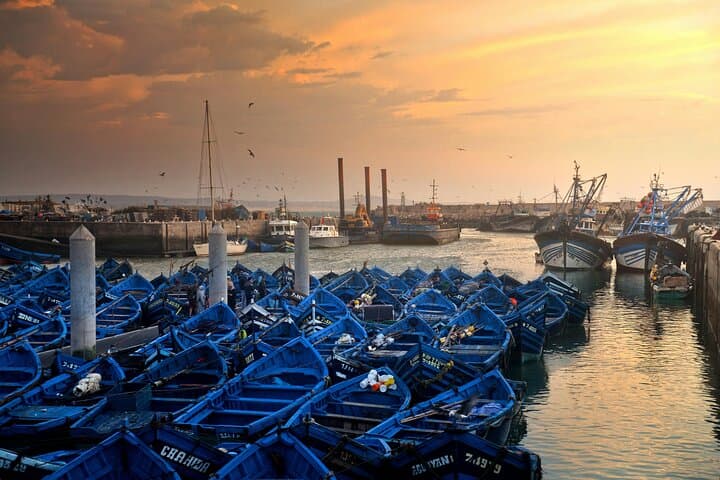
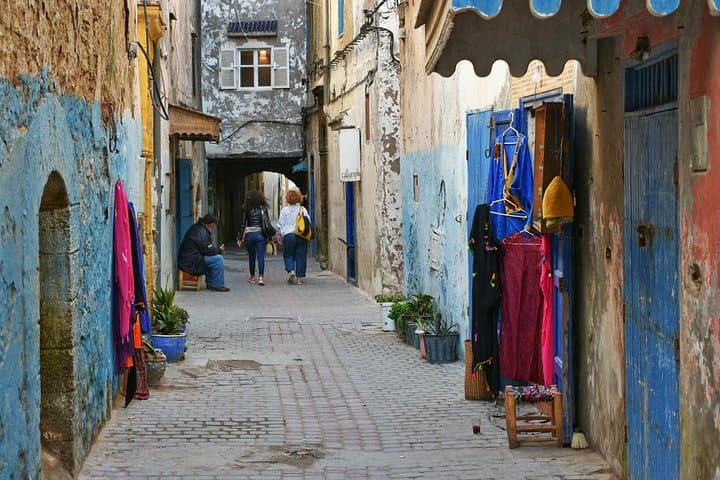
You arrive with the ocean first: a sudden sweep of salt and wind as the road opens and the blue Atlantic pushes at Essaouira’s low stone ramparts. Seagulls carve the air over a busy port where fishermen haul nets and bronze cannons keep an old watch. The medina’s straight, sun-baked streets steer you through stalls of cedar carvings, metalwork and spice-scented alleys, while the shore offers a wide, wind-scoured beach favored by kitesurfers.
You arrive with the ocean first: a sudden sweep of salt and wind as the road opens and the blue Atlantic pushes at Essaouira’s low stone ramparts. Seagulls carve the air over a busy port where fishermen haul nets and bronze cannons keep an old watch. The medina’s straight, sun-baked streets steer you through stalls of cedar carvings, metalwork and spice-scented alleys, while the shore offers a wide, wind-scoured beach favored by kitesurfers.
Essaouira — historically Mogador — developed as a fortified Atlantic port in the 16th–18th centuries, its ramparts shaped by European military engineers working for Moroccan sultans. Geologically the coast is a mix of sand and low rocky headlands; argan trees cling to the surrounding hills, producing oil that supports women’s cooperatives. Culturally the town is a crossroads: Gnawa music, Jewish heritage, and craft traditions remain visible in markets, workshops, and the compact museum quarter.
On a full-day tour from Marrakech expect roughly 2.5–3 hours each way by air-conditioned vehicle, with stops at an argan cooperative, the fish market, the Skala ramparts, and free time for lunch and shopping. Practical notes: bring cash for small purchases, a windlayer for the coast, comfortable shoes for cobbled streets, and sun protection. If you want quieter scenes, aim for earlier arrivals or sit on the ramparts at the harbor’s edge as kitesurfers ride the afternoon gusts. The itinerary gives a concise snapshot of Essaouira — a coastal city where wind and trade shaped both landscape and culture.