THE ADVENTURE COLLECTIVE® · Independent discovery and booking for outdoor travel

Long but rewarding, this full-day excursion from Rabat puts Essaouira’s windswept harbor, blue-and-white medina, and women’s argan cooperatives within reach. Expect a long drive, expansive seascapes, and lively market streets worth exploring on foot.
Long but rewarding, this full-day excursion from Rabat puts Essaouira’s windswept harbor, blue-and-white medina, and women’s argan cooperatives within reach. Expect a long drive, expansive seascapes, and lively market streets worth exploring on foot.
You arrive with the road still yawning ahead: low scrub and olive groves slide past as the Atlantic air sharpens on the horizon. By midmorning Essaouira’s white-and-blue ramparts come into focus, waves and gulls marking the town’s edge—an old fishing port that still smells of salt and citrus.
Verified experiences and guided adventures in the surrounding area.
Operated by Marrakech First Trip · Essaouira, Marrakesh-Safi
You arrive with the road still yawning ahead: low scrub and olive groves slide past as the Atlantic air sharpens on the horizon. By midmorning Essaouira’s white-and-blue ramparts come into focus, waves and gulls marking the town’s edge—an old fishing port that still smells of salt and citrus.
Essaouira’s current form dates to the 18th century when Sultan Mohammed ben Abdallah rebuilt the town as a trading entrepôt; before that, Portuguese fortifications left their stone fingerprints. The city sits on wind-abraded rock of the Atlantic coastal plain, where dunes and outcrops meet a busy harbor. Culture here is practical and public: fishermen mend nets, artisans lay out carved thuya wood and silver, and goats clamber in argan trees along the roadside.
A typical day trip from Rabat spends several hours in the medina—narrow alleys that are lively markets more than labyrinths—and at the seafront ramparts where the Marin Gate frames the surf. Visits often include a women’s argan cooperative on the road to Essaouira where you can observe pressing techniques and buy small-batch oil. Photography opportunities are constant: harbor scenes, blue façades, and the Kasbah ramparts’ broad views.
Practical guidance: expect a 6–7 hour round-trip drive each way shortened by a full day of walking in town; bring sun protection, cash for small purchases, and comfortable shoes for cobbles. The schedule is long but straightforward—plan for an early departure, light layers for coastal wind, and modest pacing so you can enjoy both sights and the slow rhythms of this Atlantic town.
Expect roughly 3.5–4 hours one way depending on traffic and stops along the Atlantic coast.
Yes—tours typically allocate around 3–4 hours in Essaouira to walk the medina, harbor, and ramparts at your own pace.
Meals are generally not included; you’ll have time for lunch in Essaouira’s harbor cafés—bring cash for small establishments.
The tour is family-friendly but involves stairs, cobbles, and several walking segments; limited mobility travelers should check accessibility at pick-up and cooperatives in advance.
Marrakech First Trip operates guided outdoor trips and adventures with an emphasis on safety, stewardship, and memorable experiences.

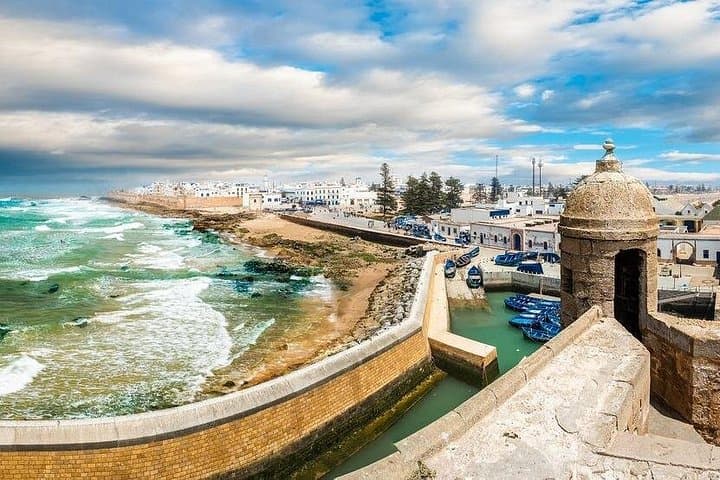
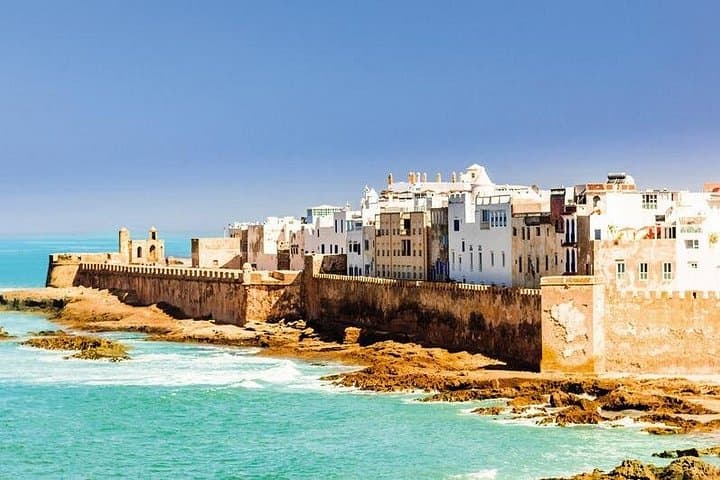
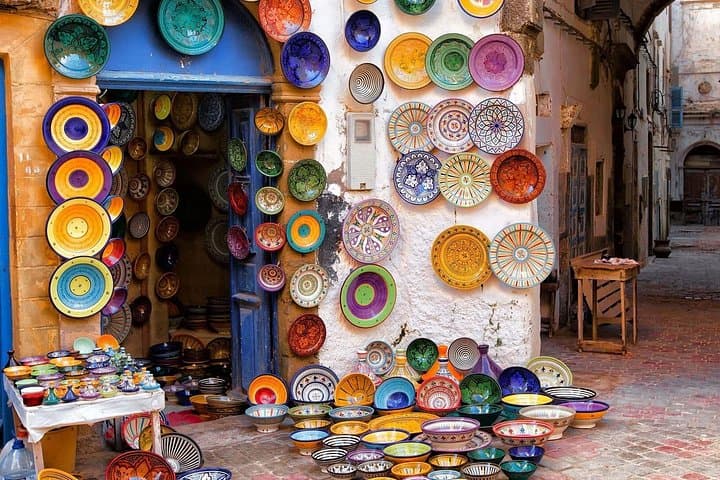
You arrive with the road still yawning ahead: low scrub and olive groves slide past as the Atlantic air sharpens on the horizon. By midmorning Essaouira’s white-and-blue ramparts come into focus, waves and gulls marking the town’s edge—an old fishing port that still smells of salt and citrus.
You arrive with the road still yawning ahead: low scrub and olive groves slide past as the Atlantic air sharpens on the horizon. By midmorning Essaouira’s white-and-blue ramparts come into focus, waves and gulls marking the town’s edge—an old fishing port that still smells of salt and citrus.
Essaouira’s current form dates to the 18th century when Sultan Mohammed ben Abdallah rebuilt the town as a trading entrepôt; before that, Portuguese fortifications left their stone fingerprints. The city sits on wind-abraded rock of the Atlantic coastal plain, where dunes and outcrops meet a busy harbor. Culture here is practical and public: fishermen mend nets, artisans lay out carved thuya wood and silver, and goats clamber in argan trees along the roadside.
A typical day trip from Rabat spends several hours in the medina—narrow alleys that are lively markets more than labyrinths—and at the seafront ramparts where the Marin Gate frames the surf. Visits often include a women’s argan cooperative on the road to Essaouira where you can observe pressing techniques and buy small-batch oil. Photography opportunities are constant: harbor scenes, blue façades, and the Kasbah ramparts’ broad views.
Practical guidance: expect a 6–7 hour round-trip drive each way shortened by a full day of walking in town; bring sun protection, cash for small purchases, and comfortable shoes for cobbles. The schedule is long but straightforward—plan for an early departure, light layers for coastal wind, and modest pacing so you can enjoy both sights and the slow rhythms of this Atlantic town.