THE ADVENTURE COLLECTIVE® · Independent discovery and booking for outdoor travel

Escape Marrakech for a day and trade red-city heat for Atlantic wind and historic ramparts. This full-day tour brings you to Essaouira’s working port, compact Medina and Thuya wood workshops with time to explore at a relaxed pace.
Escape Marrakech for a day and trade red-city heat for Atlantic wind and historic ramparts. This full-day tour brings you to Essaouira’s working port, compact Medina and Thuya wood workshops with time to explore at a relaxed pace.
You leave Marrakech before dawn and the road unspools west toward the Atlantic; the city’s ochre fades into scrub and then the sea appears as a flat, silver horizon. By late morning Essaouira’s wind-scoured ramparts come into view — low, white-washed walls punctuated by cannons facing the ocean — and the air smells of salt, toasted fish, and Thuya wood smoke from small workshops.
Verified experiences and guided adventures in the surrounding area.
Operated by Traces Berbres Voyages · Essaouira, Marrakesh-Safi
You leave Marrakech before dawn and the road unspools west toward the Atlantic; the city’s ochre fades into scrub and then the sea appears as a flat, silver horizon. By late morning Essaouira’s wind-scoured ramparts come into view — low, white-washed walls punctuated by cannons facing the ocean — and the air smells of salt, toasted fish, and Thuya wood smoke from small workshops.
Essaouira (historic Mogador) has deep layers: a 16th-century Portuguese fortification plan reworked by later Moroccan and European traders, a shoreline shaped by Atlantic swells and sand, and a living arts scene centered on wooden marquetry and Gnawa music. The Medina’s lanes are compact and walkable; artisans sell Thuya wood wares, leather and silver jewelry, while the harbor remains a working port with fishermen hauling morning nets.
On a full-day tour from Marrakech you’ll move between viewpoints on the ramparts, the fishing quay, and the tight bazaar alleys with time to browse and photograph. Expect steady wind on the waterfront, uneven cobbles in the old town and intermittent stairs into craft shops. Practical planning: start with layers and a windproof jacket, bring cash for small workshops and street food, and allocate at least two hours for unhurried exploration of the Medina.
Timing-wise, mornings offer softer light and calmer markets; midafternoon is livelier for music and cafés. Respect working docks, ask before photographing people, and support local artisans to keep the town vibrant.
Yes — this tour includes hotel pickup and drop-off in Marrakech as part of the booking.
Expect easy-to-moderate walking around the port and Medina, with uneven cobbles and short stair sections; comfortable shoes are recommended.
Lunch is typically not included; most itineraries allow time to eat at a local restaurant or street-food stalls in the Medina.
Yes — the tour notes stroller accessibility and infant seats available, but some Medina alleys and stairs are not stroller-friendly.
Traces Berbres Voyages operates guided outdoor trips and adventures with an emphasis on safety, stewardship, and memorable experiences.
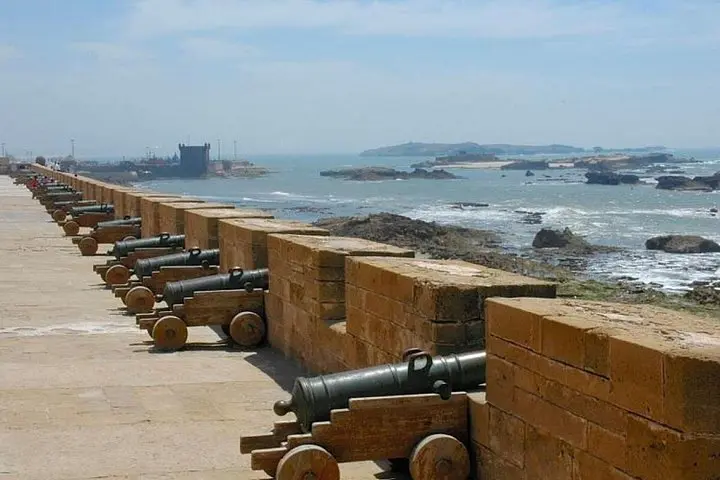
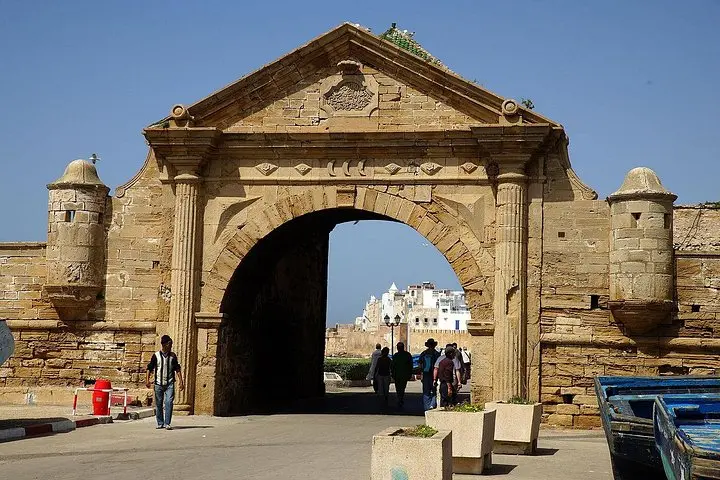
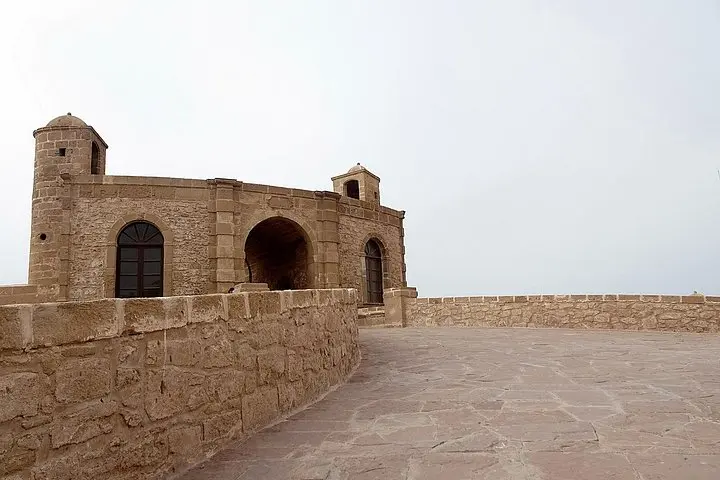
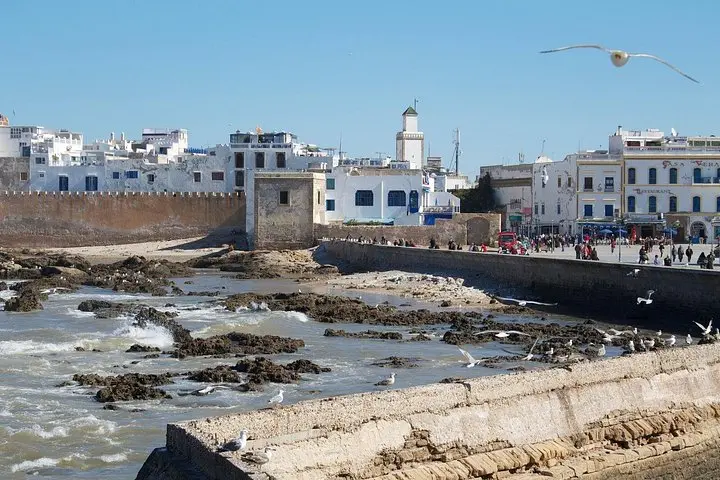
You leave Marrakech before dawn and the road unspools west toward the Atlantic; the city’s ochre fades into scrub and then the sea appears as a flat, silver horizon. By late morning Essaouira’s wind-scoured ramparts come into view — low, white-washed walls punctuated by cannons facing the ocean — and the air smells of salt, toasted fish, and Thuya wood smoke from small workshops.
You leave Marrakech before dawn and the road unspools west toward the Atlantic; the city’s ochre fades into scrub and then the sea appears as a flat, silver horizon. By late morning Essaouira’s wind-scoured ramparts come into view — low, white-washed walls punctuated by cannons facing the ocean — and the air smells of salt, toasted fish, and Thuya wood smoke from small workshops.
Essaouira (historic Mogador) has deep layers: a 16th-century Portuguese fortification plan reworked by later Moroccan and European traders, a shoreline shaped by Atlantic swells and sand, and a living arts scene centered on wooden marquetry and Gnawa music. The Medina’s lanes are compact and walkable; artisans sell Thuya wood wares, leather and silver jewelry, while the harbor remains a working port with fishermen hauling morning nets.
On a full-day tour from Marrakech you’ll move between viewpoints on the ramparts, the fishing quay, and the tight bazaar alleys with time to browse and photograph. Expect steady wind on the waterfront, uneven cobbles in the old town and intermittent stairs into craft shops. Practical planning: start with layers and a windproof jacket, bring cash for small workshops and street food, and allocate at least two hours for unhurried exploration of the Medina.
Timing-wise, mornings offer softer light and calmer markets; midafternoon is livelier for music and cafés. Respect working docks, ask before photographing people, and support local artisans to keep the town vibrant.