THE ADVENTURE COLLECTIVE® · Independent discovery and booking for outdoor travel

A full-day escape from Marrakech to Essaouira offers salt-swept beaches, a working fishing port, and visits to argan cooperatives. This guide explains what to expect and how to prepare for the day trip.
A full-day escape from Marrakech to Essaouira offers salt-swept beaches, a working fishing port, and visits to argan cooperatives. This guide explains what to expect and how to prepare for the day trip.
You leave Marrakech’s ochre alleys before dawn and the road opens to low hills dotted with argan trees. By mid-morning the Atlantic wind finds you—the cool, briny push that makes Essaouira’s wide beach feel alive and keeps the medina’s whitewashed walls gleaming. The harbor announces itself with the smell of smoke and grilling fish; gulls wheel above a procession of wooden boats hauled by fishermen who still mend nets by hand.
Verified experiences and guided adventures in the surrounding area.
Operated by Is Time Tours · Essaouira, Marrakech-Safi
You leave Marrakech’s ochre alleys before dawn and the road opens to low hills dotted with argan trees. By mid-morning the Atlantic wind finds you—the cool, briny push that makes Essaouira’s wide beach feel alive and keeps the medina’s whitewashed walls gleaming. The harbor announces itself with the smell of smoke and grilling fish; gulls wheel above a procession of wooden boats hauled by fishermen who still mend nets by hand.
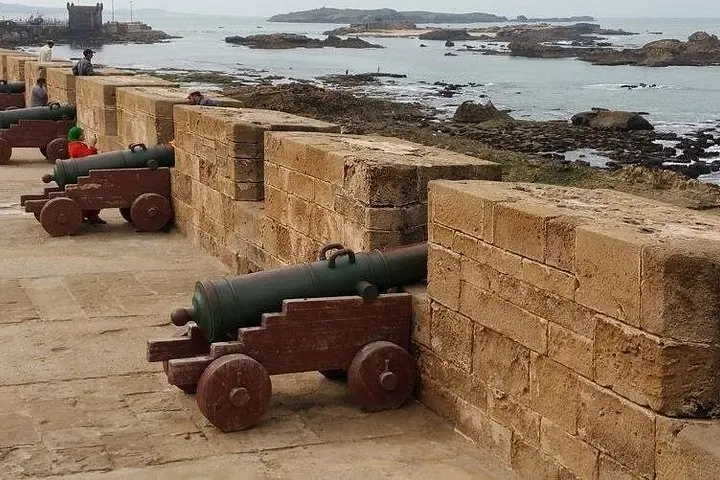
Essaouira—historically Mogador—has a compact, seawalled core laid down by Portuguese engineers in the 16th century and reshaped by Moroccan and European trade in subsequent centuries. Geologically it sits on a flat coastal shelf where sand and shale meet the ocean; tides carve the long beach and expose rocky points that concentrate birds and shellfish. Culturally the town balances artisanal trades—thuja wood carving, silverwork—and modern surf culture. Outside town, argan trees yield a thorny landscape where goats famously climb branches and Berber cooperatives press oil by traditional methods.
On a day tour expect a paced orientation walk through the medina, time at the port to watch fish auctions, and a long stroll on the beach with photo stops at the ramparts. Practical notes: the wind is constant—bring a windbreaker and layered clothing; wear sturdy shoes for cobbles and sand; carry cash for market stalls and cooperative goods; sunscreen and water are essential. Transfers from Marrakech are roughly 2.5–3 hours each way, so plan for a full day and leave room for traffic. The route is low-effort but rich in sensory detail—perfect for travelers who want seaside culture without overnight logistics.
Expect about 2.5–3 hours each way depending on traffic and stops—plan for a full 10–11 hour day including transfers.
Lunch is typically not included; you'll have time in the port area to buy freshly grilled fish or café meals at your own expense.
You can swim, but the Atlantic is cool and currents can be strong—swim near lifeguarded or crowded areas and heed local advice.
Many cooperatives are women-run and community-focused—look for cooperatives that allow you to observe production and sell directly to support local livelihoods.
Is Time Tours operates guided outdoor trips and adventures with an emphasis on safety, stewardship, and memorable experiences.
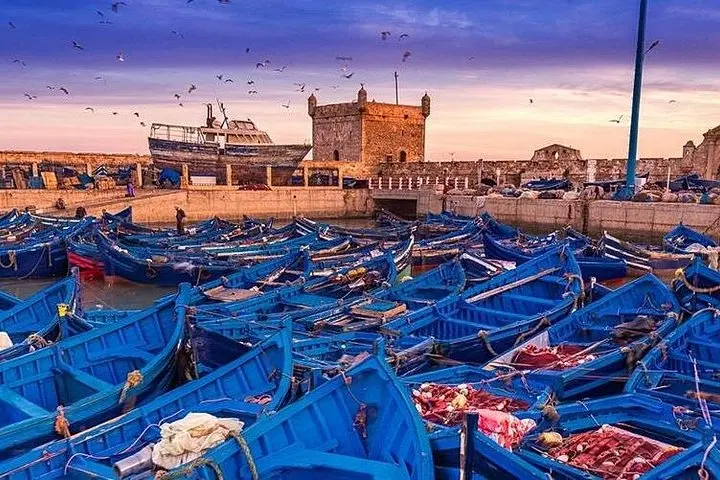
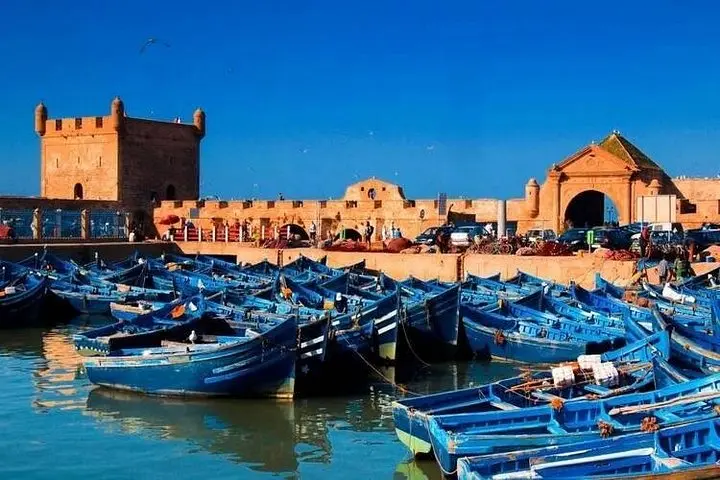
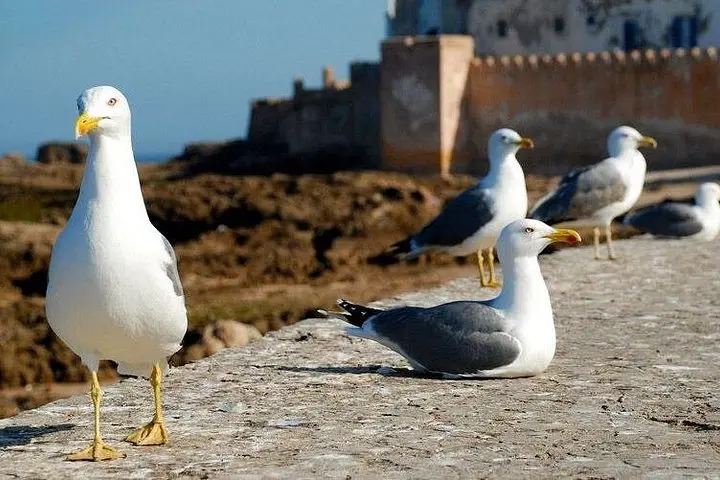
You leave Marrakech’s ochre alleys before dawn and the road opens to low hills dotted with argan trees. By mid-morning the Atlantic wind finds you—the cool, briny push that makes Essaouira’s wide beach feel alive and keeps the medina’s whitewashed walls gleaming. The harbor announces itself with the smell of smoke and grilling fish; gulls wheel above a procession of wooden boats hauled by fishermen who still mend nets by hand.
You leave Marrakech’s ochre alleys before dawn and the road opens to low hills dotted with argan trees. By mid-morning the Atlantic wind finds you—the cool, briny push that makes Essaouira’s wide beach feel alive and keeps the medina’s whitewashed walls gleaming. The harbor announces itself with the smell of smoke and grilling fish; gulls wheel above a procession of wooden boats hauled by fishermen who still mend nets by hand.
Essaouira—historically Mogador—has a compact, seawalled core laid down by Portuguese engineers in the 16th century and reshaped by Moroccan and European trade in subsequent centuries. Geologically it sits on a flat coastal shelf where sand and shale meet the ocean; tides carve the long beach and expose rocky points that concentrate birds and shellfish. Culturally the town balances artisanal trades—thuja wood carving, silverwork—and modern surf culture. Outside town, argan trees yield a thorny landscape where goats famously climb branches and Berber cooperatives press oil by traditional methods.
On a day tour expect a paced orientation walk through the medina, time at the port to watch fish auctions, and a long stroll on the beach with photo stops at the ramparts. Practical notes: the wind is constant—bring a windbreaker and layered clothing; wear sturdy shoes for cobbles and sand; carry cash for market stalls and cooperative goods; sunscreen and water are essential. Transfers from Marrakech are roughly 2.5–3 hours each way, so plan for a full day and leave room for traffic. The route is low-effort but rich in sensory detail—perfect for travelers who want seaside culture without overnight logistics.