THE ADVENTURE COLLECTIVE® · Independent discovery and booking for outdoor travel

Escape Marrakech for a day to Essaouira’s windswept coast: argan forests with tree-climbing goats, a UNESCO-listed medina and wide Atlantic beaches. This shared day trip packs sightseeing, culture and seaside time into an easy 11-hour loop.
Escape Marrakech for a day to Essaouira’s windswept coast: argan forests with tree-climbing goats, a UNESCO-listed medina and wide Atlantic beaches. This shared day trip packs sightseeing, culture and seaside time into an easy 11-hour loop.
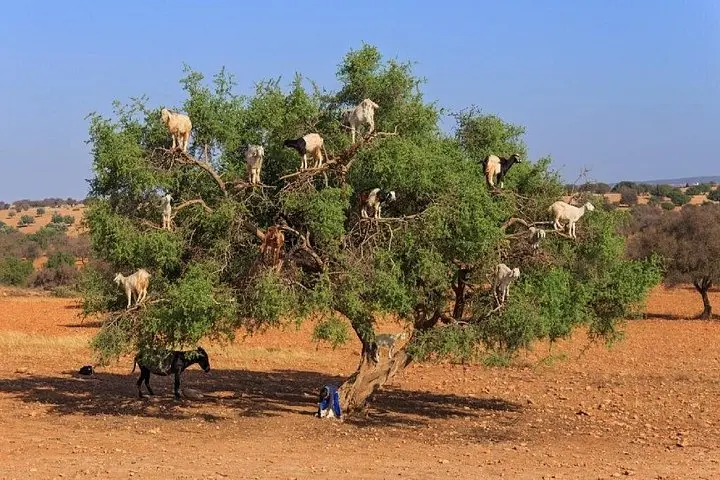
Morning light slices across the Atlantic as the minivan winds out of Marrakech and onto the open road — the city’s clay walls shrink behind you and the argan forest arrives, a spindly green ocean where goats occasionally cling to branches as if gravity were negotiable.
Verified experiences and guided adventures in the surrounding area.
Operated by Safari Desert Tours · Essaouira, Marrakesh-Safi
Morning light slices across the Atlantic as the minivan winds out of Marrakech and onto the open road — the city’s clay walls shrink behind you and the argan forest arrives, a spindly green ocean where goats occasionally cling to branches as if gravity were negotiable.
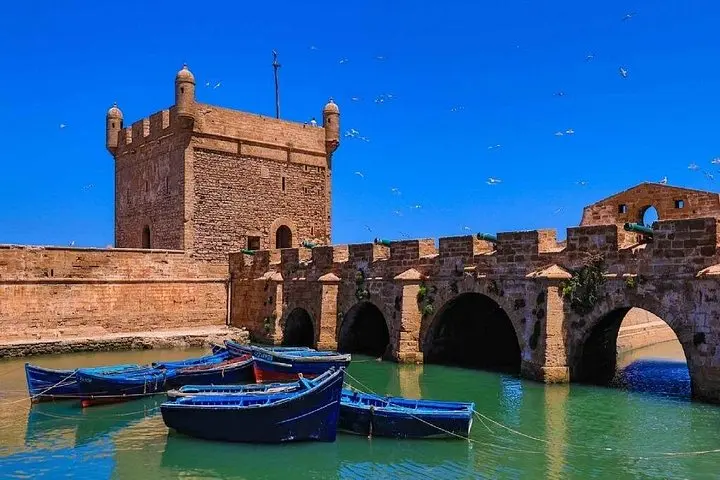
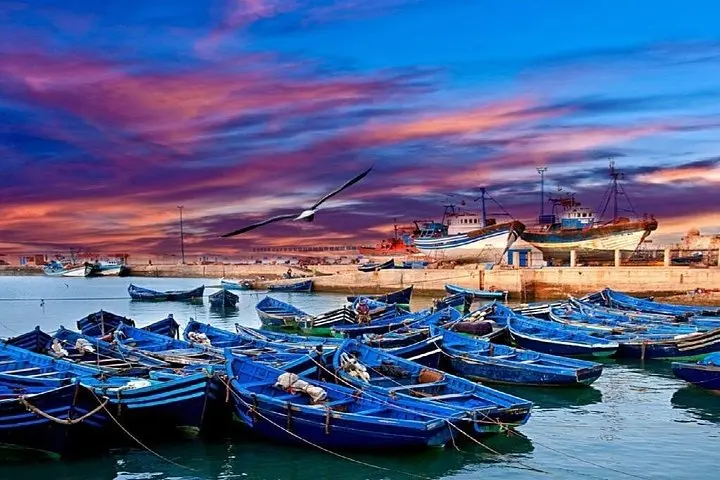
Essaouira (historically Mogador) unfolds with a different cadence: a late-18th-century fortified port built on European military principles yet thoroughly Moroccan in its markets, seafood stalls and weathered seafront ramparts. Geologically the coast is limestone and sand, the surf shaping broad beaches that invite wind-surfing and brisk coastal walks. Culture here is visible — local women pressing argan oil by hand in cooperatives, and the rhythm of Gnawa music threading through the medina’s alleys.
The day typically includes a 2–3 hour drive, a short stop at an argan cooperative, photo points above the city, and roughly four hours to explore the UNESCO-listed medina, waterfront and souks before returning to Marrakech.
Practical guidance: bring a refillable water bottle and sun protection; the wind off the Atlantic can be cold even on sunny days, so a light windbreaker is useful. Expect cobbled streets and uneven ramps on the ramparts — comfortable shoes matter. Carry cash for small purchases at cooperatives and local cafés; many stalls don’t accept cards.
Timing tips: leave early to beat the busiest hours in the medina and allow time for a seaside walk or quick swim. The shared trip suits travelers who want a low-effort introduction to Morocco’s coast—minimal fitness required, maximum daylight for photos and sampling fresh seafood.
The trip is roughly 2 to 2.5 hours each way depending on traffic and stops; total tour time is about 11 hours.
Yes — the itinerary typically includes about four hours of independent time to walk the medina, visit the port, eat seafood or check the beach.
The tour usually stops near an argan women’s cooperative; an optional visit is available where you can watch manual oil extraction and purchase products.
The tour is classified as easy and works for children, but the medina and ramparts have uneven ground and steps which can be challenging for limited mobility; notify the operator about mobility needs in advance.
Safari Desert Tours operates guided outdoor trips and adventures with an emphasis on safety, stewardship, and memorable experiences.

Morning light slices across the Atlantic as the minivan winds out of Marrakech and onto the open road — the city’s clay walls shrink behind you and the argan forest arrives, a spindly green ocean where goats occasionally cling to branches as if gravity were negotiable.
Morning light slices across the Atlantic as the minivan winds out of Marrakech and onto the open road — the city’s clay walls shrink behind you and the argan forest arrives, a spindly green ocean where goats occasionally cling to branches as if gravity were negotiable.
Essaouira (historically Mogador) unfolds with a different cadence: a late-18th-century fortified port built on European military principles yet thoroughly Moroccan in its markets, seafood stalls and weathered seafront ramparts. Geologically the coast is limestone and sand, the surf shaping broad beaches that invite wind-surfing and brisk coastal walks. Culture here is visible — local women pressing argan oil by hand in cooperatives, and the rhythm of Gnawa music threading through the medina’s alleys.
The day typically includes a 2–3 hour drive, a short stop at an argan cooperative, photo points above the city, and roughly four hours to explore the UNESCO-listed medina, waterfront and souks before returning to Marrakech.
Practical guidance: bring a refillable water bottle and sun protection; the wind off the Atlantic can be cold even on sunny days, so a light windbreaker is useful. Expect cobbled streets and uneven ramps on the ramparts — comfortable shoes matter. Carry cash for small purchases at cooperatives and local cafés; many stalls don’t accept cards.
Timing tips: leave early to beat the busiest hours in the medina and allow time for a seaside walk or quick swim. The shared trip suits travelers who want a low-effort introduction to Morocco’s coast—minimal fitness required, maximum daylight for photos and sampling fresh seafood.