THE ADVENTURE COLLECTIVE® · Independent discovery and booking for outdoor travel

Escape Marrakech for the Atlantic: Essaouira’s cool winds, medieval medina, and argan cooperatives make for a compact, memorable day trip. This guide outlines what to expect — history, coastal terrain, and simple planning tips to get the most from the journey.
Escape Marrakech for the Atlantic: Essaouira’s cool winds, medieval medina, and argan cooperatives make for a compact, memorable day trip. This guide outlines what to expect — history, coastal terrain, and simple planning tips to get the most from the journey.
You step out of the air‑conditioned van and the Atlantic wind answers like a living thing, pushing salt across a long, pale beach. Essaouira’s ramparts climb from the harbor — low, square, and weathered by the sea — while gulls and fishing boats argue over the water.
Verified experiences and guided adventures in the surrounding area.
Operated by Morocco Authentic journey · Essaouira, Marrakech-Safi
You step out of the air‑conditioned van and the Atlantic wind answers like a living thing, pushing salt across a long, pale beach. Essaouira’s ramparts climb from the harbor — low, square, and weathered by the sea — while gulls and fishing boats argue over the water.
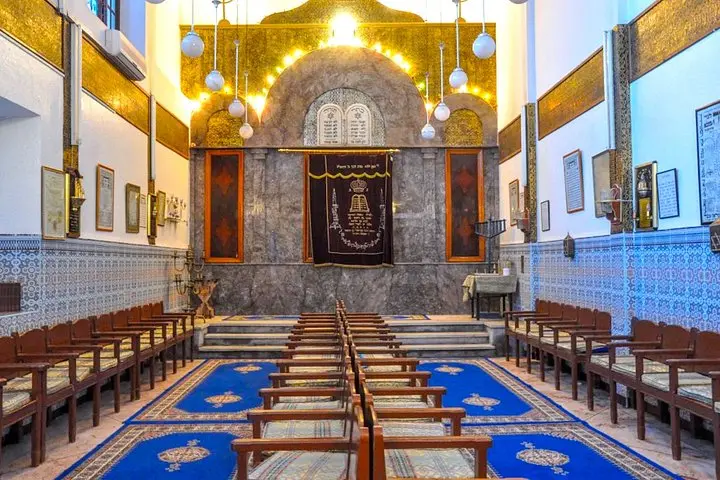
The medina earned UNESCO designation for its compact plan and Portuguese‑era fortifications dating to the 16th century. Geologically the coast is a broad sandy shelf; surf and wind sculpt the dunes and keep summers cool. Culturally, Essaouira has long been a crossroads — Berber, Arab, Jewish and European influences are visible in blue shutters, narrow alleys, and the old synagogue in Derb Lealouj. The Gnaoua music festival each summer pulls musicians and crowds into the streets, while argan cooperatives inland preserve traditional pressing methods that still support many women’s households.
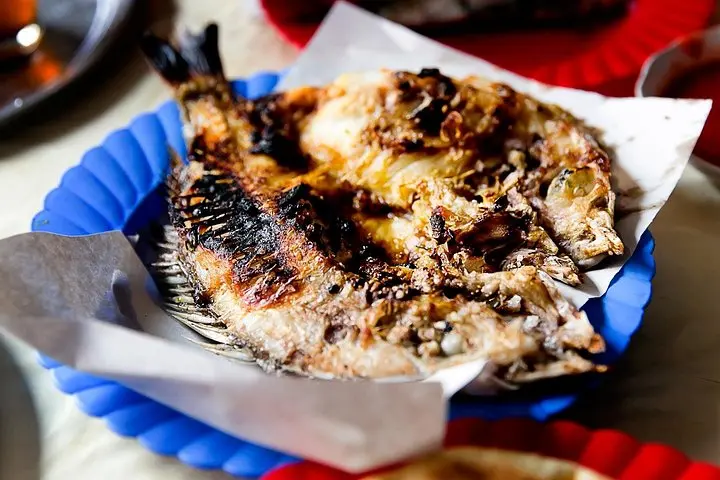
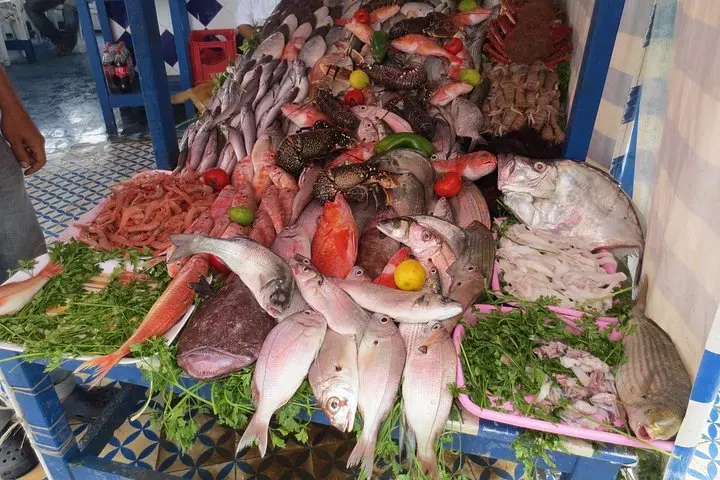
On a typical day‑trip from Marrakech (about 175 km, 4–6 hours each way including stops), expect a visit to an argan cooperative en route, free time to roam the medina and ramparts, and lunch at the fishing port. The beach is a ten‑kilometre ribbon of hard sand good for walks; winds make the coast a kitesurfing hub.
Practical guidance: wear sturdy shoes for cobbles and slippery ramps, bring sun protection and a refillable water bottle, and allow extra time for browsing cooperatives and the souk. If you want a deeper cultural layer, hire a local guide for 1–2 hours; otherwise wander — the town’s scale rewards slow exploration.
The drive is about 175 km and typically takes 2.5–3 hours each way, depending on traffic and stops such as an argan cooperative.
Yes — day‑trip itineraries commonly include a stop at a women’s argan cooperative to see traditional pressing and purchase products.
Many streets in the medina are narrow and cobbled which can be challenging; some areas and the harbor are more accessible, and the tour notes wheelchair‑accessible transport options.
A 1–2 hour local guide adds historical context and points you to hidden alleys and eateries, but independent exploration is also rewarding given the town’s compact size.
Morocco Authentic journey operates guided outdoor trips and adventures with an emphasis on safety, stewardship, and memorable experiences.
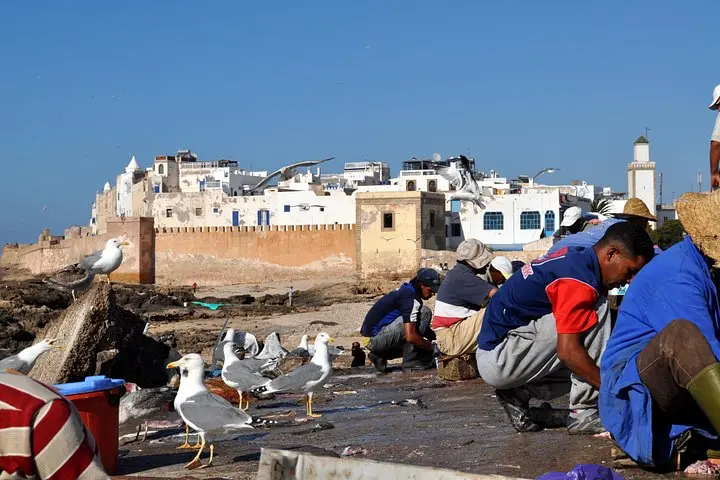
You step out of the air‑conditioned van and the Atlantic wind answers like a living thing, pushing salt across a long, pale beach. Essaouira’s ramparts climb from the harbor — low, square, and weathered by the sea — while gulls and fishing boats argue over the water.
You step out of the air‑conditioned van and the Atlantic wind answers like a living thing, pushing salt across a long, pale beach. Essaouira’s ramparts climb from the harbor — low, square, and weathered by the sea — while gulls and fishing boats argue over the water.
The medina earned UNESCO designation for its compact plan and Portuguese‑era fortifications dating to the 16th century. Geologically the coast is a broad sandy shelf; surf and wind sculpt the dunes and keep summers cool. Culturally, Essaouira has long been a crossroads — Berber, Arab, Jewish and European influences are visible in blue shutters, narrow alleys, and the old synagogue in Derb Lealouj. The Gnaoua music festival each summer pulls musicians and crowds into the streets, while argan cooperatives inland preserve traditional pressing methods that still support many women’s households.
On a typical day‑trip from Marrakech (about 175 km, 4–6 hours each way including stops), expect a visit to an argan cooperative en route, free time to roam the medina and ramparts, and lunch at the fishing port. The beach is a ten‑kilometre ribbon of hard sand good for walks; winds make the coast a kitesurfing hub.
Practical guidance: wear sturdy shoes for cobbles and slippery ramps, bring sun protection and a refillable water bottle, and allow extra time for browsing cooperatives and the souk. If you want a deeper cultural layer, hire a local guide for 1–2 hours; otherwise wander — the town’s scale rewards slow exploration.