THE ADVENTURE COLLECTIVE® · Independent discovery and booking for outdoor travel

Walk from quiet dunes to a small coastal waterfall and finish with a home-style Moroccan dinner by the Atlantic. This 3–4 hour sunset experience combines coastal geology, local fishing culture, and easy walking suited to most travelers.
Walk from quiet dunes to a small coastal waterfall and finish with a home-style Moroccan dinner by the Atlantic. This 3–4 hour sunset experience combines coastal geology, local fishing culture, and easy walking suited to most travelers.
The Atlantic wind thins the edges of the day as you step off a quiet lane and onto low dunes that lead toward the sound of falling water. Footsteps sink into mixed sand and packed shore as the trail threads small valleys toward Sidi M'Barek, a little waterfall that trickles down toward the ocean and marks the meeting of inland gullies and wild coast.
Verified experiences and guided adventures in the surrounding area.
Operated by PERLE DE SIDI M'BARK · Essaouira, Marrakesh-Safi
The Atlantic wind thins the edges of the day as you step off a quiet lane and onto low dunes that lead toward the sound of falling water. Footsteps sink into mixed sand and packed shore as the trail threads small valleys toward Sidi M'Barek, a little waterfall that trickles down toward the ocean and marks the meeting of inland gullies and wild coast.
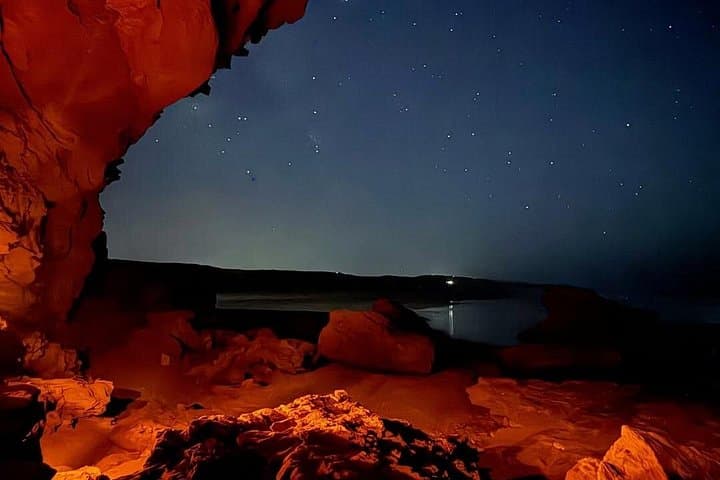
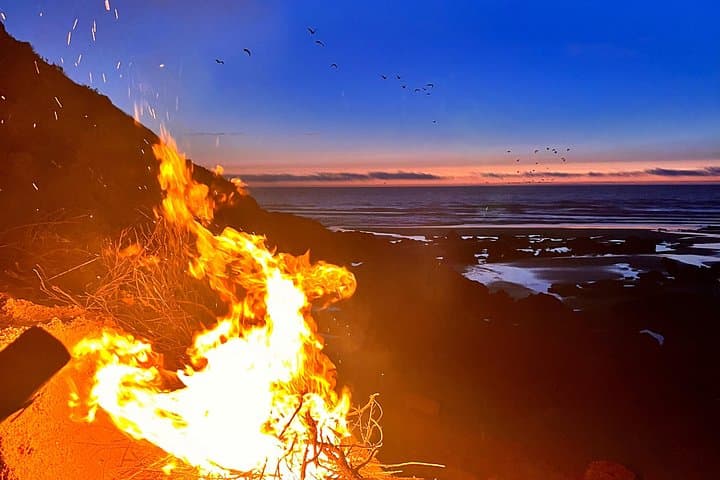
Essaouira — historically Mogador, a fortified port shaped by Portuguese and later 18th–19th century Moroccan trade — shows its coastal geology in cliffs of sandstone and compacted dune systems. Local fishing culture remains visible along the headlands: nets, small boats, and charcoal-grilled fish served simply at dusk. The walk moves through short scrub, soft sand trails and rocky shore approaches; it’s more about rhythm than steep climbs, the route rewarding with salt air, seabirds circling the cliffs, and a sunset dinner cooked from regional ingredients.
Plan for 3–4 hours on terrain that is mostly flat with intermittent sandy stretches and low rock steps; expect minimal elevation gain but variable footing. Wear grippy shoes, bring layered wind protection and a headlamp for the return after dusk. Hydrate and allow extra time to photograph tidal pools and the fishing coves nearby.
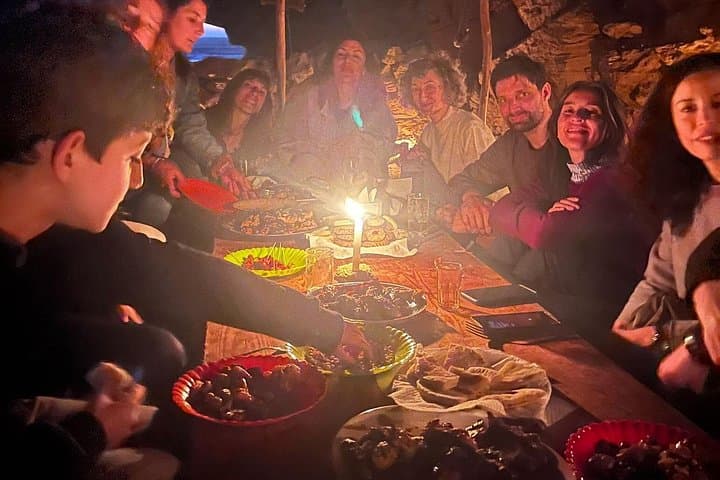
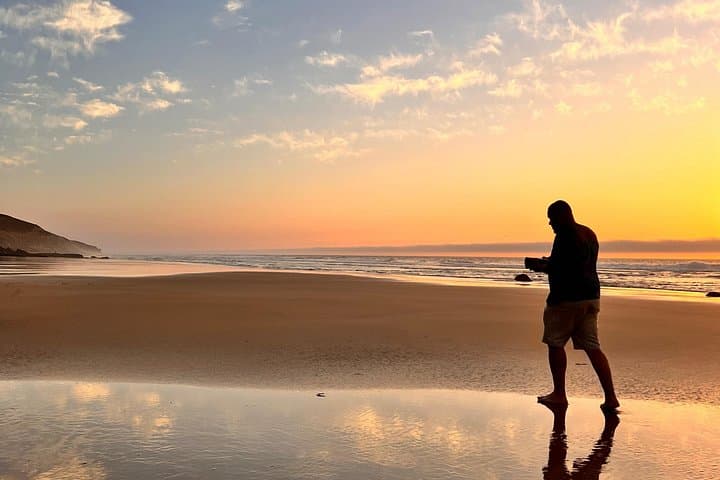
This experience is best timed for late-afternoon light: arrive with energy for a relaxed walk, and leave room to savor a home-cooked Moroccan meal by the surf — fish tajine, grilled seafood or a Berber vegetable plate — served as the last light slips into the Atlantic.
The tour lasts about 3–4 hours and is considered easy; terrain is mostly flat with sandy stretches and low rocky steps, suitable for most walkers.
Yes—dinner is included and typically features home-style Moroccan dishes such as fish tajine, grilled seafood or traditional vegetable plates, with tea or coffee afterward.
The experience is family-friendly and suitable for children able to walk 4–8 km; service animals are allowed but check with the operator about pets.
Layered clothing with a windproof outer layer, comfortable walking shoes, and a hat for sun protection earlier in the day; bring a small light for the return after dark.
PERLE DE SIDI M'BARK operates guided outdoor trips and adventures with an emphasis on safety, stewardship, and memorable experiences.
The Atlantic wind thins the edges of the day as you step off a quiet lane and onto low dunes that lead toward the sound of falling water. Footsteps sink into mixed sand and packed shore as the trail threads small valleys toward Sidi M'Barek, a little waterfall that trickles down toward the ocean and marks the meeting of inland gullies and wild coast.
The Atlantic wind thins the edges of the day as you step off a quiet lane and onto low dunes that lead toward the sound of falling water. Footsteps sink into mixed sand and packed shore as the trail threads small valleys toward Sidi M'Barek, a little waterfall that trickles down toward the ocean and marks the meeting of inland gullies and wild coast.
Essaouira — historically Mogador, a fortified port shaped by Portuguese and later 18th–19th century Moroccan trade — shows its coastal geology in cliffs of sandstone and compacted dune systems. Local fishing culture remains visible along the headlands: nets, small boats, and charcoal-grilled fish served simply at dusk. The walk moves through short scrub, soft sand trails and rocky shore approaches; it’s more about rhythm than steep climbs, the route rewarding with salt air, seabirds circling the cliffs, and a sunset dinner cooked from regional ingredients.
Plan for 3–4 hours on terrain that is mostly flat with intermittent sandy stretches and low rock steps; expect minimal elevation gain but variable footing. Wear grippy shoes, bring layered wind protection and a headlamp for the return after dusk. Hydrate and allow extra time to photograph tidal pools and the fishing coves nearby.
This experience is best timed for late-afternoon light: arrive with energy for a relaxed walk, and leave room to savor a home-cooked Moroccan meal by the surf — fish tajine, grilled seafood or a Berber vegetable plate — served as the last light slips into the Atlantic.