THE ADVENTURE COLLECTIVE® · Independent discovery and booking for outdoor travel

A private 3-day circuit through Korea’s west or east highlights — from Baekje tombs and Jeonju hanok lanes to Silla relics and Busan coastlines. Ideal for travelers who want curated cultural access with light walking and local food stops.
A private 3-day circuit through Korea’s west or east highlights — from Baekje tombs and Jeonju hanok lanes to Silla relics and Busan coastlines. Ideal for travelers who want curated cultural access with light walking and local food stops.
You step off a highway outside Seoul and the coastal wind pulls at your jacket — the country unfurls from capital sprawl into low hills, salt-spray harbors and rice-patrolled plains. Over three days a private vehicle threads you through Korea’s living history: fortress walls, hanok alleys, seaside temples and royal tombs. The landscape alternates between oak-dotted ridges and broad tidal flats where gulls argue with the tide.
Verified experiences and guided adventures in the surrounding area.
Operated by Tour n Korea · Seoul, Seoul
You step off a highway outside Seoul and the coastal wind pulls at your jacket — the country unfurls from capital sprawl into low hills, salt-spray harbors and rice-patrolled plains. Over three days a private vehicle threads you through Korea’s living history: fortress walls, hanok alleys, seaside temples and royal tombs. The landscape alternates between oak-dotted ridges and broad tidal flats where gulls argue with the tide.
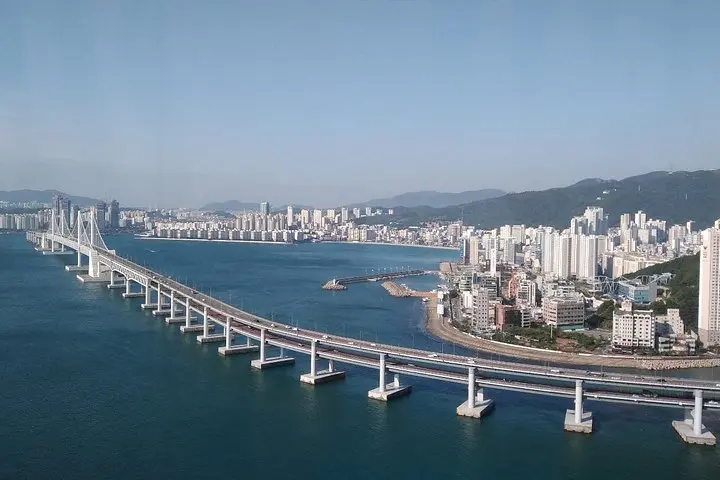
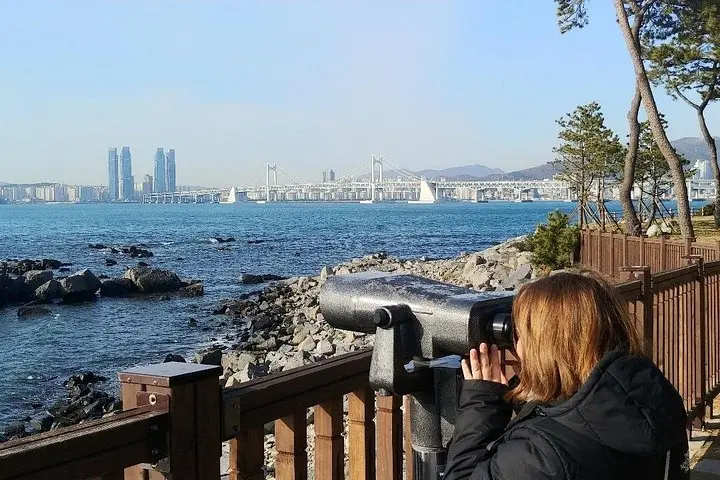
The west route traces Baekje kingdom sites like Gongju’s ancient tombs and Jeonju’s preserved hanok quarter; the east route follows Silla-era Gyeongju, Andong’s folk villages and Busan’s modern harbor. Geology is gentle—old river terraces, granite outcrops and a serrated coastline shaped by tidal currents—so the focus is cultural rhythm rather than technical terrain.
Locals keep these places practical and approachable: markets sell bibimbap in Jeonju, craftsmen still repair lacquerware in Andong, and seaside eateries in Yeosu serve fish caught that morning. Expect short walks at most sites, museum entrances, and the steady movement of a chauffeured itinerary that balances driving with 40–180 minute site visits.
Practical guide: Pack a light daypack for cameras and layers for wind and rain; plan for 8–10 hours of door-to-door travel each day with frequent stops. Book museums and temple visit times into your schedule to avoid peak crowds; bring cash for small-market purchases. If you have spinal or cardiovascular concerns, discuss pacing and pickup points with your operator in advance. The trip is private and flexible, making it a fit for travelers who want curated access to Korea’s regional history without strenuous hiking.
Some entrances are included per itinerary notes, but many museum and temple fees may be separate—confirm with your operator before travel.
Yes — the tour is private and flexible; you can prioritize specific sites or adjust pacing with advance notice.
Private transfers typically start and end near Seoul; specify your preferred pickup or drop-off when booking.
Yes — physical demands are low, but those with spinal or heart conditions should consult the operator about pacing and vehicle access.
Tour n Korea operates guided outdoor trips and adventures with an emphasis on safety, stewardship, and memorable experiences.

You step off a highway outside Seoul and the coastal wind pulls at your jacket — the country unfurls from capital sprawl into low hills, salt-spray harbors and rice-patrolled plains. Over three days a private vehicle threads you through Korea’s living history: fortress walls, hanok alleys, seaside temples and royal tombs. The landscape alternates between oak-dotted ridges and broad tidal flats where gulls argue with the tide.
You step off a highway outside Seoul and the coastal wind pulls at your jacket — the country unfurls from capital sprawl into low hills, salt-spray harbors and rice-patrolled plains. Over three days a private vehicle threads you through Korea’s living history: fortress walls, hanok alleys, seaside temples and royal tombs. The landscape alternates between oak-dotted ridges and broad tidal flats where gulls argue with the tide.
The west route traces Baekje kingdom sites like Gongju’s ancient tombs and Jeonju’s preserved hanok quarter; the east route follows Silla-era Gyeongju, Andong’s folk villages and Busan’s modern harbor. Geology is gentle—old river terraces, granite outcrops and a serrated coastline shaped by tidal currents—so the focus is cultural rhythm rather than technical terrain.
Locals keep these places practical and approachable: markets sell bibimbap in Jeonju, craftsmen still repair lacquerware in Andong, and seaside eateries in Yeosu serve fish caught that morning. Expect short walks at most sites, museum entrances, and the steady movement of a chauffeured itinerary that balances driving with 40–180 minute site visits.
Practical guide: Pack a light daypack for cameras and layers for wind and rain; plan for 8–10 hours of door-to-door travel each day with frequent stops. Book museums and temple visit times into your schedule to avoid peak crowds; bring cash for small-market purchases. If you have spinal or cardiovascular concerns, discuss pacing and pickup points with your operator in advance. The trip is private and flexible, making it a fit for travelers who want curated access to Korea’s regional history without strenuous hiking.