THE ADVENTURE COLLECTIVE® · Independent discovery and booking for outdoor travel

Half a day in Luang Prabang covers gilded temples, the royal palace, and a steep climb to Mount Phousi for sweeping river views. Practical, respectful, and photo-ready — this tour is a concise introduction to the town’s spiritual and historical heart.
Half a day in Luang Prabang covers gilded temples, the royal palace, and a steep climb to Mount Phousi for sweeping river views. Practical, respectful, and photo-ready — this tour is a concise introduction to the town’s spiritual and historical heart.
Dawn light slides across the Mekong and paints the ochre roofs of Luang Prabang; monks in saffron move with deliberate calm, and the town’s low stone streets open like pages from a quiet history. On a half-day sweep through the UNESCO-listed core you’ll pass gilt temples, French colonial facades, and the steep stair that leads to Mount Phousi’s golden stupa — the view from the top pulls the town into a single frame.
Verified experiences and guided adventures in the surrounding area.
Operated by Asian Trails LTD · Luang Prabang, Luang Prabang Province
Dawn light slides across the Mekong and paints the ochre roofs of Luang Prabang; monks in saffron move with deliberate calm, and the town’s low stone streets open like pages from a quiet history. On a half-day sweep through the UNESCO-listed core you’ll pass gilt temples, French colonial facades, and the steep stair that leads to Mount Phousi’s golden stupa — the view from the top pulls the town into a single frame.
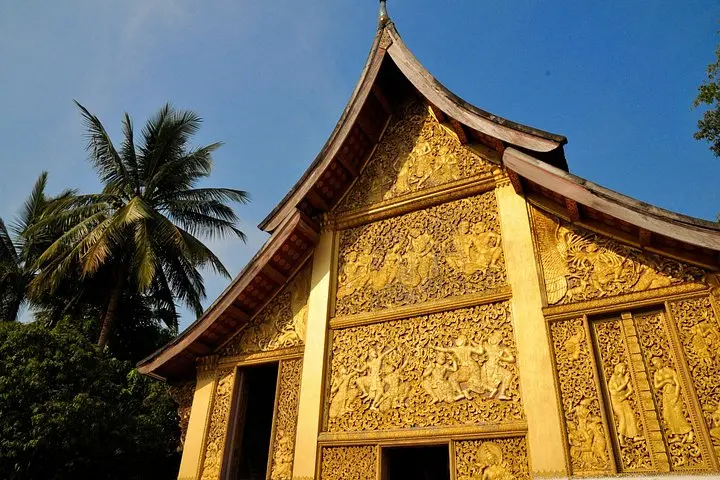
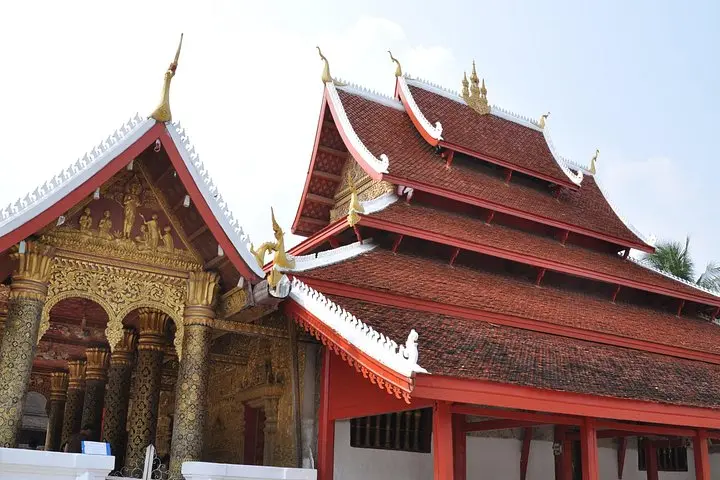
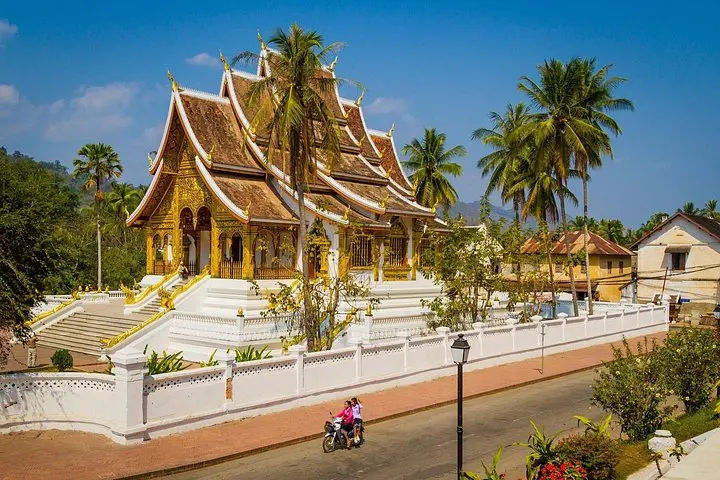
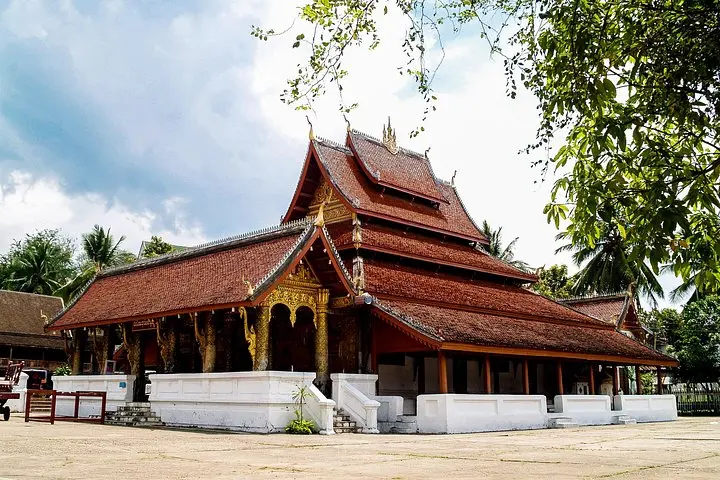
The city was the royal capital of the Lan Xang kingdom and later the residence of Lao royalty; the National Museum (former Royal Palace) holds artifacts from that era while Wat Xieng Thong and Wat Mai show the refined ornamentation of Theravada Buddhism. Geologically, the Mekong and Nam Khan rivers shaped the floodplain you walk on, while Mount Phousi — a limestone rise crowned by That Chomsi — creates Luang Prabang’s visual center.
Culturally pragmatic, the tour balances temple etiquette and local rhythms: remove shoes, cover shoulders and knees, and move quietly through worship spaces. Expect short walks between sites, some stair climbing to reach viewpoints, and a guide who layers history with local stories about royal processions, monastery life, and the elusively simple beauty of daily alms.
Practical side: plan for sun and sudden rain, bring modest clothing for temple entry, and allow 3–4 hours including hotel transfer. Morning tours capture cooler air and lively market stalls; afternoons offer softer light for photos. This intro is compact but deep — ideal for travelers wanting a focused cultural orientation before exploring further afield.
The tour lasts approximately 4 hours and includes a professional English-speaking guide, entrance fees, and hotel pickup/drop-off within central Luang Prabang.
Yes — shoulders and knees must be covered. Avoid clothing with offensive graphics; your guide will advise when to remove shoes.
Some sites have stairs and uneven surfaces; guests with limited mobility should notify the operator in advance so they can advise or adapt the itinerary where possible.
Morning tours offer cooler temperatures and market activity; late afternoon yields softer light and smaller crowds for photos.
Asian Trails LTD operates guided outdoor trips and adventures with an emphasis on safety, stewardship, and memorable experiences.
Dawn light slides across the Mekong and paints the ochre roofs of Luang Prabang; monks in saffron move with deliberate calm, and the town’s low stone streets open like pages from a quiet history. On a half-day sweep through the UNESCO-listed core you’ll pass gilt temples, French colonial facades, and the steep stair that leads to Mount Phousi’s golden stupa — the view from the top pulls the town into a single frame.
Dawn light slides across the Mekong and paints the ochre roofs of Luang Prabang; monks in saffron move with deliberate calm, and the town’s low stone streets open like pages from a quiet history. On a half-day sweep through the UNESCO-listed core you’ll pass gilt temples, French colonial facades, and the steep stair that leads to Mount Phousi’s golden stupa — the view from the top pulls the town into a single frame.
The city was the royal capital of the Lan Xang kingdom and later the residence of Lao royalty; the National Museum (former Royal Palace) holds artifacts from that era while Wat Xieng Thong and Wat Mai show the refined ornamentation of Theravada Buddhism. Geologically, the Mekong and Nam Khan rivers shaped the floodplain you walk on, while Mount Phousi — a limestone rise crowned by That Chomsi — creates Luang Prabang’s visual center.
Culturally pragmatic, the tour balances temple etiquette and local rhythms: remove shoes, cover shoulders and knees, and move quietly through worship spaces. Expect short walks between sites, some stair climbing to reach viewpoints, and a guide who layers history with local stories about royal processions, monastery life, and the elusively simple beauty of daily alms.
Practical side: plan for sun and sudden rain, bring modest clothing for temple entry, and allow 3–4 hours including hotel transfer. Morning tours capture cooler air and lively market stalls; afternoons offer softer light for photos. This intro is compact but deep — ideal for travelers wanting a focused cultural orientation before exploring further afield.