THE ADVENTURE COLLECTIVE® · Independent discovery and booking for outdoor travel

A compact, four-day circuit from Ulaanbaatar that pairs ger-stays with dune treks and a search for the wild Takhi horses. Expect horseback and camel rides, hilltop temples, and close encounters with nomadic life.
A compact, four-day circuit from Ulaanbaatar that pairs ger-stays with dune treks and a search for the wild Takhi horses. Expect horseback and camel rides, hilltop temples, and close encounters with nomadic life.
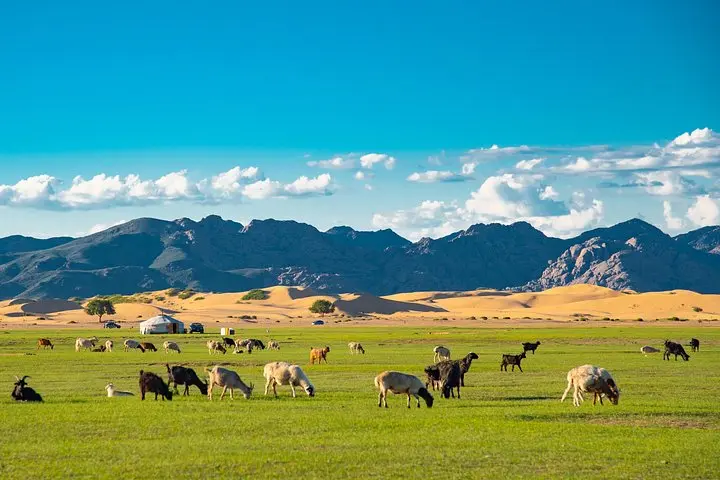
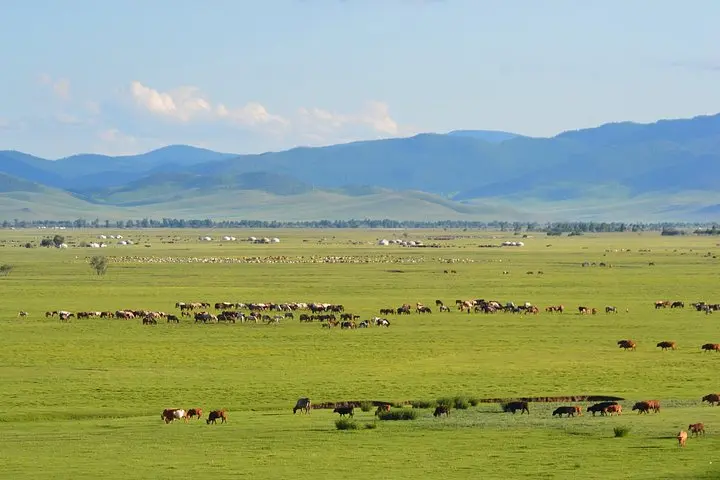
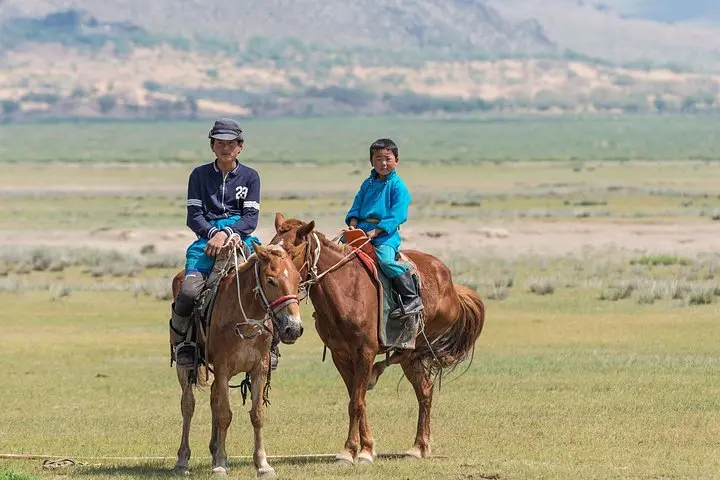
On the road out of Ulaanbaatar the pavement thins, the city’s noise folding away as the steppe widens into a wind-scoured plain. By midmorning your vehicle threads between low hills and scrub, and suddenly the landscape opens: eroded sandstone, scattered larch, and a horizon marked by the low shoulders of Khogno Khan. The first ger you enter smells of smoke and milk tea; a nomad family greets you with boiled mutton and stories as old as the route. This is not a sanitized safari; it is direct, tactile, and shaped by lives that still follow the seasons.
Verified experiences and guided adventures in the surrounding area.
Operated by Tour Mongolia · Ulaanbaatar, Ulaanbaatar
On the road out of Ulaanbaatar the pavement thins, the city’s noise folding away as the steppe widens into a wind-scoured plain. By midmorning your vehicle threads between low hills and scrub, and suddenly the landscape opens: eroded sandstone, scattered larch, and a horizon marked by the low shoulders of Khogno Khan. The first ger you enter smells of smoke and milk tea; a nomad family greets you with boiled mutton and stories as old as the route. This is not a sanitized safari; it is direct, tactile, and shaped by lives that still follow the seasons.
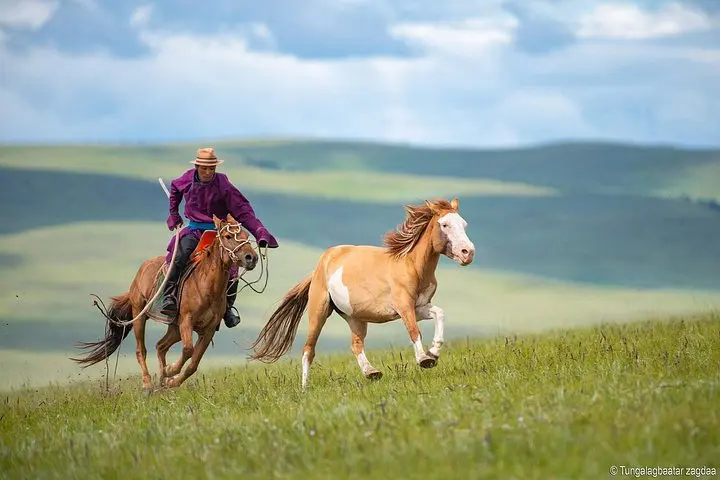
Across four days you move from guest ger to camel herder camp to Hustai ger camp, sampling horseback trails, Bactrian camel rides, dune walks and a hilltop temple hike. At Khogno Khan, Uvgun Khiid’s reconstructed temples perch among outcrops—a compact slice of Mongolia’s Buddhist revival after decades of suppression. The Elsen Tasarkhai dunes are not Sahara-scale, but they shift underfoot with the same impermanence, wind chiseling ripples that catch late-afternoon light. Out in Hustai National Park the Takhi—Przewalski’s wild horses—graze in small bands. They survived extinction in the wild and were reintroduced here; watching them lift their heads across the grass is one of Mongolia’s quiet, persistent miracles.
Geology here is simple and honest: wind, ice, and water have carved the low ridges and dunes, while alluvial fans and steppe grasses tell the story of seasonal rains and long, cold winters. Cultural geography is immediate—your nights in gers are nights in living households, not a staged experience. Hosts offer fermented mare’s milk, invite you to help with dumplings, and explain migration routes that trace water and pasture rather than GPS.
Practicalities: the full loop covers several hundred kilometers; expect a long drive of roughly 270 km to Hustai on day three, and short to moderate hikes such as the 45-minute climb to the hillside temple. Temperatures swing—warm days, cool nights—so pack layers. Horse and camel rides are optional for those with less riding experience; helmets and shin protectors are provided. Water is supplied daily but bring a refillable bottle. Mobile signal is intermittent outside Ulaanbaatar; carry printed confirmations and a small first-aid kit.
Timing matters—early mornings are best for wildlife sightings and for catching dune light, while afternoons are ideal for social visits and learning about nomadic craft. The trip is condensed but balanced: you will travel, move on foot, ride, and sleep under canvas with hosts who measure distance by herd size and the quality of the pasture. It’s an efficient, unvarnished way to feel Mongolia’s sweep in a single long weekend.
No. Basic horse and camel rides are suitable for beginners; guides provide helmets and instructions, though more confident riders will be more comfortable on longer rides.
Accommodation is primarily traditional gers alongside nomad families and a comfortable ger camp at Hustai; bedding is provided but expect simple facilities.
Expect several hours of driving across the tour, including a roughly 3-hour, 270 km drive to Hustai on day three; roads outside Ulaanbaatar can be unpaved.
Yes; the operator notes stroller access and infant seats available, but plan for long transfers and limited medical services in remote areas.
Sightings are likely but not guaranteed; guides coordinate with park rangers and will track animals within Hustai National Park where reintroduction efforts have been successful.
Signal is reliable near Ulaanbaatar and some ger camps, but intermittent in remote valley and dunes; ger camps have basic electricity—bring power bank for devices.
Tour Mongolia operates guided outdoor trips and adventures with an emphasis on safety, stewardship, and memorable experiences.
On the road out of Ulaanbaatar the pavement thins, the city’s noise folding away as the steppe widens into a wind-scoured plain. By midmorning your vehicle threads between low hills and scrub, and suddenly the landscape opens: eroded sandstone, scattered larch, and a horizon marked by the low shoulders of Khogno Khan. The first ger you enter smells of smoke and milk tea; a nomad family greets you with boiled mutton and stories as old as the route. This is not a sanitized safari; it is direct, tactile, and shaped by lives that still follow the seasons.
On the road out of Ulaanbaatar the pavement thins, the city’s noise folding away as the steppe widens into a wind-scoured plain. By midmorning your vehicle threads between low hills and scrub, and suddenly the landscape opens: eroded sandstone, scattered larch, and a horizon marked by the low shoulders of Khogno Khan. The first ger you enter smells of smoke and milk tea; a nomad family greets you with boiled mutton and stories as old as the route. This is not a sanitized safari; it is direct, tactile, and shaped by lives that still follow the seasons.
Across four days you move from guest ger to camel herder camp to Hustai ger camp, sampling horseback trails, Bactrian camel rides, dune walks and a hilltop temple hike. At Khogno Khan, Uvgun Khiid’s reconstructed temples perch among outcrops—a compact slice of Mongolia’s Buddhist revival after decades of suppression. The Elsen Tasarkhai dunes are not Sahara-scale, but they shift underfoot with the same impermanence, wind chiseling ripples that catch late-afternoon light. Out in Hustai National Park the Takhi—Przewalski’s wild horses—graze in small bands. They survived extinction in the wild and were reintroduced here; watching them lift their heads across the grass is one of Mongolia’s quiet, persistent miracles.
Geology here is simple and honest: wind, ice, and water have carved the low ridges and dunes, while alluvial fans and steppe grasses tell the story of seasonal rains and long, cold winters. Cultural geography is immediate—your nights in gers are nights in living households, not a staged experience. Hosts offer fermented mare’s milk, invite you to help with dumplings, and explain migration routes that trace water and pasture rather than GPS.
Practicalities: the full loop covers several hundred kilometers; expect a long drive of roughly 270 km to Hustai on day three, and short to moderate hikes such as the 45-minute climb to the hillside temple. Temperatures swing—warm days, cool nights—so pack layers. Horse and camel rides are optional for those with less riding experience; helmets and shin protectors are provided. Water is supplied daily but bring a refillable bottle. Mobile signal is intermittent outside Ulaanbaatar; carry printed confirmations and a small first-aid kit.
Timing matters—early mornings are best for wildlife sightings and for catching dune light, while afternoons are ideal for social visits and learning about nomadic craft. The trip is condensed but balanced: you will travel, move on foot, ride, and sleep under canvas with hosts who measure distance by herd size and the quality of the pasture. It’s an efficient, unvarnished way to feel Mongolia’s sweep in a single long weekend.