THE ADVENTURE COLLECTIVE® · Independent discovery and booking for outdoor travel

A five-day loop from Ulaanbaatar through Kharkhorum, Khogno Khan and Hustai combines ger stays with horse and camel rides, monastery visits, dunes and a chance to see wild Takhi horses up close. Practical, compact, and culturally immersive.
A five-day loop from Ulaanbaatar through Kharkhorum, Khogno Khan and Hustai combines ger stays with horse and camel rides, monastery visits, dunes and a chance to see wild Takhi horses up close. Practical, compact, and culturally immersive.
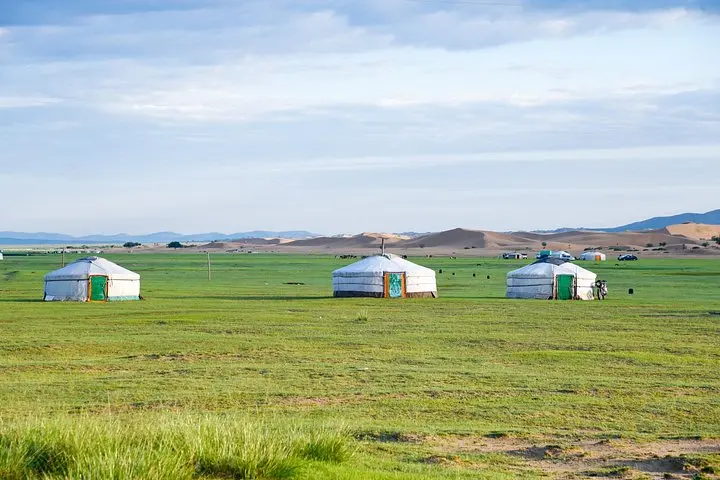
The morning air tastes of burnt yak dung and strong milk tea as your minivan eases out of Ulaanbaatar and into the vast open of central Mongolia. The road narrows to a ribbon of gravel; low hills recede and the first gers appear, white circles on a green-brown plain. By midday you are already in a different country — one ruled by wind, horse, and a pace of life that bends to seasons rather than clocks.
Verified experiences and guided adventures in the surrounding area.
Operated by Tour Mongolia · Kharkhorum, Övörkhangai Province
The morning air tastes of burnt yak dung and strong milk tea as your minivan eases out of Ulaanbaatar and into the vast open of central Mongolia. The road narrows to a ribbon of gravel; low hills recede and the first gers appear, white circles on a green-brown plain. By midday you are already in a different country — one ruled by wind, horse, and a pace of life that bends to seasons rather than clocks.
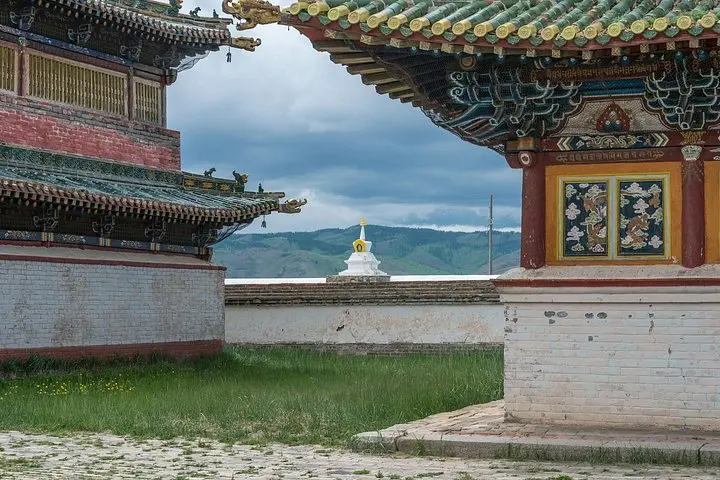
This five-day loop stitches together Mongolia’s historical spine with its living nomadic culture. You visit the Kharkhorum region where stone remains of 10th-century fortifications meet the erdene zuu monastery complex, rebuilt with local stone and carved prayer wheels that still turn under the hands of chanting monks. Geologically, the route moves from volcanic Khogno Khan outcrops to the wind-sculpted sand of Elsen Tasarkhai, then into the rolling grasslands of Hustai, a reserve created to protect the last truly wild horses — the takhi. The wind here has a voice; dunes and steppe answer it in different registers.
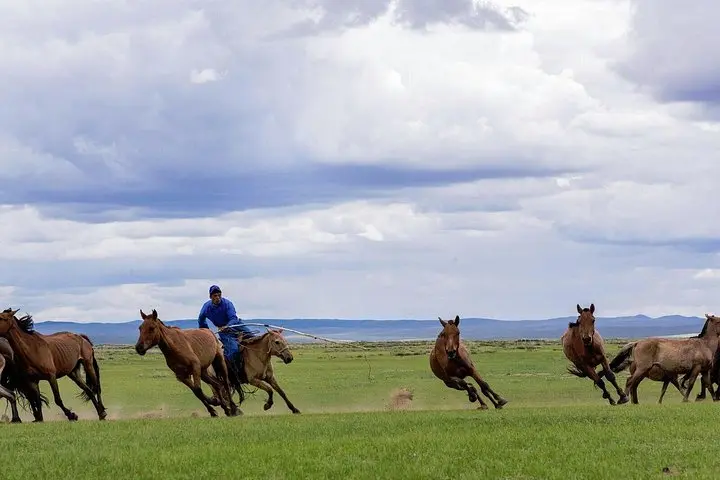
Culturally this itinerary is direct and intimate: you sleep in gers beside nomadic families, share milk tea and home-made curds, learn to thread felt and fling the ankle bones used in traditional games. Horse and camel rides aren’t stage props but working elements: horses are a transport and a measure of status, and Bactrian camels are slow-moving, double-humped machines built for the dunes.
Practicalities are straightforward but real. Distances are long — expect several 3–5 hour drives between highlights on unpaved roads. The daily rhythm alternates vehicle travel, short hikes (a 45-minute climb to a ruined temple at Khogno Khan), and brief riding sessions; most terrain is easy underfoot but sand and loose scree require steady footing. Guides handle logistics: pickup in Ulaanbaatar, all meals as listed, and standard ger accommodations; helmets and shin guards are provided for rides.
Packing wisely makes the trip better: layers for big temperature swings, sturdy boots for dunes and temple paths, sun protection, and a reliable daypack. Bring cash for small purchases and modest souvenirs at local coop workshops. Respect the customs — ask before photographing people inside their ger and remove shoes where requested.
For travelers who want a compact primer on Mongolia’s history, landscape, and living traditions, this itinerary is efficient and immersive. It’s not luxury wilderness — it’s hands-on, culturally dense travel that leaves you with the sound of horse hooves in your head and a clear sense of how nomadic life still maps across this wide, windy country.
Rides are short to moderate (about an hour) and suitable for beginners; helmets and shin protectors are provided and guides help mount and dismount.
Gers are basic but clean and heated as needed; expect shared facilities at some camps and authentic home-cooked meals.
Visa requirements depend on your nationality—check Mongolia’s consulate guidance; routine vaccinations are recommended and consult a travel clinic for current advice.
Bring enough Mongolian Tögrög or USD for small purchases, tips, and souvenirs—remote areas accept cash only; guides will advise exact amounts.
Generally yes—trip notes state suitability for all fitness levels, but mobility limitations can make some hikes and rides difficult; discuss specifics with the operator.
The operator may cancel or adapt activities in extreme conditions; their policy allows full refund if cancelled 24 hours prior for weather-related reasons.
Tour Mongolia operates guided outdoor trips and adventures with an emphasis on safety, stewardship, and memorable experiences.
The morning air tastes of burnt yak dung and strong milk tea as your minivan eases out of Ulaanbaatar and into the vast open of central Mongolia. The road narrows to a ribbon of gravel; low hills recede and the first gers appear, white circles on a green-brown plain. By midday you are already in a different country — one ruled by wind, horse, and a pace of life that bends to seasons rather than clocks.
The morning air tastes of burnt yak dung and strong milk tea as your minivan eases out of Ulaanbaatar and into the vast open of central Mongolia. The road narrows to a ribbon of gravel; low hills recede and the first gers appear, white circles on a green-brown plain. By midday you are already in a different country — one ruled by wind, horse, and a pace of life that bends to seasons rather than clocks.
This five-day loop stitches together Mongolia’s historical spine with its living nomadic culture. You visit the Kharkhorum region where stone remains of 10th-century fortifications meet the erdene zuu monastery complex, rebuilt with local stone and carved prayer wheels that still turn under the hands of chanting monks. Geologically, the route moves from volcanic Khogno Khan outcrops to the wind-sculpted sand of Elsen Tasarkhai, then into the rolling grasslands of Hustai, a reserve created to protect the last truly wild horses — the takhi. The wind here has a voice; dunes and steppe answer it in different registers.
Culturally this itinerary is direct and intimate: you sleep in gers beside nomadic families, share milk tea and home-made curds, learn to thread felt and fling the ankle bones used in traditional games. Horse and camel rides aren’t stage props but working elements: horses are a transport and a measure of status, and Bactrian camels are slow-moving, double-humped machines built for the dunes.
Practicalities are straightforward but real. Distances are long — expect several 3–5 hour drives between highlights on unpaved roads. The daily rhythm alternates vehicle travel, short hikes (a 45-minute climb to a ruined temple at Khogno Khan), and brief riding sessions; most terrain is easy underfoot but sand and loose scree require steady footing. Guides handle logistics: pickup in Ulaanbaatar, all meals as listed, and standard ger accommodations; helmets and shin guards are provided for rides.
Packing wisely makes the trip better: layers for big temperature swings, sturdy boots for dunes and temple paths, sun protection, and a reliable daypack. Bring cash for small purchases and modest souvenirs at local coop workshops. Respect the customs — ask before photographing people inside their ger and remove shoes where requested.
For travelers who want a compact primer on Mongolia’s history, landscape, and living traditions, this itinerary is efficient and immersive. It’s not luxury wilderness — it’s hands-on, culturally dense travel that leaves you with the sound of horse hooves in your head and a clear sense of how nomadic life still maps across this wide, windy country.