THE ADVENTURE COLLECTIVE® · Independent discovery and booking for outdoor travel
Taste Hoi An in five hours: a small-group, guided walk through alleys and riverfront stalls sampling cao lầu, bánh mì, white rose dumplings, and local desserts. Practical tips on pacing, payments, and what to wear help you plan a smooth culinary half‑day.
Taste Hoi An in five hours: a small-group, guided walk through alleys and riverfront stalls sampling cao lầu, bánh mì, white rose dumplings, and local desserts. Practical tips on pacing, payments, and what to wear help you plan a smooth culinary half‑day.
The morning air in Hoi An tastes of citrus and frying oil as the group steps from an air‑conditioned minivan into the low-slung streets of the old port.
Verified experiences and guided adventures in the surrounding area.
Operated by TripGuru · Hoi An, Quang Nam
The morning air in Hoi An tastes of citrus and frying oil as the group steps from an air‑conditioned minivan into the low-slung streets of the old port.
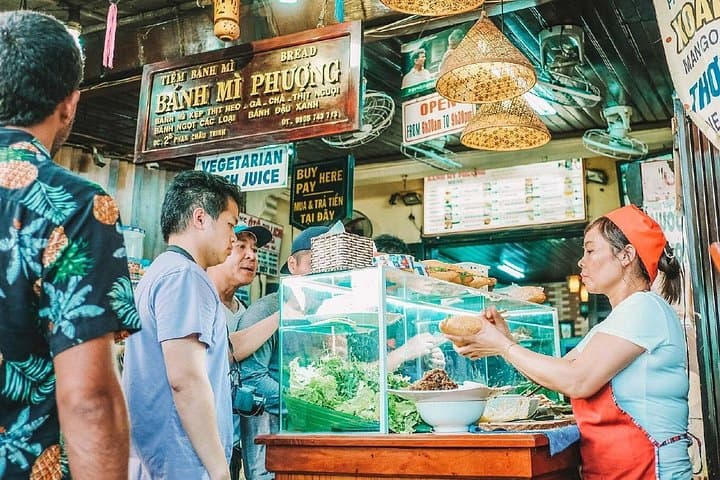
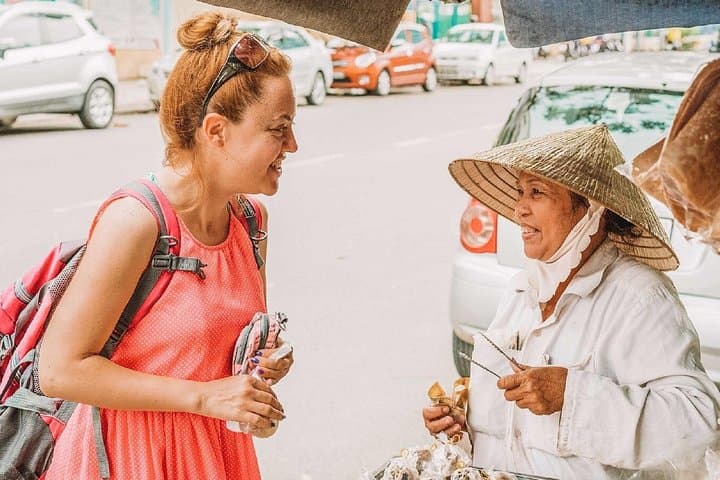
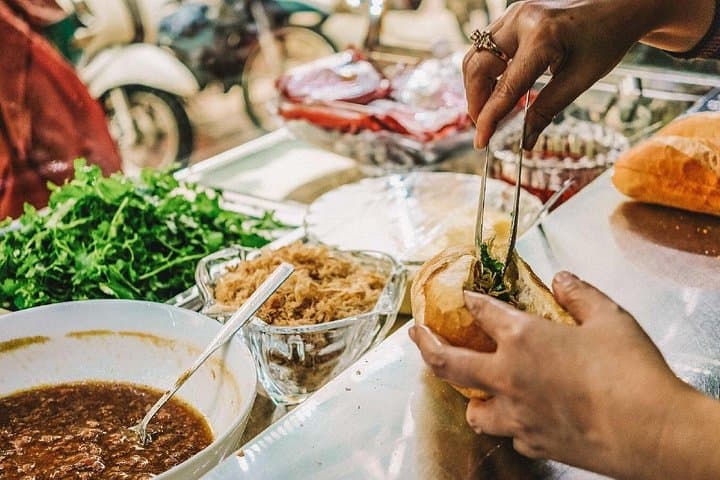
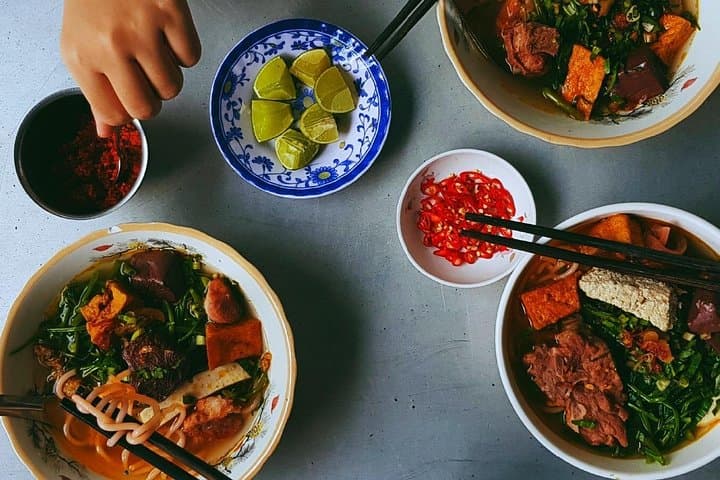
Lanterns still sway above narrow alleys; a local guide leads you toward a row of carts where bánh mì is folded and cao lầu bowls steam. The Thu Bồn River moves beside the town, daring you to slow down and notice the riverbank life—fishermen, kingfishers, and the pale flash of egrets.
Hoi An’s identity grew from its role as a trading port between the 15th and 19th centuries. Multicultural architecture—Chinese assembly halls, a Japanese covered bridge, and French colonial facades—frames a cuisine shaped by Chinese, Japanese, Cham, and Vietnamese influences. Geologically, the town sits on an alluvial plain where river sediments helped create fertile rice paddies that still feed the local palate.
Over five hours you’ll sample four dishes: classic bánh mì, the region’s signature cao lầu, Hoi An’s spiced com ga, and delicate white rose dumplings, finished with che or a local beer. Small groups (max 9) and hotel pickup keep the experience easy and local-focused.
Practical guidance: wear comfortable shoes for flat, sometimes uneven pavement, carry small bills (VND) for vendor purchases or tips, and flag dietary restrictions in advance—many stalls can adjust spice and protein. Bring a lightweight rain layer during the summer monsoon and hydrate; bottled water is provided. The route is gentle and largely accessible, but not recommended for those with serious spinal or cardiovascular conditions.
Tours typically depart from Da Nang with hotel pickup and then visit Hoi An; you can also join from Hoi An if arranged in advance.
Yes—many stops can substitute proteins or focus on vegetable-based dishes if you notify the operator before the tour.
Expect light walking totaling roughly 1.5–5 km over paved streets and alleys with frequent food stops and seating options.
Bottled water is included; dessert che is part of the tasting but alcoholic drinks like beer may be offered as an alternative at some stops.
TripGuru operates guided outdoor trips and adventures with an emphasis on safety, stewardship, and memorable experiences.
The morning air in Hoi An tastes of citrus and frying oil as the group steps from an air‑conditioned minivan into the low-slung streets of the old port.
The morning air in Hoi An tastes of citrus and frying oil as the group steps from an air‑conditioned minivan into the low-slung streets of the old port.
Lanterns still sway above narrow alleys; a local guide leads you toward a row of carts where bánh mì is folded and cao lầu bowls steam. The Thu Bồn River moves beside the town, daring you to slow down and notice the riverbank life—fishermen, kingfishers, and the pale flash of egrets.
Hoi An’s identity grew from its role as a trading port between the 15th and 19th centuries. Multicultural architecture—Chinese assembly halls, a Japanese covered bridge, and French colonial facades—frames a cuisine shaped by Chinese, Japanese, Cham, and Vietnamese influences. Geologically, the town sits on an alluvial plain where river sediments helped create fertile rice paddies that still feed the local palate.
Over five hours you’ll sample four dishes: classic bánh mì, the region’s signature cao lầu, Hoi An’s spiced com ga, and delicate white rose dumplings, finished with che or a local beer. Small groups (max 9) and hotel pickup keep the experience easy and local-focused.
Practical guidance: wear comfortable shoes for flat, sometimes uneven pavement, carry small bills (VND) for vendor purchases or tips, and flag dietary restrictions in advance—many stalls can adjust spice and protein. Bring a lightweight rain layer during the summer monsoon and hydrate; bottled water is provided. The route is gentle and largely accessible, but not recommended for those with serious spinal or cardiovascular conditions.
