THE ADVENTURE COLLECTIVE® · Independent discovery and booking for outdoor travel

A compressed, well-paced 14-day circuit through Peru’s coastal desert, high Andes and cloud forest—see the Nazca Lines from the air, ride reed boats on Lake Titicaca, and hike the short Inca Trail to Machu Picchu. Practical advice for acclimatizing and packing included.
A compressed, well-paced 14-day circuit through Peru’s coastal desert, high Andes and cloud forest—see the Nazca Lines from the air, ride reed boats on Lake Titicaca, and hike the short Inca Trail to Machu Picchu. Practical advice for acclimatizing and packing included.
You step off the plane into Lima’s warm coastal air and the road already pulls you south—toward desert lines drawn across a plain, and upward into a highland world where condors hug thermal lifts.
Verified experiences and guided adventures in the surrounding area.
Operated by Peru Expeditions Tours · Lima, Lima
You step off the plane into Lima’s warm coastal air and the road already pulls you south—toward desert lines drawn across a plain, and upward into a highland world where condors hug thermal lifts.
This 14-day route stitches Peru’s dramatic chapters: the etched Nazca geoglyphs (some figures span 300–370 m), the Pacific dunes of Huacachina, the volcanic skyline around Arequipa and Colca Canyon (lookouts drop nearly 4,000 ft), the reed-made Uros islands floating on Lake Titicaca, and the cloud-forested approach to Machu Picchu via the short Inca Trail (max 2,732 m at Wiñay Wayna).
You’ll feel the geology shift underfoot—coastal sand and marine terraces give way to volcanic rock and high Andean plateaus. The cultural throughline is as strong: pre-Inca and Inca agricultural terraces, colonial churches in Cusco and Arequipa, and living textile traditions on Taquile.
Practical notes are simple but essential: allow time to acclimatize in Puno or Cusco (Cusco ~3,400 m), carry cash for local markets, and expect a mix of travel modes—short flights (Cessna over Nazca), long scenic drives, trains through the Sacred Valley, and several short hikes (the Inca Trail day is ~6–7 hours with stairs and uneven stone paths).
Footwear should be sturdy; layers handle coastal sun and thin, cold mountain nights; hydration and slow pacing are the best defenses against altitude. With firm planning and modest exertion, this itinerary delivers Peruvian highlights in a compact, well-paced arc.
No technical experience is required, but expect uphill sections, stone steps and a 6–7 hour day; basic fitness and comfortable hiking shoes are recommended.
Ascend gradually when possible, stay hydrated, avoid alcohol, rest on arrival days, and consider coca tea or acetazolamide after consulting your physician.
Flights depend on weather and aircraft availability; operators use small Cessna-type planes and the experience can be bumpy—book early and be flexible.
Yes—Uros islands and Taquile visits use stable boats and basic life jackets; swimming is not required and guides assist with docking at reed platforms.
Peru Expeditions Tours operates guided outdoor trips and adventures with an emphasis on safety, stewardship, and memorable experiences.

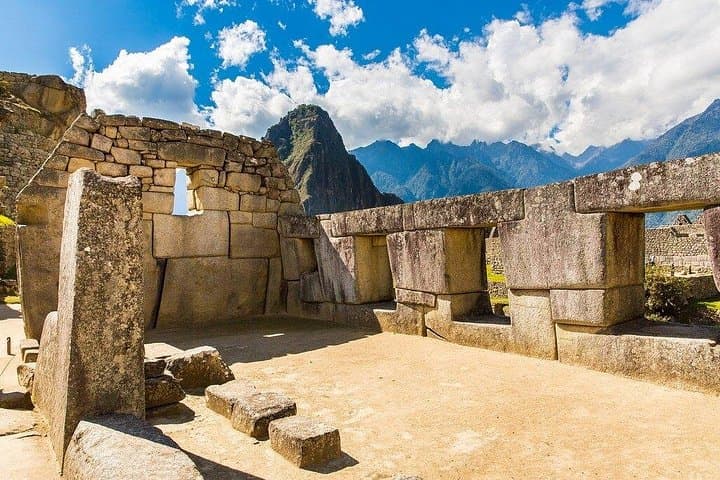


You step off the plane into Lima’s warm coastal air and the road already pulls you south—toward desert lines drawn across a plain, and upward into a highland world where condors hug thermal lifts.
You step off the plane into Lima’s warm coastal air and the road already pulls you south—toward desert lines drawn across a plain, and upward into a highland world where condors hug thermal lifts.
This 14-day route stitches Peru’s dramatic chapters: the etched Nazca geoglyphs (some figures span 300–370 m), the Pacific dunes of Huacachina, the volcanic skyline around Arequipa and Colca Canyon (lookouts drop nearly 4,000 ft), the reed-made Uros islands floating on Lake Titicaca, and the cloud-forested approach to Machu Picchu via the short Inca Trail (max 2,732 m at Wiñay Wayna).
You’ll feel the geology shift underfoot—coastal sand and marine terraces give way to volcanic rock and high Andean plateaus. The cultural throughline is as strong: pre-Inca and Inca agricultural terraces, colonial churches in Cusco and Arequipa, and living textile traditions on Taquile.
Practical notes are simple but essential: allow time to acclimatize in Puno or Cusco (Cusco ~3,400 m), carry cash for local markets, and expect a mix of travel modes—short flights (Cessna over Nazca), long scenic drives, trains through the Sacred Valley, and several short hikes (the Inca Trail day is ~6–7 hours with stairs and uneven stone paths).
Footwear should be sturdy; layers handle coastal sun and thin, cold mountain nights; hydration and slow pacing are the best defenses against altitude. With firm planning and modest exertion, this itinerary delivers Peruvian highlights in a compact, well-paced arc.