THE ADVENTURE COLLECTIVE® · Independent discovery and booking for outdoor travel

This nine-day loop moves from Lima’s coast through the Sacred Valley to Machu Picchu and Lake Titicaca, combining archaeology, high-Andean scenery, and living cultural encounters. Expect long travel days, high-altitude stretches, and must-book train and sanctuary tickets.
This nine-day loop moves from Lima’s coast through the Sacred Valley to Machu Picchu and Lake Titicaca, combining archaeology, high-Andean scenery, and living cultural encounters. Expect long travel days, high-altitude stretches, and must-book train and sanctuary tickets.
You step off the bus and the Andes take over: jagged ridgelines cut the sky, wind pushing you uphill like a blunt reminder that elevation matters. Over nine days you move from Lima’s Pacific edge to Machu Picchu’s cloud-scraped terraces and finally the wide, slow breath of Lake Titicaca, where totora reeds bob like small citizens on the water.
Verified experiences and guided adventures in the surrounding area.
Operated by Rap Travel Peru · Cusco, Cusco Region
You step off the bus and the Andes take over: jagged ridgelines cut the sky, wind pushing you uphill like a blunt reminder that elevation matters. Over nine days you move from Lima’s Pacific edge to Machu Picchu’s cloud-scraped terraces and finally the wide, slow breath of Lake Titicaca, where totora reeds bob like small citizens on the water.
The route stitches together pre-Columbian and colonial history — Huaca Pucllana’s adobe remains in Lima, the Inca stonework of Sacsayhuamán and Ollantaytambo, and the living reed islands of the Uros. Geologically, the trip traces Peru’s transition from coastal desert to high Andean plateau: coastal cliffs and dunes give way to volcanic and glacially carved valleys, then the broad altiplano above 3,800 m.
Culture here is tactile: market bargaining in Pisac, the handwoven textiles of Taquile, and the ancestral rhythms that anchor communities along the Ruta del Sol. Local guides often share stories about agricultural terraces and water control that make the landscape legible.
Practical guidance: expect a steady tempo—long drives, a train segment to Aguas Calientes, and a guided window at Machu Picchu. Prioritize acclimatization in Cusco, drink water, and move conservatively at Paso de la Raya. Footwear should handle cobbled streets and uneven Inca steps; a light rain shell and sun protection are non-negotiable. Reserve train and Machu Picchu tickets in advance and pack a daypack for early morning visits. With moderate fitness and a readiness for high-altitude days, this itinerary delivers a layered portrait of Peru’s landscapes and living history.
Yes — Cusco sits around 3,400 m; allowing 24–48 hours to acclimate reduces altitude sickness risk before heavy activity.
This itinerary includes a train segment from Ollantaytambo to Aguas Calientes—confirm class and schedule at booking to secure seats.
Boats between Puno, Uros, and Taquile are generally stable but can be chilly and windy; layering and mobility considerations are advised.
Carry Peruvian soles for small purchases and tips; tipping guides and drivers is customary (5–10% or local guidance).
Rap Travel Peru operates guided outdoor trips and adventures with an emphasis on safety, stewardship, and memorable experiences.


You step off the bus and the Andes take over: jagged ridgelines cut the sky, wind pushing you uphill like a blunt reminder that elevation matters. Over nine days you move from Lima’s Pacific edge to Machu Picchu’s cloud-scraped terraces and finally the wide, slow breath of Lake Titicaca, where totora reeds bob like small citizens on the water.
You step off the bus and the Andes take over: jagged ridgelines cut the sky, wind pushing you uphill like a blunt reminder that elevation matters. Over nine days you move from Lima’s Pacific edge to Machu Picchu’s cloud-scraped terraces and finally the wide, slow breath of Lake Titicaca, where totora reeds bob like small citizens on the water.
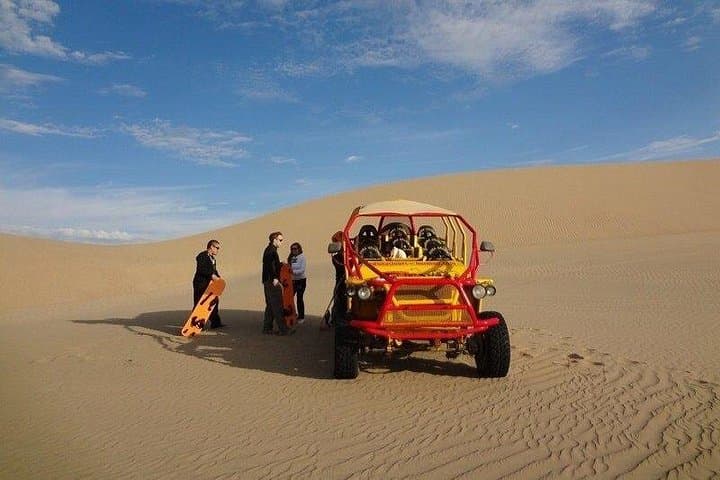
The route stitches together pre-Columbian and colonial history — Huaca Pucllana’s adobe remains in Lima, the Inca stonework of Sacsayhuamán and Ollantaytambo, and the living reed islands of the Uros. Geologically, the trip traces Peru’s transition from coastal desert to high Andean plateau: coastal cliffs and dunes give way to volcanic and glacially carved valleys, then the broad altiplano above 3,800 m.
Culture here is tactile: market bargaining in Pisac, the handwoven textiles of Taquile, and the ancestral rhythms that anchor communities along the Ruta del Sol. Local guides often share stories about agricultural terraces and water control that make the landscape legible.
Practical guidance: expect a steady tempo—long drives, a train segment to Aguas Calientes, and a guided window at Machu Picchu. Prioritize acclimatization in Cusco, drink water, and move conservatively at Paso de la Raya. Footwear should handle cobbled streets and uneven Inca steps; a light rain shell and sun protection are non-negotiable. Reserve train and Machu Picchu tickets in advance and pack a daypack for early morning visits. With moderate fitness and a readiness for high-altitude days, this itinerary delivers a layered portrait of Peru’s landscapes and living history.