THE ADVENTURE COLLECTIVE® · Independent discovery and booking for outdoor travel

Ride the scenic train from Nice to the Estérel coast and step onto trails that weave red volcanic cliffs, hidden coves and wartime beaches. This full-day, sporty excursion blends geology, WWII history and seaside villages with optional sea activities.
Ride the scenic train from Nice to the Estérel coast and step onto trails that weave red volcanic cliffs, hidden coves and wartime beaches. This full-day, sporty excursion blends geology, WWII history and seaside villages with optional sea activities.
The train slides around a peninsula of red rock and scrub, doors opening to salt air and the small clack of luggage on stone platforms. Walkers step straight from rail into a coastline where ochre cliffs plunge into Mediterranean blue and pine-scented paths thread between ancient quarries and hidden coves.
Verified experiences and guided adventures in the surrounding area.
Operated by Nice Creative Tours · Théoule-sur-Mer, Provence-Alpes-Côte d'Azur
The train slides around a peninsula of red rock and scrub, doors opening to salt air and the small clack of luggage on stone platforms. Walkers step straight from rail into a coastline where ochre cliffs plunge into Mediterranean blue and pine-scented paths thread between ancient quarries and hidden coves.
This route stitches geology and history: the iron-rich Estérel massif of volcanic origin gives the coast its rust-red cliffs, while quiet beaches near Dramont recall the Allied landings of 1944. Fishing ports like La Napoule keep a working harbor culture; the restored Château de La Napoule adds art-house history amid palm-shaded promenades.
Expect a day built around short coastal hikes (7–20 km depending on chosen loops), swims at sheltered bays, and village stops for a picnic of seasonal, local produce. Trails range from flat seaside promenades to steep, exposed sections with 600–1,200 feet of cumulative ascent; footing is often rocky and uneven.
Practical guidance: arrive on the morning train from Nice or Cannes and verify return times—this is a long, full day (10–11 hours with options). Bring 1.5–2 liters of water, grippy hiking shoes, sun protection and a compact wind layer for sea breezes. If you want kayaking, snorkeling or diving, pre-book options; the guide can arrange extras but availability varies by group.
Timing: spring and fall offer cooler hiking conditions, summer brings sea bathing, and winter walks are milder but windier. The tour suits fit hikers comfortable on mixed terrain and eager to trade crowds for dramatic coastal geology and wartime history.
Routes vary by option: expect 7–20 km (4–12 miles) of walking during the day, with shorter or longer loops depending on group choices.
Basic tour includes train, guide and picnic; kayaking, paddleboarding and diving are optional extras that must be requested in advance and may carry additional fees.
This is a sporty tour not recommended for those with back, heart or pregnancy restrictions; steep, rocky sections make it unsuitable for limited mobility or very young children.
Return train tickets are included in the tour package; confirm meeting times and carry a mobile or printed voucher as instructed.
Nice Creative Tours operates guided outdoor trips and adventures with an emphasis on safety, stewardship, and memorable experiences.
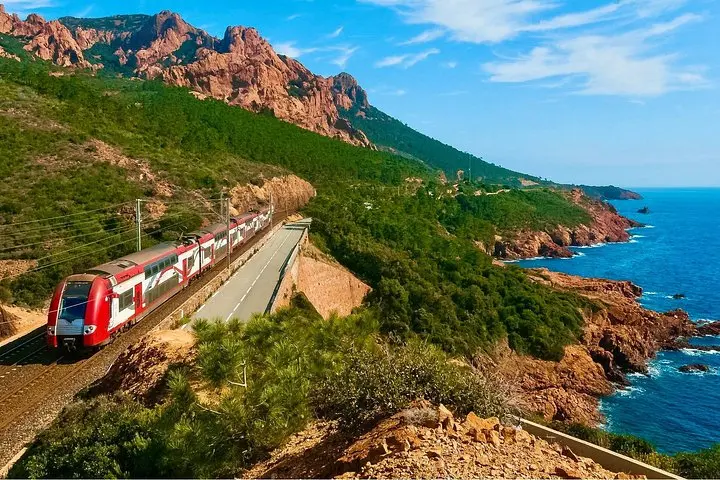
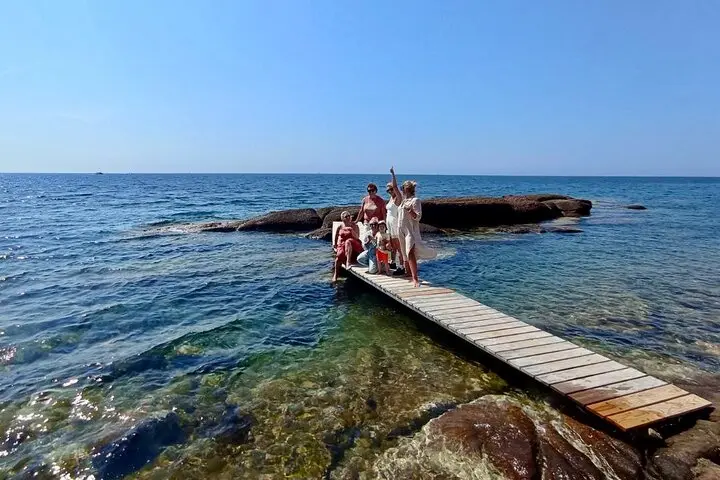
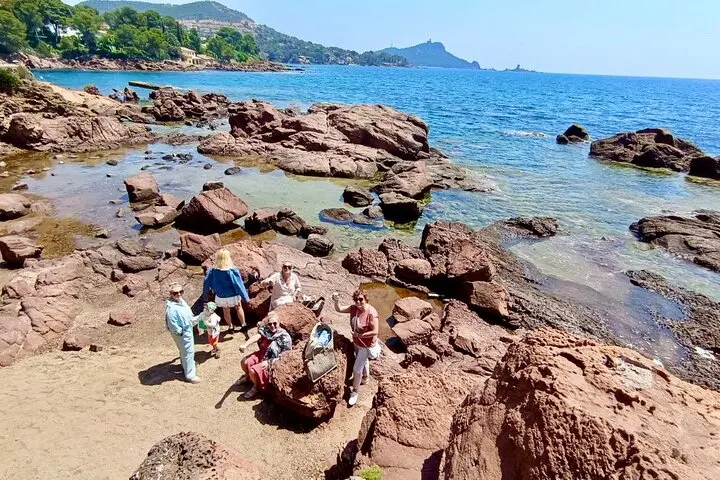
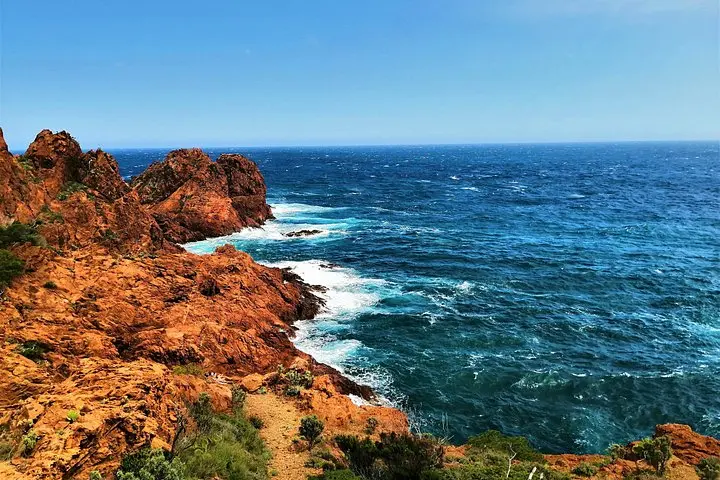
The train slides around a peninsula of red rock and scrub, doors opening to salt air and the small clack of luggage on stone platforms. Walkers step straight from rail into a coastline where ochre cliffs plunge into Mediterranean blue and pine-scented paths thread between ancient quarries and hidden coves.
The train slides around a peninsula of red rock and scrub, doors opening to salt air and the small clack of luggage on stone platforms. Walkers step straight from rail into a coastline where ochre cliffs plunge into Mediterranean blue and pine-scented paths thread between ancient quarries and hidden coves.
This route stitches geology and history: the iron-rich Estérel massif of volcanic origin gives the coast its rust-red cliffs, while quiet beaches near Dramont recall the Allied landings of 1944. Fishing ports like La Napoule keep a working harbor culture; the restored Château de La Napoule adds art-house history amid palm-shaded promenades.
Expect a day built around short coastal hikes (7–20 km depending on chosen loops), swims at sheltered bays, and village stops for a picnic of seasonal, local produce. Trails range from flat seaside promenades to steep, exposed sections with 600–1,200 feet of cumulative ascent; footing is often rocky and uneven.
Practical guidance: arrive on the morning train from Nice or Cannes and verify return times—this is a long, full day (10–11 hours with options). Bring 1.5–2 liters of water, grippy hiking shoes, sun protection and a compact wind layer for sea breezes. If you want kayaking, snorkeling or diving, pre-book options; the guide can arrange extras but availability varies by group.
Timing: spring and fall offer cooler hiking conditions, summer brings sea bathing, and winter walks are milder but windier. The tour suits fit hikers comfortable on mixed terrain and eager to trade crowds for dramatic coastal geology and wartime history.