THE ADVENTURE COLLECTIVE® · Independent discovery and booking for outdoor travel

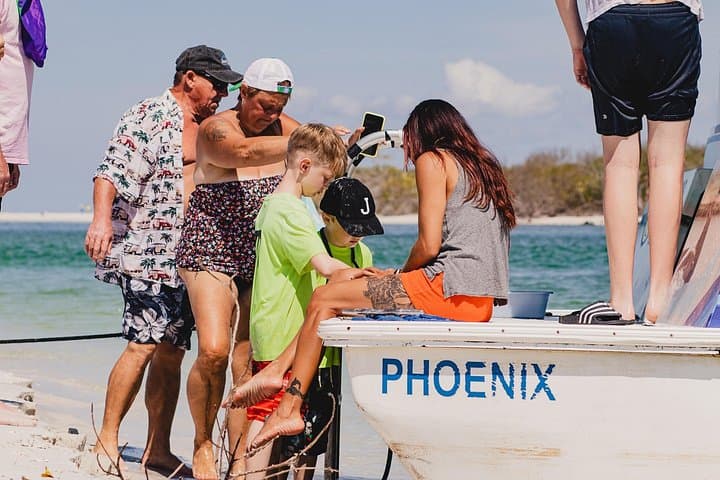
Board a small-group cruise from Snook Bight Marina for three hours of dolphin watching, guided natural history, and an island stop for shelling at Hickory Island State Preserve. Learn local ecology while enjoying on-board comforts and plenty of viewing space.
Board a small-group cruise from Snook Bight Marina for three hours of dolphin watching, guided natural history, and an island stop for shelling at Hickory Island State Preserve. Learn local ecology while enjoying on-board comforts and plenty of viewing space.
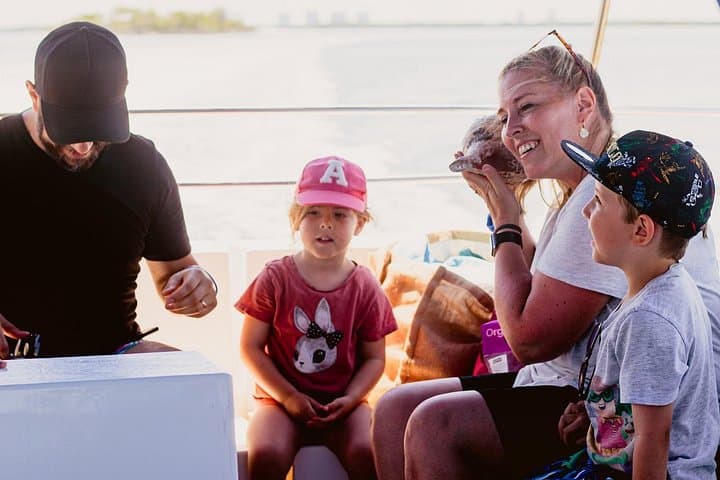
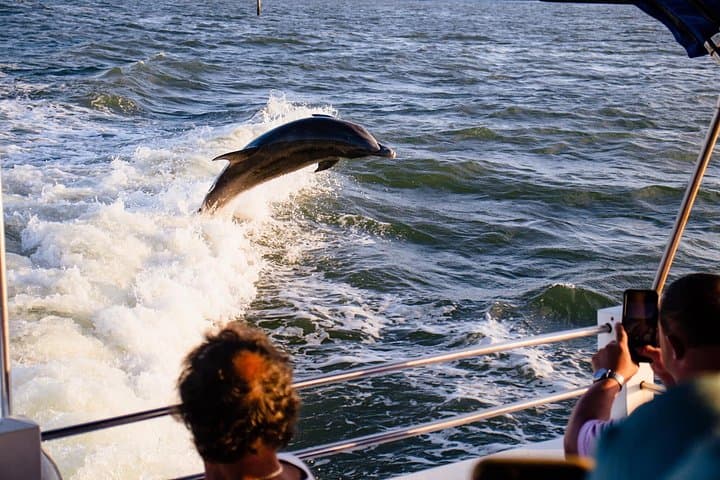
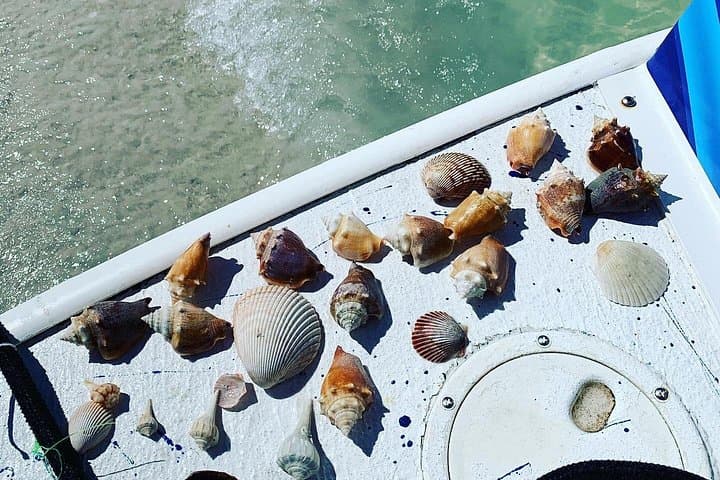
You push off from a low dock behind the Publix at Snook Bight Marina and the salt air snaps awake. The boat eases into Estero Bay, mangrove-lined channels giving way to wider shallows where dolphins arc and birds quarter the surface. For three hours a certified naturalist narrates—pointing out feeding pods, tidal flats littered with conchs and small, shelled surprises, and the weathered shell ridges left by long-ago currents.
Verified experiences and guided adventures in the surrounding area.
Operated by Good Time Charters and Tours · Fort Myers Beach, Florida
You push off from a low dock behind the Publix at Snook Bight Marina and the salt air snaps awake. The boat eases into Estero Bay, mangrove-lined channels giving way to wider shallows where dolphins arc and birds quarter the surface. For three hours a certified naturalist narrates—pointing out feeding pods, tidal flats littered with conchs and small, shelled surprises, and the weathered shell ridges left by long-ago currents.
Estero Bay sits on a limestone shelf carved by ancient seas; its shallow flats and barrier islands—Hickory Island State Preserve among them—are the product of sea-level shifts and sediment from the Caloosahatchee watershed. The region’s human story runs from Calusa fishing camps to 20th-century coastal development, with a modern conservation culture focused on marine habitat protection and responsible shelling.
Expect a mix of sandy island time and on-board wildlife watching. Dolphins are common; manatees and shorebirds appear seasonally. Guides describe ecology and answer questions, and restrooms are available on board for comfort.
Practical guidance: arrive 15 minutes early, bring reef-safe sunscreen and a hat, and use polarized sunglasses for sighting wildlife. Shelling etiquette matters—only take empty, uninhabited shells and avoid dune vegetation. Morning departures often mean calmer water and cooler temperatures; afternoons can bring sea breeze and pop-up showers. Small-group capacity keeps viewing unobstructed, but wildlife is never guaranteed—this trip blends predictable comforts with unpredictable nature.
The tour runs three hours, includes a guided naturalist commentary, an hour ashore at a barrier island for shelling, and restroom facilities on board.
Dolphins are frequently seen in Estero Bay and often appear during the trip, but wildlife is never guaranteed—sightings depend on conditions and animal movement.
The tour notes wheelchair accessibility; contact the operator ahead of time to arrange any assistance for boarding or mobility needs.
Yes—collect empty, uninhabited shells above the high-tide line only; avoid live shells and dune vegetation, and follow guide instructions and local regulations.
Good Time Charters and Tours operates guided outdoor trips and adventures with an emphasis on safety, stewardship, and memorable experiences.
You push off from a low dock behind the Publix at Snook Bight Marina and the salt air snaps awake. The boat eases into Estero Bay, mangrove-lined channels giving way to wider shallows where dolphins arc and birds quarter the surface. For three hours a certified naturalist narrates—pointing out feeding pods, tidal flats littered with conchs and small, shelled surprises, and the weathered shell ridges left by long-ago currents.
You push off from a low dock behind the Publix at Snook Bight Marina and the salt air snaps awake. The boat eases into Estero Bay, mangrove-lined channels giving way to wider shallows where dolphins arc and birds quarter the surface. For three hours a certified naturalist narrates—pointing out feeding pods, tidal flats littered with conchs and small, shelled surprises, and the weathered shell ridges left by long-ago currents.
Estero Bay sits on a limestone shelf carved by ancient seas; its shallow flats and barrier islands—Hickory Island State Preserve among them—are the product of sea-level shifts and sediment from the Caloosahatchee watershed. The region’s human story runs from Calusa fishing camps to 20th-century coastal development, with a modern conservation culture focused on marine habitat protection and responsible shelling.
Expect a mix of sandy island time and on-board wildlife watching. Dolphins are common; manatees and shorebirds appear seasonally. Guides describe ecology and answer questions, and restrooms are available on board for comfort.
Practical guidance: arrive 15 minutes early, bring reef-safe sunscreen and a hat, and use polarized sunglasses for sighting wildlife. Shelling etiquette matters—only take empty, uninhabited shells and avoid dune vegetation. Morning departures often mean calmer water and cooler temperatures; afternoons can bring sea breeze and pop-up showers. Small-group capacity keeps viewing unobstructed, but wildlife is never guaranteed—this trip blends predictable comforts with unpredictable nature.