THE ADVENTURE COLLECTIVE® · Independent discovery and booking for outdoor travel

Spend two days trekking Gunung Leuser from Bukit Lawang, camping by the river and seeking Sumatran orangutans with certified local guides. This ethical, community-focused trip balances full-day jungle walks with simple camp comforts and a river return option.
Spend two days trekking Gunung Leuser from Bukit Lawang, camping by the river and seeking Sumatran orangutans with certified local guides. This ethical, community-focused trip balances full-day jungle walks with simple camp comforts and a river return option.
You step off the dirt road in Bukit Lawang and the air thickens with green — heat, wet earth, and the distant squeal of primates. A licensed local guide tugs your attention to a rustle high in the canopy; for a moment the jungle freezes you in place, the orangutans’ slow, deliberate movement reading like a living watch.
Verified experiences and guided adventures in the surrounding area.
Operated by Sumatra Orang Utan Treks · Bukit Lawang, North Sumatra
You step off the dirt road in Bukit Lawang and the air thickens with green — heat, wet earth, and the distant squeal of primates. A licensed local guide tugs your attention to a rustle high in the canopy; for a moment the jungle freezes you in place, the orangutans’ slow, deliberate movement reading like a living watch.
Gunung Leuser National Park began as a conservation response to heavy logging and plantation pressure; its steep ridges and river valleys are carved from ancient volcanic soils and sedimentary layers. The Bukit Lawang corridor is both cultural and ecological: small Batak and Malay villages line the Bohorok River and run community lodges that have shifted from extractive economies toward guiding and education.
Over two days you’ll walk 5–7 hours each day on uneven jungle trails, cross small streams, and camp beside a tributary in dome tents. The terrain alternates between packed soil, muddy sections and root-strewn climbs; the forest breathes humidity and odors of wet leaves, and the river insists you cool off at day’s end.
Practical note: expect basic camping with communal meals, mosquito protection, and guides who prioritize ethical sightings — no feeding, minimal noise, and permit-backed access. Carry water treatment, good ankle-support boots, and a lightweight rain shell; mornings and late afternoons are best for wildlife viewing. If you want a gentler exit, opt for the traditional tube-raft on the return river leg. This trek pairs close wildlife encounters with community benefit — an active, low-impact way to experience Sumatra’s rainforest while supporting local conservation.
Guides use local knowledge and permits to maximize sightings, but wildlife is never guaranteed; early morning and late afternoon are the most active times.
You camp in dome tents beside a small river; organizers provide basic sleeping mats and shared meal service—bring a sleeping liner for extra comfort.
Yes; operators describe it as accessible to most fitness levels, though participants should be ready for long, humid days on uneven terrain.
Yes; the itinerary offers an optional traditional tube raft downriver (usually for an extra fee) as an alternative to walking back to Bukit Lawang.
Sumatra Orang Utan Treks operates guided outdoor trips and adventures with an emphasis on safety, stewardship, and memorable experiences.

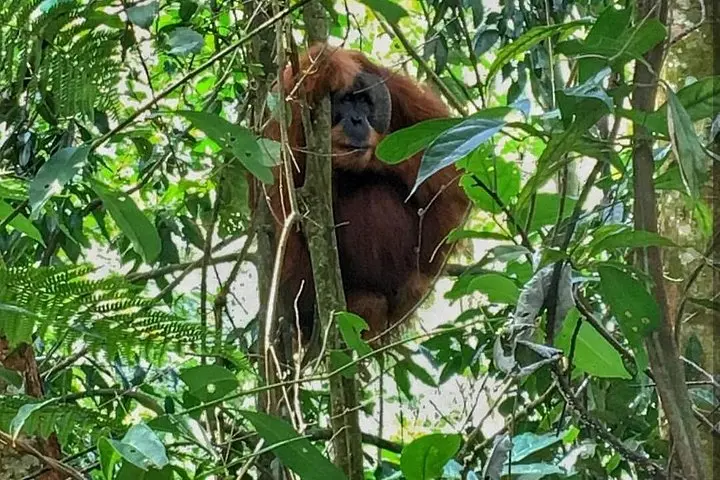

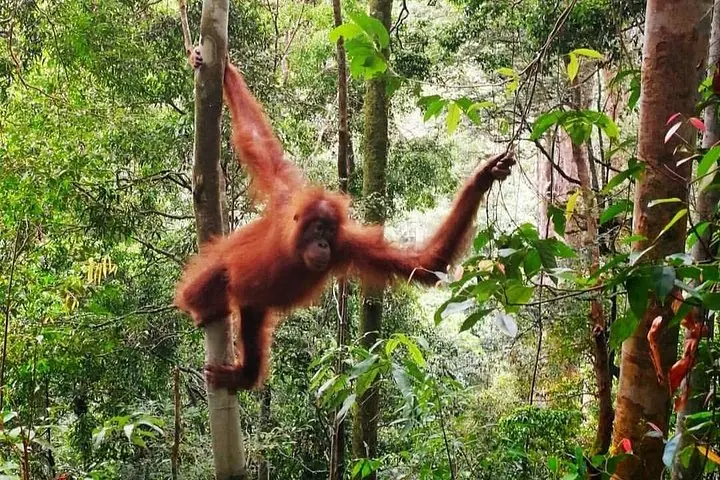
You step off the dirt road in Bukit Lawang and the air thickens with green — heat, wet earth, and the distant squeal of primates. A licensed local guide tugs your attention to a rustle high in the canopy; for a moment the jungle freezes you in place, the orangutans’ slow, deliberate movement reading like a living watch.
You step off the dirt road in Bukit Lawang and the air thickens with green — heat, wet earth, and the distant squeal of primates. A licensed local guide tugs your attention to a rustle high in the canopy; for a moment the jungle freezes you in place, the orangutans’ slow, deliberate movement reading like a living watch.
Gunung Leuser National Park began as a conservation response to heavy logging and plantation pressure; its steep ridges and river valleys are carved from ancient volcanic soils and sedimentary layers. The Bukit Lawang corridor is both cultural and ecological: small Batak and Malay villages line the Bohorok River and run community lodges that have shifted from extractive economies toward guiding and education.
Over two days you’ll walk 5–7 hours each day on uneven jungle trails, cross small streams, and camp beside a tributary in dome tents. The terrain alternates between packed soil, muddy sections and root-strewn climbs; the forest breathes humidity and odors of wet leaves, and the river insists you cool off at day’s end.
Practical note: expect basic camping with communal meals, mosquito protection, and guides who prioritize ethical sightings — no feeding, minimal noise, and permit-backed access. Carry water treatment, good ankle-support boots, and a lightweight rain shell; mornings and late afternoons are best for wildlife viewing. If you want a gentler exit, opt for the traditional tube-raft on the return river leg. This trek pairs close wildlife encounters with community benefit — an active, low-impact way to experience Sumatra’s rainforest while supporting local conservation.