THE ADVENTURE COLLECTIVE® · Independent discovery and booking for outdoor travel

Spend a day observing rescued elephants at Ran-Tong Save & Rescue in Mae Taeng. This hands-off, educational experience emphasizes welfare, natural behaviors, and support for conservation — no riding, no shows.
Spend a day observing rescued elephants at Ran-Tong Save & Rescue in Mae Taeng. This hands-off, educational experience emphasizes welfare, natural behaviors, and support for conservation — no riding, no shows.
You arrive before the midday heat, stepping from an air-conditioned minivan into a patchwork of bamboo groves and lowland forest where the elephants move with deliberate calm. The air smells of wet earth and banana; trunks lift and test the air as you change into traditional Karen-style mahout clothing and settle into the rhythm of observation rather than performance.
Verified experiences and guided adventures in the surrounding area.
Operated by Ran-Tong Save & Rescue Elephant Centre · Mae Taeng, Chiang Mai Province
You arrive before the midday heat, stepping from an air-conditioned minivan into a patchwork of bamboo groves and lowland forest where the elephants move with deliberate calm. The air smells of wet earth and banana; trunks lift and test the air as you change into traditional Karen-style mahout clothing and settle into the rhythm of observation rather than performance.
Ran-Tong sits in Mae Taeng, a district shaped by eroded hills and the Mae Taeng River’s narrow valleys, where logging and tourism histories intersect with Karen elephant-keeping traditions. The centre is part of Thailand’s more recent rescue movement that shifts elephants out of tourist spectacles and back toward social herds, veterinary care, and foraging routines.
Expect a day built around slow learning: prepping vitamin-enriched food, watching herd interactions, and walking with the animals on soft forest trails while guides explain behavior, histories of rescue, and the centre’s welfare-focused practices. Terrain is flat to gently rolling, often muddy after rain, with periods of standing observation and short, easy walks.
Practical guidance: wear shoes you don’t mind getting dirty, bring insect repellent and a dry change of clothes, and plan for sun and sudden showers. Photography is welcomed but keep a respectful distance when directed; avoid loud noises and sudden movements. The full-day program includes lunch, vehicle transfers from Chiang Mai, and wardrobe changes at the site — designed for low-impact, educational engagement that supports long-term care for the elephants.
No; Ran-Tong operates a hands-off observation program focused on welfare — riding and performances are not part of the experience.
Yes, it’s family-friendly and described as physically easy, but infants must sit on an adult’s lap during transfer and caregivers should ensure children follow safety guidelines.
Pickup from Chiang Mai is typically about a one-hour drive each way depending on traffic and your accommodation location.
The program proceeds in light rain but may be adjusted if conditions make walking unsafe; cancellation policies allow refunds up to 24 hours before departure.
Ran-Tong Save & Rescue Elephant Centre operates guided outdoor trips and adventures with an emphasis on safety, stewardship, and memorable experiences.
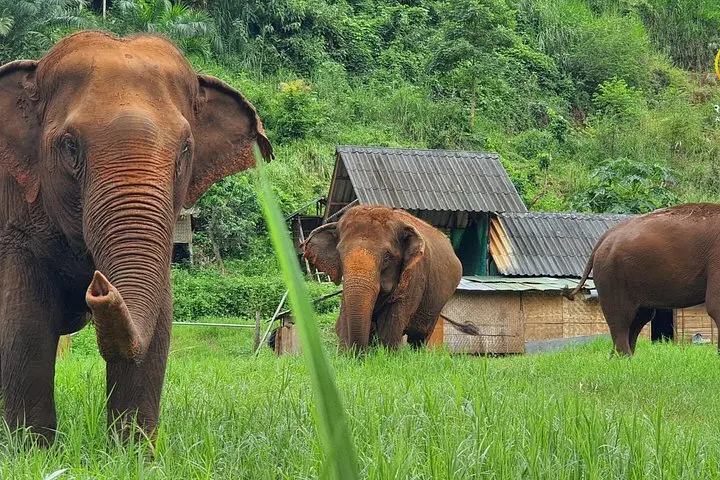
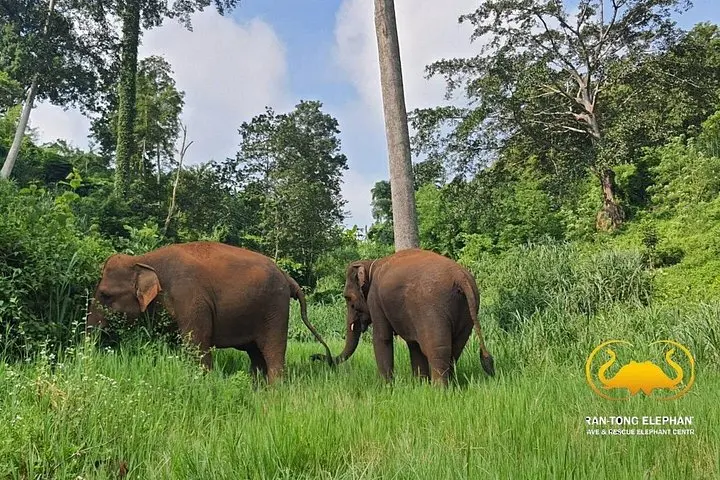
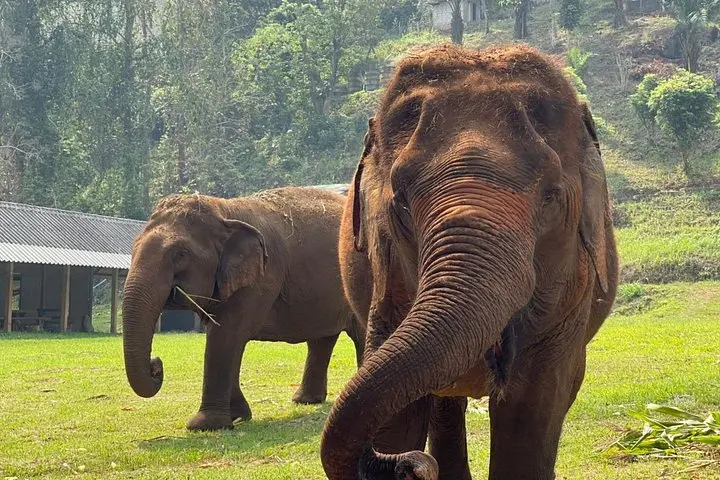
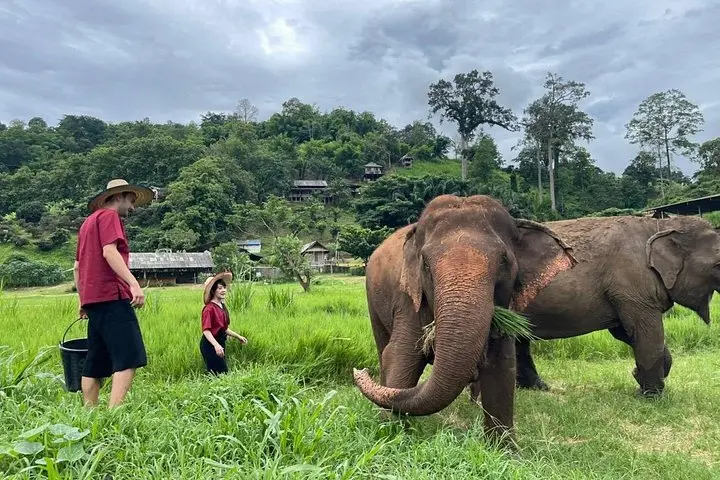
You arrive before the midday heat, stepping from an air-conditioned minivan into a patchwork of bamboo groves and lowland forest where the elephants move with deliberate calm. The air smells of wet earth and banana; trunks lift and test the air as you change into traditional Karen-style mahout clothing and settle into the rhythm of observation rather than performance.
You arrive before the midday heat, stepping from an air-conditioned minivan into a patchwork of bamboo groves and lowland forest where the elephants move with deliberate calm. The air smells of wet earth and banana; trunks lift and test the air as you change into traditional Karen-style mahout clothing and settle into the rhythm of observation rather than performance.
Ran-Tong sits in Mae Taeng, a district shaped by eroded hills and the Mae Taeng River’s narrow valleys, where logging and tourism histories intersect with Karen elephant-keeping traditions. The centre is part of Thailand’s more recent rescue movement that shifts elephants out of tourist spectacles and back toward social herds, veterinary care, and foraging routines.
Expect a day built around slow learning: prepping vitamin-enriched food, watching herd interactions, and walking with the animals on soft forest trails while guides explain behavior, histories of rescue, and the centre’s welfare-focused practices. Terrain is flat to gently rolling, often muddy after rain, with periods of standing observation and short, easy walks.
Practical guidance: wear shoes you don’t mind getting dirty, bring insect repellent and a dry change of clothes, and plan for sun and sudden showers. Photography is welcomed but keep a respectful distance when directed; avoid loud noises and sudden movements. The full-day program includes lunch, vehicle transfers from Chiang Mai, and wardrobe changes at the site — designed for low-impact, educational engagement that supports long-term care for the elephants.