THE ADVENTURE COLLECTIVE® · Independent discovery and booking for outdoor travel

Float down the Sekonyer on a traditional klotok for a full-day, low-impact wildlife cruise through Tanjung Puting National Park. Expect patient, up-close encounters with orangutans and proboscis monkeys, cultural stops in a riverside village, and practical advice for a responsible visit.
Float down the Sekonyer on a traditional klotok for a full-day, low-impact wildlife cruise through Tanjung Puting National Park. Expect patient, up-close encounters with orangutans and proboscis monkeys, cultural stops in a riverside village, and practical advice for a responsible visit.
Morning light cuts across the Sekonyer—warm, low and full of insect-song—when your klotok eases away from Kumai and into a slow-running corridor of jungle. The boat’s diesel hum and the slap of water keep time as riverbanks blur into mangrove roots and towering dipterocarps; every bend feels like a page turn.
Verified experiences and guided adventures in the surrounding area.
Operated by Ultimate World Development · Kumai (Pangkalan Bun), Central Kalimantan
Morning light cuts across the Sekonyer—warm, low and full of insect-song—when your klotok eases away from Kumai and into a slow-running corridor of jungle. The boat’s diesel hum and the slap of water keep time as riverbanks blur into mangrove roots and towering dipterocarps; every bend feels like a page turn.
Tanjung Puting National Park, established in 1977 on Borneo’s south-central coast, protects peat swamp forest that formed over millennia atop raised peat and alluvial sediments. Local Dayak and river communities have long used these channels for transport and fishing; today small klotoks offer the least-invasive way to observe arboreal wildlife without disturbing core habitat.
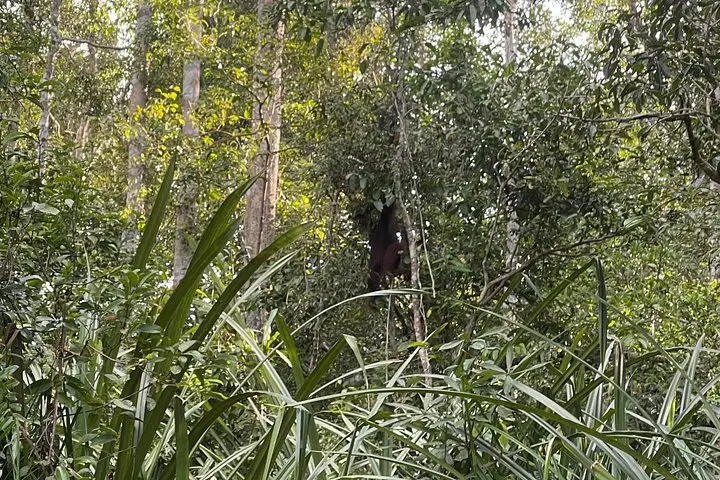
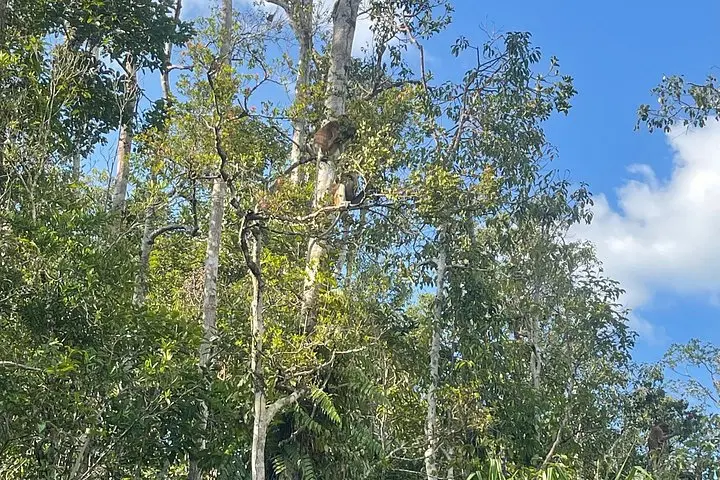
Expect patient wildlife watching rather than guaranteed sightings: wild orangutans, proboscis monkeys, water birds and the occasional estuarine crocodile appear from the foliage or river edge. Guides will point out feeding platforms, interpret animal behavior, and explain local conservation efforts that link village livelihoods to protected forest.
Practicalities: the full outing runs roughly nine hours including transfers—plan for 3–4 hours cruising, plus village time and boat transfers. There’s minimal walking and no elevation gain; footwear should be slip-resistant for wet gangways. Bring sun protection, insect repellent, binoculars and a water-resistant daypack. Cash is useful in the small village stop.
This is a low-impact, educational river trip: travel slowly, keep voices down, and follow guide instructions to minimize disturbance. With patience and a steady pair of optics, the river rewards close-up views of species that still rely on these quiet channels to survive.
No—sightings are common but not guaranteed; the trip emphasizes ethical, non-invasive viewing and relies on patient observation and guide expertise.
Yes—tour descriptions note it’s physically easy; infants must sit on an adult’s lap during transfers and on the boat, and supervision is required on decks.
Guides typically speak basic English and Indonesian; private transport and the river cruise are included—bring snacks and small cash for village purchases.
Guides manage safe viewing distances; crocodiles rarely pose a threat if you remain on the boat or follow guide rules during shore stops.
Ultimate World Development operates guided outdoor trips and adventures with an emphasis on safety, stewardship, and memorable experiences.
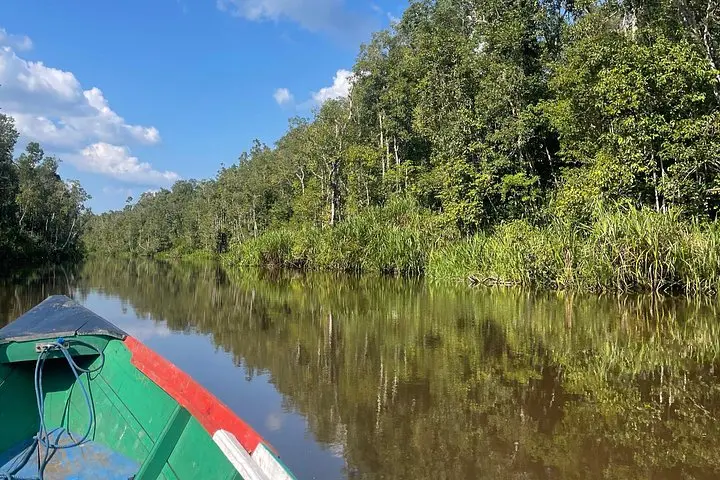
Morning light cuts across the Sekonyer—warm, low and full of insect-song—when your klotok eases away from Kumai and into a slow-running corridor of jungle. The boat’s diesel hum and the slap of water keep time as riverbanks blur into mangrove roots and towering dipterocarps; every bend feels like a page turn.
Morning light cuts across the Sekonyer—warm, low and full of insect-song—when your klotok eases away from Kumai and into a slow-running corridor of jungle. The boat’s diesel hum and the slap of water keep time as riverbanks blur into mangrove roots and towering dipterocarps; every bend feels like a page turn.
Tanjung Puting National Park, established in 1977 on Borneo’s south-central coast, protects peat swamp forest that formed over millennia atop raised peat and alluvial sediments. Local Dayak and river communities have long used these channels for transport and fishing; today small klotoks offer the least-invasive way to observe arboreal wildlife without disturbing core habitat.
Expect patient wildlife watching rather than guaranteed sightings: wild orangutans, proboscis monkeys, water birds and the occasional estuarine crocodile appear from the foliage or river edge. Guides will point out feeding platforms, interpret animal behavior, and explain local conservation efforts that link village livelihoods to protected forest.
Practicalities: the full outing runs roughly nine hours including transfers—plan for 3–4 hours cruising, plus village time and boat transfers. There’s minimal walking and no elevation gain; footwear should be slip-resistant for wet gangways. Bring sun protection, insect repellent, binoculars and a water-resistant daypack. Cash is useful in the small village stop.
This is a low-impact, educational river trip: travel slowly, keep voices down, and follow guide instructions to minimize disturbance. With patience and a steady pair of optics, the river rewards close-up views of species that still rely on these quiet channels to survive.