THE ADVENTURE COLLECTIVE® · Independent discovery and booking for outdoor travel

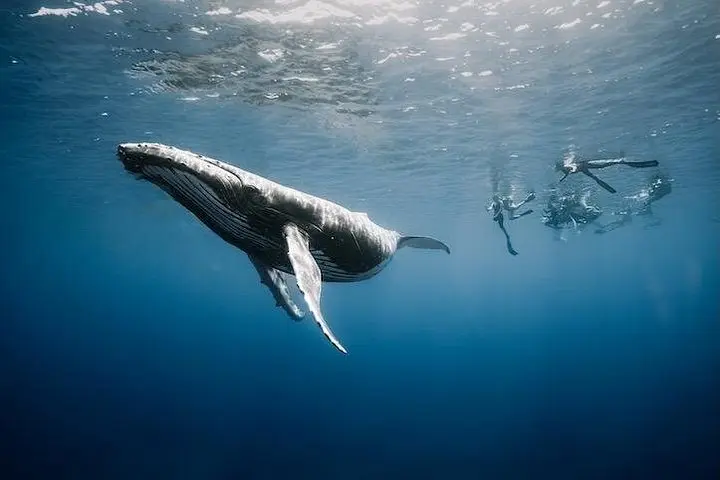
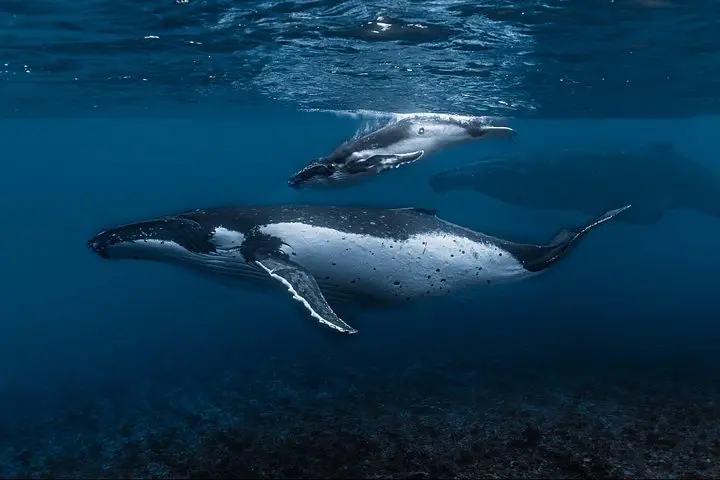
Set off from Papeete Marina on a small, eco-minded boat to seek humpback whales in Tahiti’s deep channels. This guided small-group tour prioritizes respectful encounters, offering snorkeling when conditions and whale behavior allow.
Set off from Papeete Marina on a small, eco-minded boat to seek humpback whales in Tahiti’s deep channels. This guided small-group tour prioritizes respectful encounters, offering snorkeling when conditions and whale behavior allow.
The boat slips from Papeete Marina and the harbor noise thins to sea-sound: a low chop, the slap of wake, the captain’s quiet call as the island silhouette shrinks. In open water the ocean’s motion takes the lead—breezes that push, clouds that move like distant ships, and the slow exhalation of humpbacks as they surface and roll.
Verified experiences and guided adventures in the surrounding area.
Operated by Wild Explorer Tahiti · Papeete, Tahiti
The boat slips from Papeete Marina and the harbor noise thins to sea-sound: a low chop, the slap of wake, the captain’s quiet call as the island silhouette shrinks. In open water the ocean’s motion takes the lead—breezes that push, clouds that move like distant ships, and the slow exhalation of humpbacks as they surface and roll.
Tahiti’s whales arrive from Antarctic feeding grounds each year, most reliably between July and November. Their migration is as much cultural as biological: Polynesian navigation and oral traditions long recognize the whales that travel these waters, and modern protections reflect a history of shifting human relationships with marine life.
Geologically, Tahiti is an eroded volcanic highland surrounded by reef—steep island slopes drop quickly into deep channels where whales travel and sing. That contrast creates dramatic encounters: sharks and rays patrol reef edges below, while humpbacks breach and tail-slap in open lanes.
On this small-group, eco-focused outing expect a tight crew (max six), expert briefing on behavior and safety, and strict adherence to local regulations that keep interactions non-invasive. If conditions allow and whales are calm, the guide may offer a supervised snorkel; otherwise you’ll enjoy surface viewing and premium lagoon stops with turtles and coral gardens.
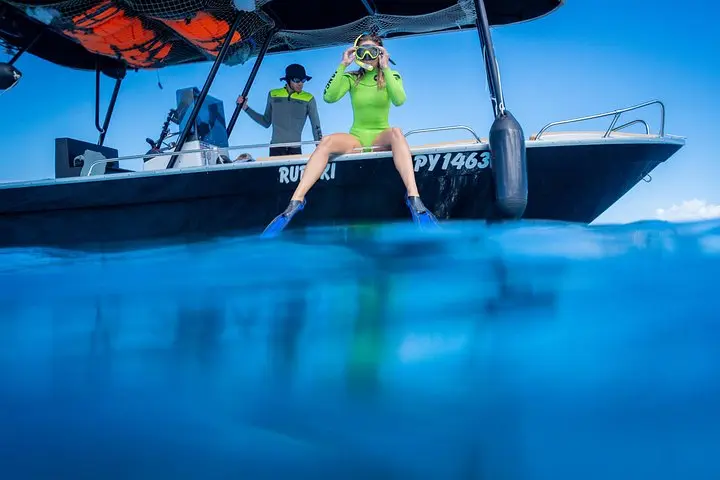
Practicalities: arrive early, bring reef-safe sunscreen, and be honest about your swimming ability—the operator requires confident swimmers for in-water interactions. Wetsuits, masks, fins, towels, and a light lunch are provided. Weather and whale behavior dictate the day; flexibility and patience increase the chances of a meaningful, responsible encounter with Tahiti’s wild heart.
No—swims are offered only when sea conditions and whale behavior make it safe and respectful; surface viewing or lagoon snorkeling are alternatives.
You should be comfortable fin-swimming in open ocean at a brisk pace for short intervals and able to snorkel unassisted with a mask and fins.
Wetsuits, masks/snorkels/fins, towels, drinks, a light lunch/snack, and safety briefing are included for each guest.
Humpback season runs roughly July–November for the strongest chances of whale encounters; other seasons offer warmer water and excellent lagoon snorkeling.
Wild Explorer Tahiti operates guided outdoor trips and adventures with an emphasis on safety, stewardship, and memorable experiences.

The boat slips from Papeete Marina and the harbor noise thins to sea-sound: a low chop, the slap of wake, the captain’s quiet call as the island silhouette shrinks. In open water the ocean’s motion takes the lead—breezes that push, clouds that move like distant ships, and the slow exhalation of humpbacks as they surface and roll.
The boat slips from Papeete Marina and the harbor noise thins to sea-sound: a low chop, the slap of wake, the captain’s quiet call as the island silhouette shrinks. In open water the ocean’s motion takes the lead—breezes that push, clouds that move like distant ships, and the slow exhalation of humpbacks as they surface and roll.
Tahiti’s whales arrive from Antarctic feeding grounds each year, most reliably between July and November. Their migration is as much cultural as biological: Polynesian navigation and oral traditions long recognize the whales that travel these waters, and modern protections reflect a history of shifting human relationships with marine life.
Geologically, Tahiti is an eroded volcanic highland surrounded by reef—steep island slopes drop quickly into deep channels where whales travel and sing. That contrast creates dramatic encounters: sharks and rays patrol reef edges below, while humpbacks breach and tail-slap in open lanes.
On this small-group, eco-focused outing expect a tight crew (max six), expert briefing on behavior and safety, and strict adherence to local regulations that keep interactions non-invasive. If conditions allow and whales are calm, the guide may offer a supervised snorkel; otherwise you’ll enjoy surface viewing and premium lagoon stops with turtles and coral gardens.
Practicalities: arrive early, bring reef-safe sunscreen, and be honest about your swimming ability—the operator requires confident swimmers for in-water interactions. Wetsuits, masks, fins, towels, and a light lunch are provided. Weather and whale behavior dictate the day; flexibility and patience increase the chances of a meaningful, responsible encounter with Tahiti’s wild heart.