THE ADVENTURE COLLECTIVE® · Independent discovery and booking for outdoor travel

Ride jeeps across lava fields and hike to recent craters on Mount Etna in a half-day tour from Taormina. Short walks, dramatic geology, and coastal views make this a compact introduction to Europe’s most active volcano.
Ride jeeps across lava fields and hike to recent craters on Mount Etna in a half-day tour from Taormina. Short walks, dramatic geology, and coastal views make this a compact introduction to Europe’s most active volcano.
Dust and basalt smoke the air as a convoy of jeeps climbs away from Taormina’s coastline toward the black shoulders of Mount Etna. The road angles past terraced vineyards, then yawns open onto older lava fields where the ground still feels warm underfoot. Drivers park near a mountain hut; from there the group straps into trekking shoes and follows a stony path that threads between young scoria and wind-scrubbed gorse.
Verified experiences and guided adventures in the surrounding area.
Operated by Sicilying SRL · Taormina, Sicily
Dust and basalt smoke the air as a convoy of jeeps climbs away from Taormina’s coastline toward the black shoulders of Mount Etna. The road angles past terraced vineyards, then yawns open onto older lava fields where the ground still feels warm underfoot. Drivers park near a mountain hut; from there the group straps into trekking shoes and follows a stony path that threads between young scoria and wind-scrubbed gorse.
Geology dominates here: Etna is Europe’s highest active volcano, built by repeated eruptions that left the Bove Valley, collapsed volcanic cones, and recent lava tongues like those at Piano Provenzana. History and local culture are visible in abandoned lava farms and century-old shepherd trails that now guide visitors through Monti Sartorius’ 1865 craters.
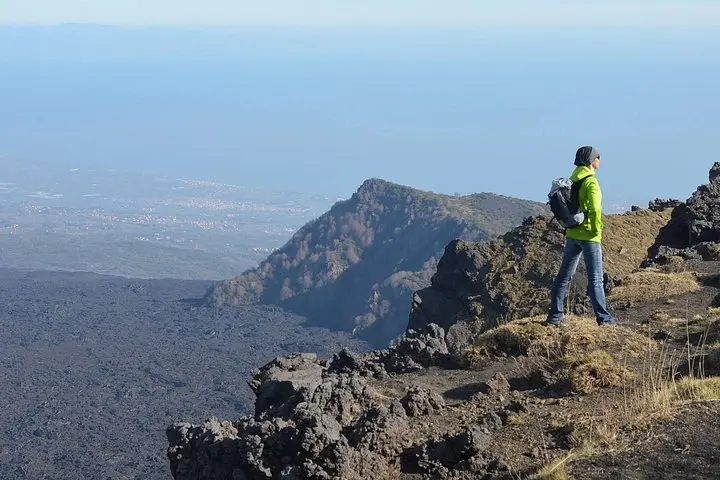
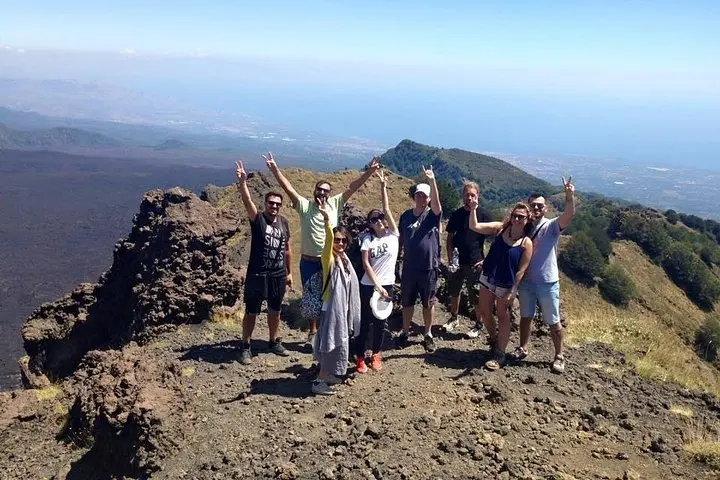
Expect uneven volcanic scree, short steep sections, and panoramic views of the Ionian Sea on clear days. The hike portion is short — typically a 30–60 minute on-foot visit to craters and a lava cave — while the jeep component covers rugged highland roads that might include ancient flows and forested slopes.
Practical notes: wear sturdy walking shoes with good grip, carry 1–2 liters of water, and layer up — wind and temperature change quickly with elevation. Photography rewards early or late light; mid-afternoon is busiest. The half-day format returns you to Taormina in about four hours; choose a morning slot for calmer winds and clearer views. Guides handle logistics and local interpretation, leaving you to focus on the raw, geologic drama of Etna.
The guided walk segments are typically 30–60 minutes total at stops like Monti Sartorius and a lava cave, designed for easy to moderate walkers.
Infants in strollers may be accommodated, but the tour is not recommended for pregnant travelers or people with serious spinal issues due to bumpy jeep rides and uneven ground.
Basic mobility and the ability to walk on rocky or scree terrain for short stretches; the tour is classified as physically easy overall but expects some uneven footing.
You may see recent lava flows and fresh scoria fields, especially near Piano Provenzana, but active lava fountains are unpredictable and not guaranteed.
Sicilying SRL operates guided outdoor trips and adventures with an emphasis on safety, stewardship, and memorable experiences.
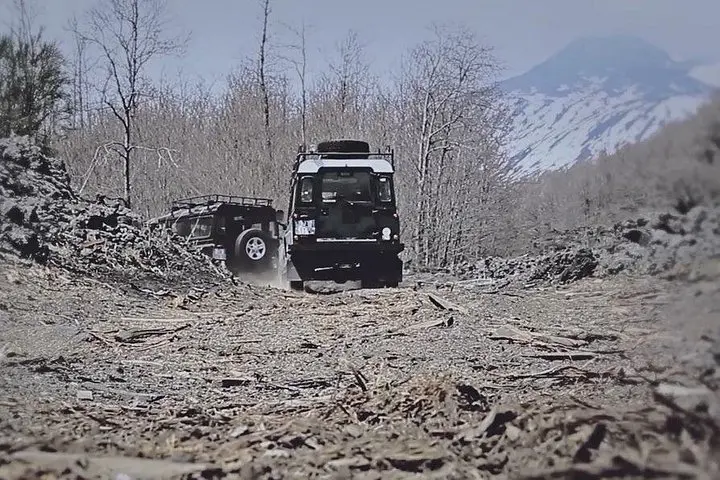
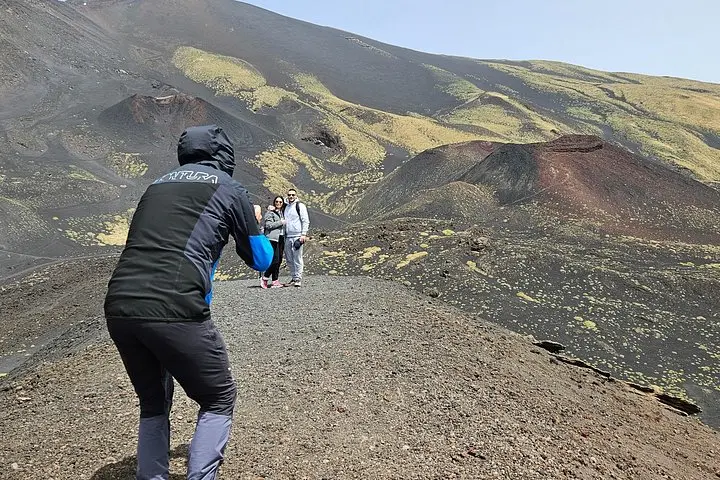
Dust and basalt smoke the air as a convoy of jeeps climbs away from Taormina’s coastline toward the black shoulders of Mount Etna. The road angles past terraced vineyards, then yawns open onto older lava fields where the ground still feels warm underfoot. Drivers park near a mountain hut; from there the group straps into trekking shoes and follows a stony path that threads between young scoria and wind-scrubbed gorse.
Dust and basalt smoke the air as a convoy of jeeps climbs away from Taormina’s coastline toward the black shoulders of Mount Etna. The road angles past terraced vineyards, then yawns open onto older lava fields where the ground still feels warm underfoot. Drivers park near a mountain hut; from there the group straps into trekking shoes and follows a stony path that threads between young scoria and wind-scrubbed gorse.
Geology dominates here: Etna is Europe’s highest active volcano, built by repeated eruptions that left the Bove Valley, collapsed volcanic cones, and recent lava tongues like those at Piano Provenzana. History and local culture are visible in abandoned lava farms and century-old shepherd trails that now guide visitors through Monti Sartorius’ 1865 craters.
Expect uneven volcanic scree, short steep sections, and panoramic views of the Ionian Sea on clear days. The hike portion is short — typically a 30–60 minute on-foot visit to craters and a lava cave — while the jeep component covers rugged highland roads that might include ancient flows and forested slopes.
Practical notes: wear sturdy walking shoes with good grip, carry 1–2 liters of water, and layer up — wind and temperature change quickly with elevation. Photography rewards early or late light; mid-afternoon is busiest. The half-day format returns you to Taormina in about four hours; choose a morning slot for calmer winds and clearer views. Guides handle logistics and local interpretation, leaving you to focus on the raw, geologic drama of Etna.