THE ADVENTURE COLLECTIVE® · Independent discovery and booking for outdoor travel

Drive up from Catania into Etna’s volcanic slopes, walk ancient lava fields, visit a natural cave and inspect the scars of the 2002 eruption. This four- to five-hour morning tour pairs geology and accessible hiking, guided by local experts.
Drive up from Catania into Etna’s volcanic slopes, walk ancient lava fields, visit a natural cave and inspect the scars of the 2002 eruption. This four- to five-hour morning tour pairs geology and accessible hiking, guided by local experts.
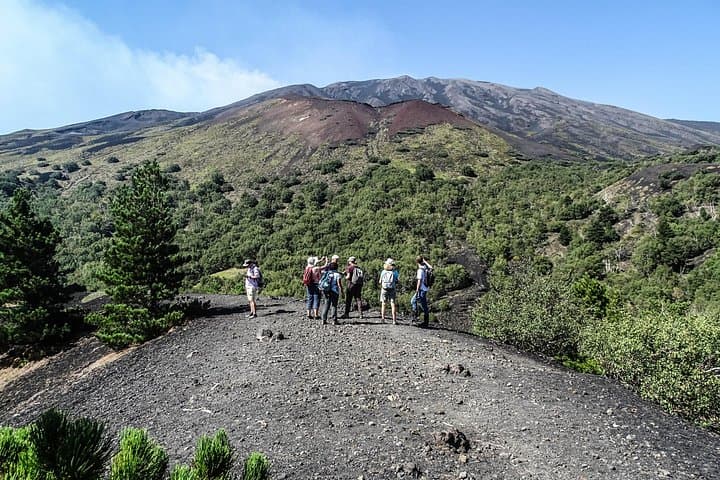
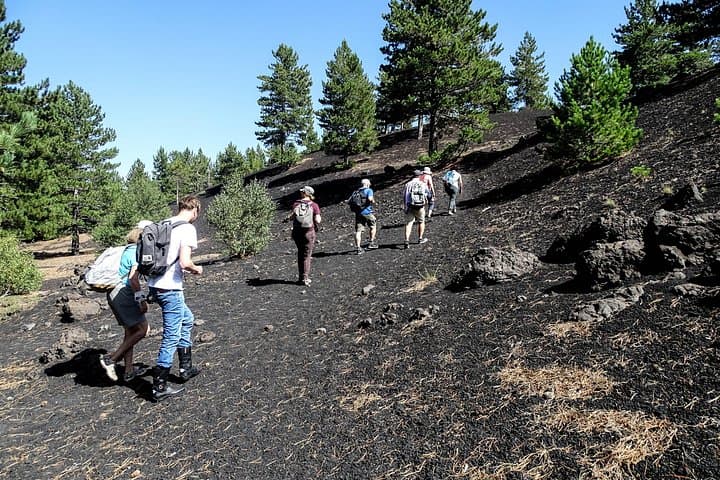
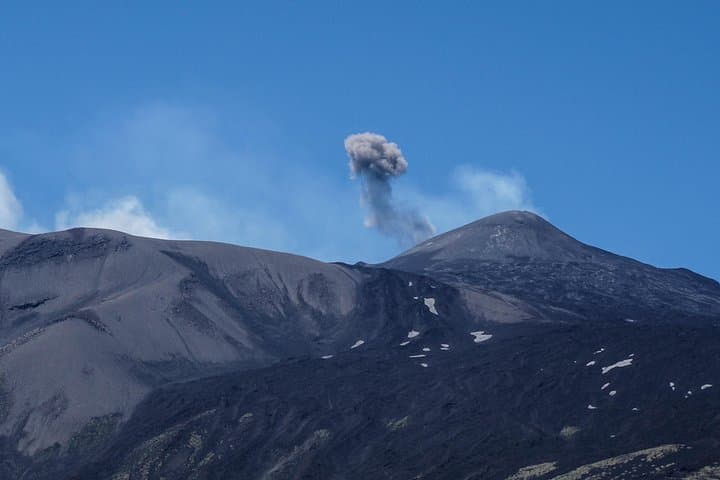
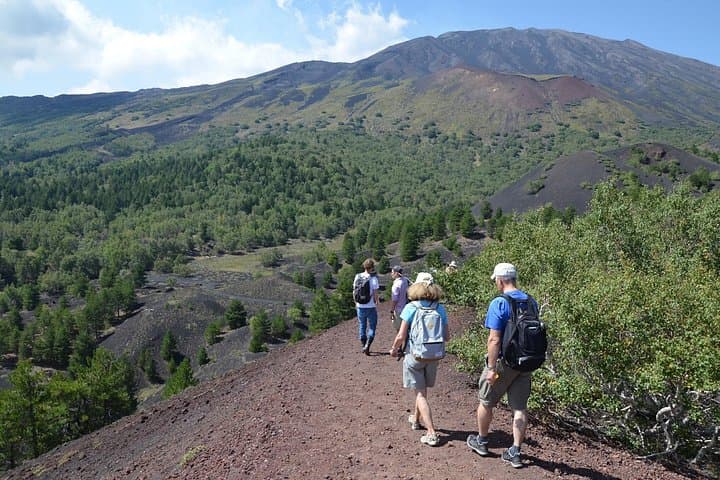
You step out into thin, high air as the bus climbs away from Catania; towns fall behind and the black, folded skin of Etna unfurls ahead. Wind threads through stunted pines, and steam still lifts from fissures as the guide points to a jagged line where lava once poured. A short walk over an ancient flow leads to a small cave — a cool, soot-streaked pocket in the mountain — and then across pumice fields toward cracked, extinct side craters.
Verified experiences and guided adventures in the surrounding area.
Operated by EnjoyourSicily · Catania, Sicily
You step out into thin, high air as the bus climbs away from Catania; towns fall behind and the black, folded skin of Etna unfurls ahead. Wind threads through stunted pines, and steam still lifts from fissures as the guide points to a jagged line where lava once poured. A short walk over an ancient flow leads to a small cave — a cool, soot-streaked pocket in the mountain — and then across pumice fields toward cracked, extinct side craters.
Etna is Europe’s most active volcano, shaped over hundreds of thousands of years by alternating explosive eruptions and slow lava outpourings; visitors on this morning tour walk across flows from different epochs and stop where the 2002 eruption reworked the northern slopes. Cultural traces are visible too: shepherd tracks, stone terraces and rural ways of life that adapted to recurring fire and ash.
Geology is immediate here — black glassy basalt, airy scoria, and soil that draws a surprising alpine scrub of broom and dwarf pine. Guides interpret vent lines, point out the tourist station where recent lava deposits still scar the terrain, and explain safety around fragile crust and fumaroles. Expect uneven volcanic rock underfoot, occasional gusts, and panoramic views back to the Ionian coast.
Practical notes: meet in Catania at Piazza Stesicoro at 8am; the excursion runs four to five hours and is suitable for most fitness levels but includes rocky walking. Dress in layers, bring water, sun protection and sturdy shoes; helmets and torches are provided for cave access if required. The route balances sensory drama with clear, conservative safety: keep to the guide’s path, respect fragile flora, and plan for rapidly changing mountain weather.
Walking covers uneven volcanic rock and short climbs but is rated accessible for most people with basic mobility; comfortable shoes are required.
Infants must sit on an adult’s lap; older children can join if they can manage rocky trails and follow guide instructions.
No recent active lava flows are crossed on this standard morning tour; you’ll see historic flows and the visible effects of the 2002 eruption.
Yes — the meeting point is Piazza Stesicoro in Catania and transport to the Etna north area is provided in an air‑conditioned vehicle.
EnjoyourSicily operates guided outdoor trips and adventures with an emphasis on safety, stewardship, and memorable experiences.
You step out into thin, high air as the bus climbs away from Catania; towns fall behind and the black, folded skin of Etna unfurls ahead. Wind threads through stunted pines, and steam still lifts from fissures as the guide points to a jagged line where lava once poured. A short walk over an ancient flow leads to a small cave — a cool, soot-streaked pocket in the mountain — and then across pumice fields toward cracked, extinct side craters.
You step out into thin, high air as the bus climbs away from Catania; towns fall behind and the black, folded skin of Etna unfurls ahead. Wind threads through stunted pines, and steam still lifts from fissures as the guide points to a jagged line where lava once poured. A short walk over an ancient flow leads to a small cave — a cool, soot-streaked pocket in the mountain — and then across pumice fields toward cracked, extinct side craters.
Etna is Europe’s most active volcano, shaped over hundreds of thousands of years by alternating explosive eruptions and slow lava outpourings; visitors on this morning tour walk across flows from different epochs and stop where the 2002 eruption reworked the northern slopes. Cultural traces are visible too: shepherd tracks, stone terraces and rural ways of life that adapted to recurring fire and ash.
Geology is immediate here — black glassy basalt, airy scoria, and soil that draws a surprising alpine scrub of broom and dwarf pine. Guides interpret vent lines, point out the tourist station where recent lava deposits still scar the terrain, and explain safety around fragile crust and fumaroles. Expect uneven volcanic rock underfoot, occasional gusts, and panoramic views back to the Ionian coast.
Practical notes: meet in Catania at Piazza Stesicoro at 8am; the excursion runs four to five hours and is suitable for most fitness levels but includes rocky walking. Dress in layers, bring water, sun protection and sturdy shoes; helmets and torches are provided for cave access if required. The route balances sensory drama with clear, conservative safety: keep to the guide’s path, respect fragile flora, and plan for rapidly changing mountain weather.