THE ADVENTURE COLLECTIVE® · Independent discovery and booking for outdoor travel

Ride north Etna’s rugged road from Piano Provenzana to near 3,000 m by 4x4, then take short guided treks to extinct craters, the volcanological observatory and the 2002 lava-field button craters. A practical, high-altitude introduction to Etna’s geology and views.
Ride north Etna’s rugged road from Piano Provenzana to near 3,000 m by 4x4, then take short guided treks to extinct craters, the volcanological observatory and the 2002 lava-field button craters. A practical, high-altitude introduction to Etna’s geology and views.
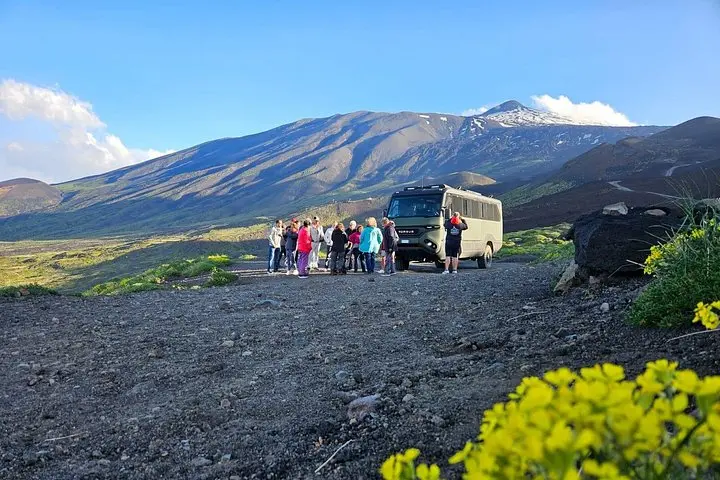
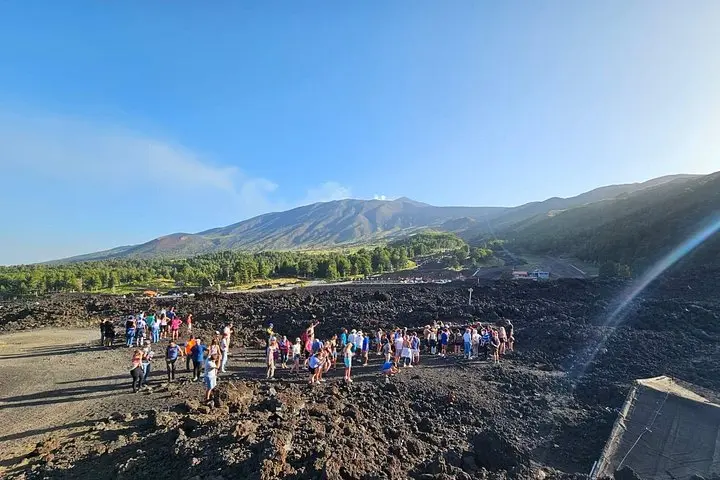
A wind that tastes of old lava pushes across the blackened slopes as the latest-generation 4x4 rumbles away from Piano Provenzana. You climb from 1,800 m into a moonscape of hardened flows and jagged scoria, stopping at the ghostly ruins of Le Betulle — the lone structure left visible after the 2002 eruption. The road keeps rising; at 2,380 m the extinct craters Umberto and Margherita sit like rimmed eyes over the valley of the Bove.
Verified experiences and guided adventures in the surrounding area.
Operated by Escursioni Etna a 3.000 metri · Linguaglossa, Sicily
A wind that tastes of old lava pushes across the blackened slopes as the latest-generation 4x4 rumbles away from Piano Provenzana. You climb from 1,800 m into a moonscape of hardened flows and jagged scoria, stopping at the ghostly ruins of Le Betulle — the lone structure left visible after the 2002 eruption. The road keeps rising; at 2,380 m the extinct craters Umberto and Margherita sit like rimmed eyes over the valley of the Bove.
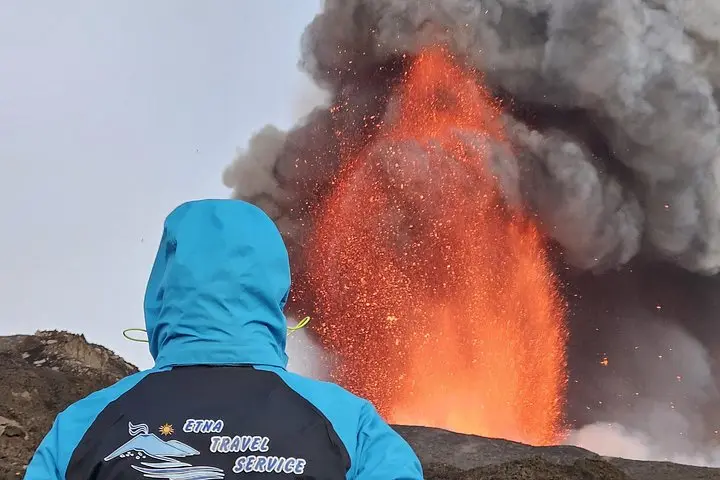
Mount Etna’s story is written in layers of basalt and ash. This north-side ascent outlines both ancient eruptive cycles and the recent violence of October 2002, when lava reshaped slopes and buried buildings. Local guides pair volcanological context with practical route choices, explaining how Etna’s lava flows create the button-like craters you’ll visit near the 2002 field.
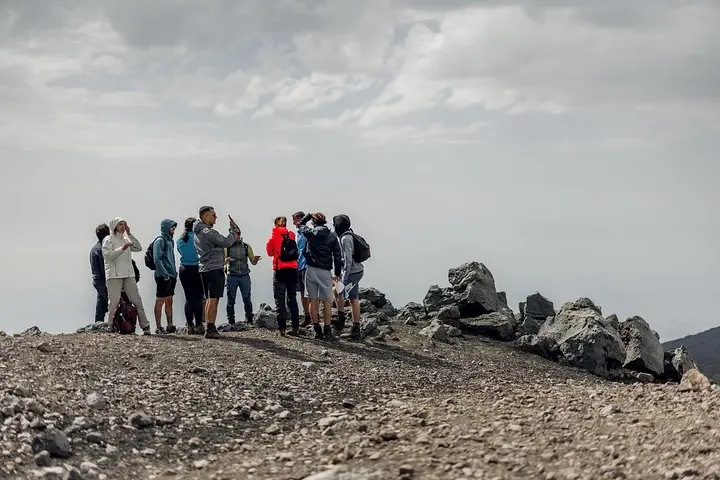
Expect short, firm treks from the vehicle: a guided walk to the observatory, then a steeper scramble onto the Pizzi Deneri promontory at roughly 2,850–3,000 m, weather permitting, for wide views to the Aeolian and Ionian seas and the Calabrian coast.
Practically: the full excursion runs about 2½ hours, uses authorized Euro 5/6 4x4s, and includes a volcanological or mountain guide. Pack layered windproof clothing, closed hiking shoes, sun protection and 1–2 liters of water. Note restrictions for pregnant travelers and those with serious heart conditions; altitude and volcanic terrain demand respect. Timing your visit for clear mornings increases the chance to see distant islands and coastal lines; if visibility collapses, guides adapt the itinerary for safety.
Yes for many: the bus minimizes long climbs, but short uneven walks at altitude may be challenging for very young children or those with limited mobility.
No — guides and park rules keep visitors at safe distances; you can view summit craters from authorized vantage points when conditions allow.
This specific listing starts at Piano Provenzana; many travelers base in Linguaglossa or arrange separate transfers from Catania, roughly 50–60 minutes by car.
Guides monitor conditions and may shorten or reroute the itinerary; full refunds typically apply for cancellations made per booking policy.
Escursioni Etna a 3.000 metri operates guided outdoor trips and adventures with an emphasis on safety, stewardship, and memorable experiences.
A wind that tastes of old lava pushes across the blackened slopes as the latest-generation 4x4 rumbles away from Piano Provenzana. You climb from 1,800 m into a moonscape of hardened flows and jagged scoria, stopping at the ghostly ruins of Le Betulle — the lone structure left visible after the 2002 eruption. The road keeps rising; at 2,380 m the extinct craters Umberto and Margherita sit like rimmed eyes over the valley of the Bove.
A wind that tastes of old lava pushes across the blackened slopes as the latest-generation 4x4 rumbles away from Piano Provenzana. You climb from 1,800 m into a moonscape of hardened flows and jagged scoria, stopping at the ghostly ruins of Le Betulle — the lone structure left visible after the 2002 eruption. The road keeps rising; at 2,380 m the extinct craters Umberto and Margherita sit like rimmed eyes over the valley of the Bove.
Mount Etna’s story is written in layers of basalt and ash. This north-side ascent outlines both ancient eruptive cycles and the recent violence of October 2002, when lava reshaped slopes and buried buildings. Local guides pair volcanological context with practical route choices, explaining how Etna’s lava flows create the button-like craters you’ll visit near the 2002 field.
Expect short, firm treks from the vehicle: a guided walk to the observatory, then a steeper scramble onto the Pizzi Deneri promontory at roughly 2,850–3,000 m, weather permitting, for wide views to the Aeolian and Ionian seas and the Calabrian coast.
Practically: the full excursion runs about 2½ hours, uses authorized Euro 5/6 4x4s, and includes a volcanological or mountain guide. Pack layered windproof clothing, closed hiking shoes, sun protection and 1–2 liters of water. Note restrictions for pregnant travelers and those with serious heart conditions; altitude and volcanic terrain demand respect. Timing your visit for clear mornings increases the chance to see distant islands and coastal lines; if visibility collapses, guides adapt the itinerary for safety.