THE ADVENTURE COLLECTIVE® · Independent discovery and booking for outdoor travel
Ride the cable car and a 4x4 into Etna’s high slopes, then hike across lunar lava fields to the summit craters. This guided South Side summit hike mixes dramatic geology, active fumaroles and practical safety under expert guides.
Ride the cable car and a 4x4 into Etna’s high slopes, then hike across lunar lava fields to the summit craters. This guided South Side summit hike mixes dramatic geology, active fumaroles and practical safety under expert guides.
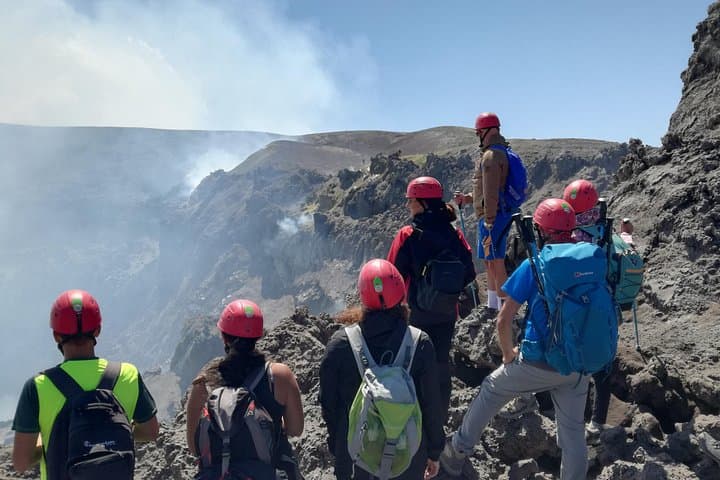
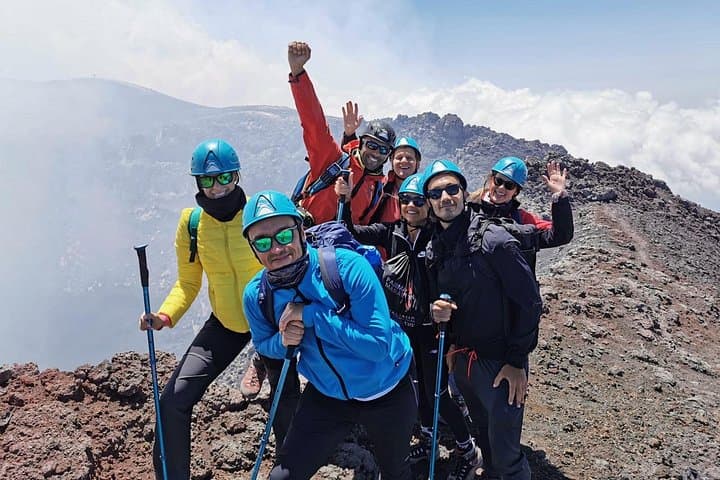
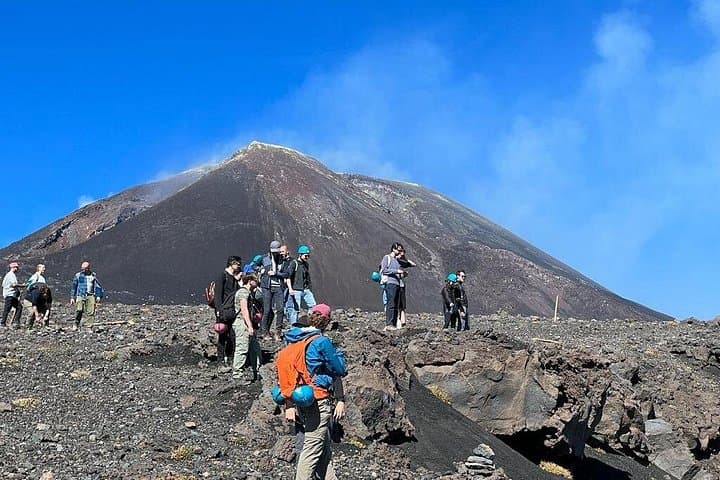
A cold wind pushes up the black slope and the summit craters loom like a broken skyline: the lava fields underfoot click and settle as you move. The trip begins at Piazzale Rifugio Sapienza, a high-altitude staging ground where a cable car and 4x4 jeeps spit you out near 2,800 m; from there a two-hour climb over pumice, clinker and hardened flows takes you to the rim of Etna’s summit craters at about 3,340 m.
Verified experiences and guided adventures in the surrounding area.
Operated by Ashàra Etna & Stromboli Guides · Nicolosi, Sicily
A cold wind pushes up the black slope and the summit craters loom like a broken skyline: the lava fields underfoot click and settle as you move. The trip begins at Piazzale Rifugio Sapienza, a high-altitude staging ground where a cable car and 4x4 jeeps spit you out near 2,800 m; from there a two-hour climb over pumice, clinker and hardened flows takes you to the rim of Etna’s summit craters at about 3,340 m.
Etna is Europe’s most active volcano, its personality shaped by centuries of eruptions from the Southeast and Northeast craters. The geology is immediate here — fresh scoria, gas fumaroles, sulfur-stained rock and volcanic bombs strewn like the relics of a celestial artillery. Local guides explain recent eruptive history and how human settlements on Etna’s flanks have adapted to both fertility and risk.
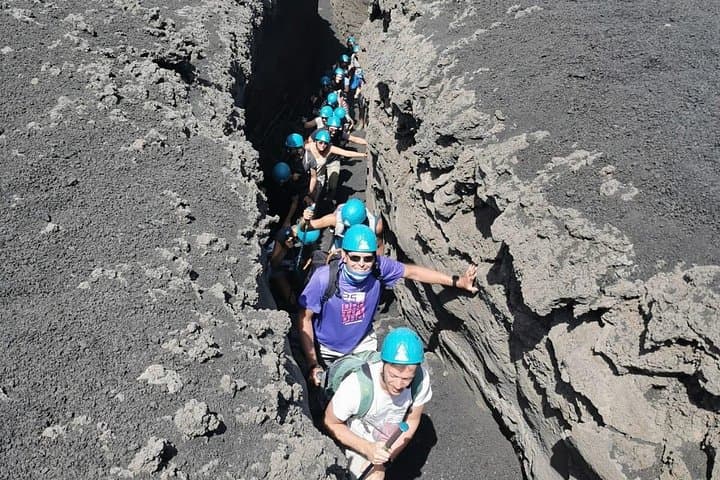
Expect stark, lunar vistas punctuated by surprising pockets of hardy vegetation and the metallic smell of sulfur that reminds you the mountain is alive. Walks along the crater rim require sure-footed steps; the descent takes you past Barbagallo craters and down a lava channel before you board the cable car at ~2,500 m to descend.
Practical edge: dress in layers for wind and rapid temperature swings, bring sturdy boots and at least 1.5 liters of water, and follow guides for safe routing — vents can emit hazardous gases and itineraries change with volcanic risk. Photography windows are frequent; use them quickly — weather and activity decide how long the summit will hold your view.
After the cable car and jeep transfer to ~2,800 m, expect roughly 1.5–2 hours of sustained uphill walking to the summit rim over loose volcanic material.
No — volcanic gases and high altitude can exacerbate respiratory or cardiovascular conditions; consult your physician and inform the operator before booking.
Yes — helmets and volcanological guide protection are included as part of the excursion package.
Yes — the company monitors volcanic risk and may alter or cancel sections of the route for safety; follow guide instructions and cancellation policies.
Ashàra Etna & Stromboli Guides operates guided outdoor trips and adventures with an emphasis on safety, stewardship, and memorable experiences.
A cold wind pushes up the black slope and the summit craters loom like a broken skyline: the lava fields underfoot click and settle as you move. The trip begins at Piazzale Rifugio Sapienza, a high-altitude staging ground where a cable car and 4x4 jeeps spit you out near 2,800 m; from there a two-hour climb over pumice, clinker and hardened flows takes you to the rim of Etna’s summit craters at about 3,340 m.
A cold wind pushes up the black slope and the summit craters loom like a broken skyline: the lava fields underfoot click and settle as you move. The trip begins at Piazzale Rifugio Sapienza, a high-altitude staging ground where a cable car and 4x4 jeeps spit you out near 2,800 m; from there a two-hour climb over pumice, clinker and hardened flows takes you to the rim of Etna’s summit craters at about 3,340 m.
Etna is Europe’s most active volcano, its personality shaped by centuries of eruptions from the Southeast and Northeast craters. The geology is immediate here — fresh scoria, gas fumaroles, sulfur-stained rock and volcanic bombs strewn like the relics of a celestial artillery. Local guides explain recent eruptive history and how human settlements on Etna’s flanks have adapted to both fertility and risk.
Expect stark, lunar vistas punctuated by surprising pockets of hardy vegetation and the metallic smell of sulfur that reminds you the mountain is alive. Walks along the crater rim require sure-footed steps; the descent takes you past Barbagallo craters and down a lava channel before you board the cable car at ~2,500 m to descend.
Practical edge: dress in layers for wind and rapid temperature swings, bring sturdy boots and at least 1.5 liters of water, and follow guides for safe routing — vents can emit hazardous gases and itineraries change with volcanic risk. Photography windows are frequent; use them quickly — weather and activity decide how long the summit will hold your view.
