THE ADVENTURE COLLECTIVE® · Independent discovery and booking for outdoor travel

Ascend Mount Etna’s southeastern slopes at dusk to explore a lava cave, walk across lunar rock, and watch the sunset from the Silvestri Craters. This guided, shared tour blends geology, approachable hiking, and dramatic coastal views.
Ascend Mount Etna’s southeastern slopes at dusk to explore a lava cave, walk across lunar rock, and watch the sunset from the Silvestri Craters. This guided, shared tour blends geology, approachable hiking, and dramatic coastal views.
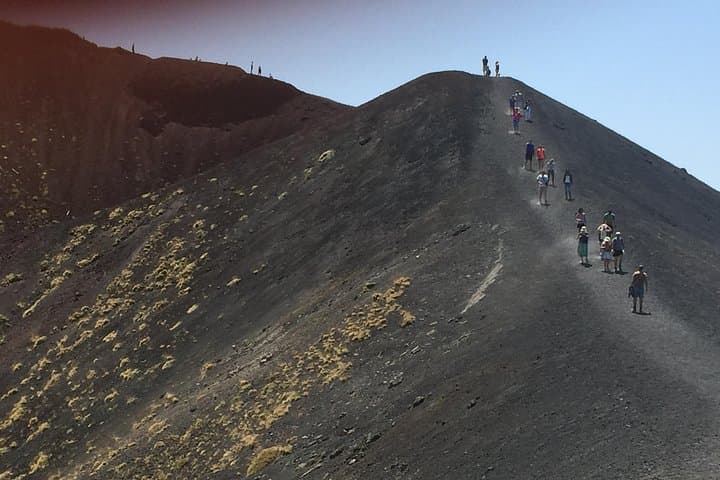
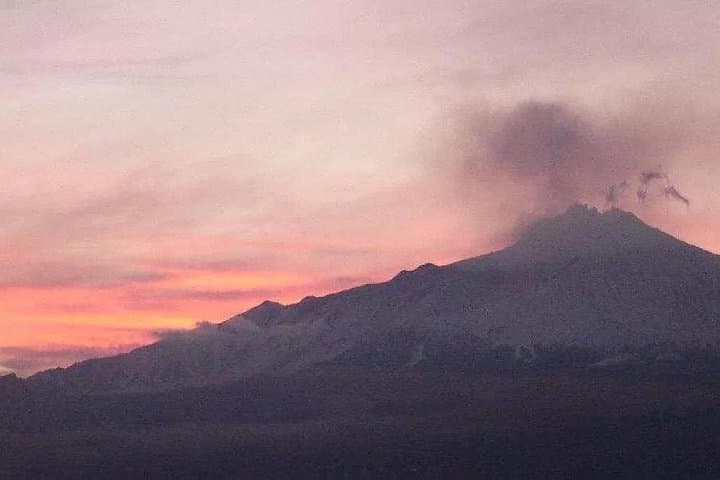
The light thins over Etna and the north slope glows orange; you stand on black rock while the Ionian Sea gleams below. This shared evening tour moves steadily from a lava tube illuminated by headlamps to higher ground at roughly 2,000 meters, where the Silvestri Craters frame a wide coastal sweep and the sunset stretches the shadows of scoria and lava bombs.
Verified experiences and guided adventures in the surrounding area.
Operated by lemontour · Nicolosi, Sicily
The light thins over Etna and the north slope glows orange; you stand on black rock while the Ionian Sea gleams below. This shared evening tour moves steadily from a lava tube illuminated by headlamps to higher ground at roughly 2,000 meters, where the Silvestri Craters frame a wide coastal sweep and the sunset stretches the shadows of scoria and lava bombs.
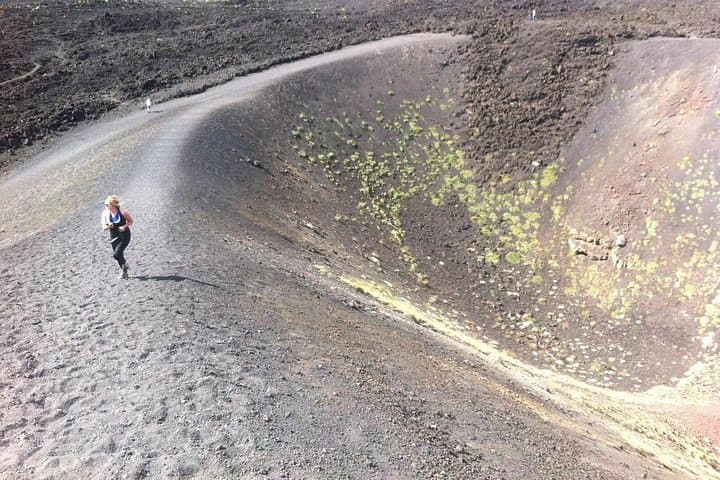
Geology is the trip’s language: layers of basalt and cinder, recent flows cutting older terraces, and the raw scars of eruptions that built Sicily’s tallest volcano. Locals read Etna in crops and ruins — vineyards and chestnut woods give way to moonscape where only pioneer plants cling. The Silvestri cones are inactive funnels on the southeast slope and a clear vantage to watch wind, light, and steam play across active vents farther up.
Expect managed walking on uneven volcanic scree and compacted ash, short guided sections in a lava cave with helmets and flashlights, and steady ascents to viewpoints rather than technical climbs. Guides explain safety and the mountain’s rhythms while pointing out agricultural terraces and the sharp line where human settlement ends.
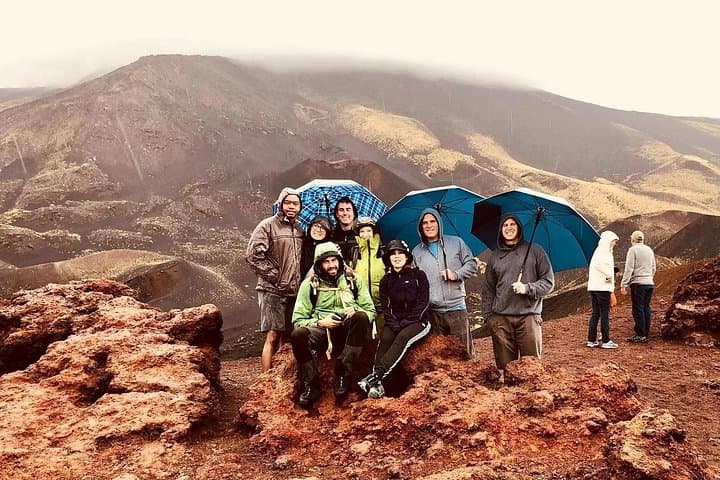
Practical guidance: bring sturdy footwear with good traction, layered warm clothing for rapid temperature drops after sunset, and at least 1–1.5 liters of water. Arrive with a charged phone and a small headlamp for the cave; follow your guide’s route and keep to marked paths to protect fragile soils. Timing is everything — aim to be on the ridge before golden hour to catch both light and the cooling breeze that makes Etna feel alive.
The walk includes uneven ground and short uphill sections but is rated moderate; participants should be comfortable walking on loose volcanic rock for up to 90 minutes.
Yes — guides supply helmets and flashlights for the cave portion of the tour and brief participants on safety procedures.
Infant seats and accommodations are noted as available, but check with the operator about age limits for the cave and high-elevation sections.
The operator may cancel for poor weather or insufficient travelers; full refunds are typically available if canceled at least 24 hours before departure.
lemontour operates guided outdoor trips and adventures with an emphasis on safety, stewardship, and memorable experiences.
The light thins over Etna and the north slope glows orange; you stand on black rock while the Ionian Sea gleams below. This shared evening tour moves steadily from a lava tube illuminated by headlamps to higher ground at roughly 2,000 meters, where the Silvestri Craters frame a wide coastal sweep and the sunset stretches the shadows of scoria and lava bombs.
The light thins over Etna and the north slope glows orange; you stand on black rock while the Ionian Sea gleams below. This shared evening tour moves steadily from a lava tube illuminated by headlamps to higher ground at roughly 2,000 meters, where the Silvestri Craters frame a wide coastal sweep and the sunset stretches the shadows of scoria and lava bombs.
Geology is the trip’s language: layers of basalt and cinder, recent flows cutting older terraces, and the raw scars of eruptions that built Sicily’s tallest volcano. Locals read Etna in crops and ruins — vineyards and chestnut woods give way to moonscape where only pioneer plants cling. The Silvestri cones are inactive funnels on the southeast slope and a clear vantage to watch wind, light, and steam play across active vents farther up.
Expect managed walking on uneven volcanic scree and compacted ash, short guided sections in a lava cave with helmets and flashlights, and steady ascents to viewpoints rather than technical climbs. Guides explain safety and the mountain’s rhythms while pointing out agricultural terraces and the sharp line where human settlement ends.
Practical guidance: bring sturdy footwear with good traction, layered warm clothing for rapid temperature drops after sunset, and at least 1–1.5 liters of water. Arrive with a charged phone and a small headlamp for the cave; follow your guide’s route and keep to marked paths to protect fragile soils. Timing is everything — aim to be on the ridge before golden hour to catch both light and the cooling breeze that makes Etna feel alive.