THE ADVENTURE COLLECTIVE® · Independent discovery and booking for outdoor travel
Ascend Etna’s northern slopes by jeep and cableway, then hike across lava fields to the central crater rim. This full-day trek delivers high-altitude geology, sweeping views when skies clear, and a physically demanding walk on volcanic rock.
Ascend Etna’s northern slopes by jeep and cableway, then hike across lava fields to the central crater rim. This full-day trek delivers high-altitude geology, sweeping views when skies clear, and a physically demanding walk on volcanic rock.
The air thins, the landscape goes black and red, and the ground beneath your boots feels less like soil and more like geological memory. On the Etna Top Crater full-day trek, participants trade citrus-scented coastal roads for raw volcanic highlands, ascending by 4x4 and cableway to the raw rim of Europe’s most active volcano.
Verified experiences and guided adventures in the surrounding area.
Operated by EtnaWay · Linguaglossa, Sicily
The air thins, the landscape goes black and red, and the ground beneath your boots feels less like soil and more like geological memory. On the Etna Top Crater full-day trek, participants trade citrus-scented coastal roads for raw volcanic highlands, ascending by 4x4 and cableway to the raw rim of Europe’s most active volcano.
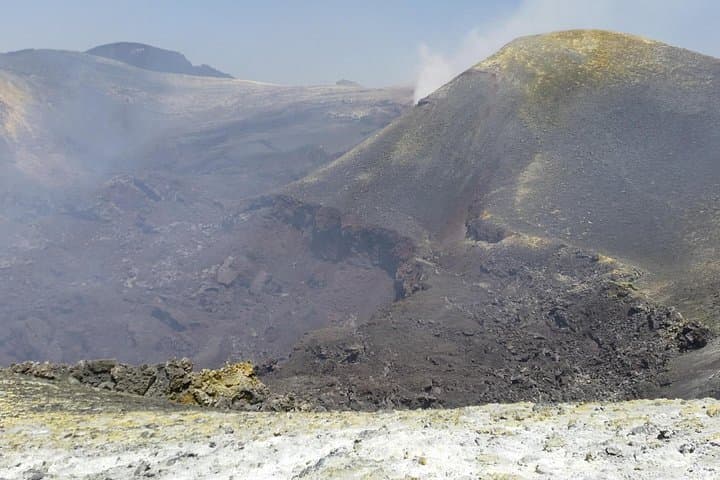
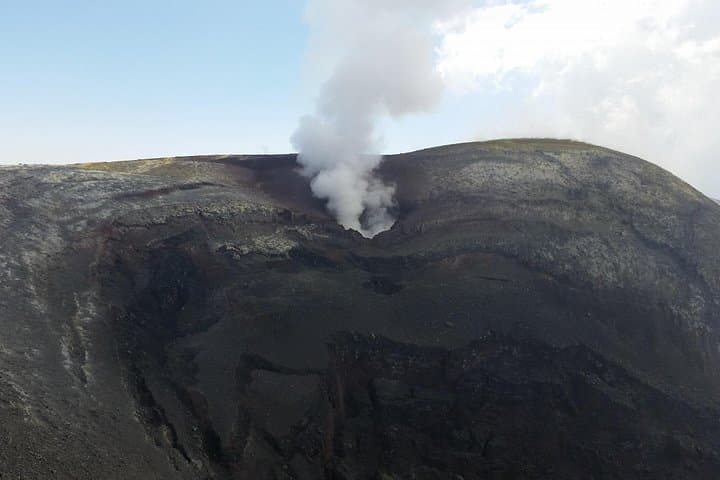
Etna’s story is written in layers: ancient lava flows, 19th-century records kept by naturalists, and a UNESCO designation acknowledging its ongoing influence on Sicilian culture. Geology is on full display—pahoehoe and blocky aa flows, pumice and volcanic bombs—while local villages below still tend vineyards and apiaries shaped by the volcano’s mineral soils.
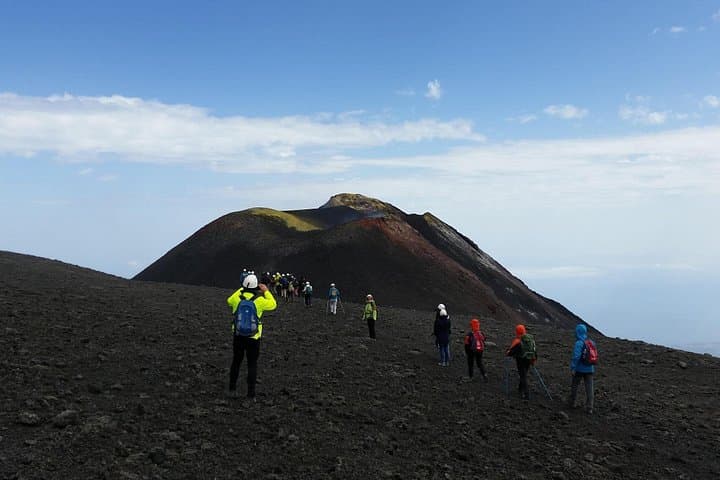
The route covers varied terrain: dirt mulattiere at 1,000 m, cableway rides to ~2,000–3,000 m, then a 3–5 km alpine-style walk on unstable lava rock and volcanic sand to the central crater edge. Expect elevation up to ~3,000 m, rapid weather shifts, strong winds, and sparse high-altitude flora adapted to heat and cold.
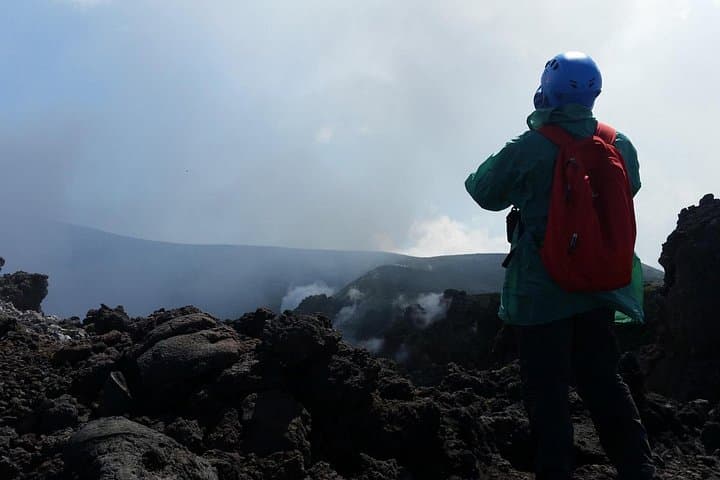
Practical notes: bring layered, windproof clothing, sturdy boots, and 2–3 liters of water; sun and wind are both aggressive at altitude. The tour includes authorized guide, helmets, transport to ~2,800 m, and a tasting of local products, but packed lunch is not included. The experience is physically demanding and weather-dependent—visibility can turn the panorama into a close, steam-filled world or reveal Sicily’s coast and lakes.
For hikers who want geology up-close and a demanding day in dramatically changing conditions, the Etna Top Crater tour delivers a concentrated, elemental encounter with fire and stone.
The itinerary reaches roughly 2,800–3,000 m via cableway and on-foot sections to the central crater edge; exact access depends on weather and volcanic activity.
Packed lunch is not included — guides stop where a safe area is available; bring your own or buy local provisions before departure.
No — the tour is physically demanding and not recommended for those with cardiovascular, spinal issues, or pregnancy; notify organizers about medical needs.
Trips are weather- and activity-dependent; the operator may cancel or reroute for safety and will refund within the stated cancellation window.
EtnaWay operates guided outdoor trips and adventures with an emphasis on safety, stewardship, and memorable experiences.
The air thins, the landscape goes black and red, and the ground beneath your boots feels less like soil and more like geological memory. On the Etna Top Crater full-day trek, participants trade citrus-scented coastal roads for raw volcanic highlands, ascending by 4x4 and cableway to the raw rim of Europe’s most active volcano.
The air thins, the landscape goes black and red, and the ground beneath your boots feels less like soil and more like geological memory. On the Etna Top Crater full-day trek, participants trade citrus-scented coastal roads for raw volcanic highlands, ascending by 4x4 and cableway to the raw rim of Europe’s most active volcano.
Etna’s story is written in layers: ancient lava flows, 19th-century records kept by naturalists, and a UNESCO designation acknowledging its ongoing influence on Sicilian culture. Geology is on full display—pahoehoe and blocky aa flows, pumice and volcanic bombs—while local villages below still tend vineyards and apiaries shaped by the volcano’s mineral soils.
The route covers varied terrain: dirt mulattiere at 1,000 m, cableway rides to ~2,000–3,000 m, then a 3–5 km alpine-style walk on unstable lava rock and volcanic sand to the central crater edge. Expect elevation up to ~3,000 m, rapid weather shifts, strong winds, and sparse high-altitude flora adapted to heat and cold.
Practical notes: bring layered, windproof clothing, sturdy boots, and 2–3 liters of water; sun and wind are both aggressive at altitude. The tour includes authorized guide, helmets, transport to ~2,800 m, and a tasting of local products, but packed lunch is not included. The experience is physically demanding and weather-dependent—visibility can turn the panorama into a close, steam-filled world or reveal Sicily’s coast and lakes.
For hikers who want geology up-close and a demanding day in dramatically changing conditions, the Etna Top Crater tour delivers a concentrated, elemental encounter with fire and stone.
