THE ADVENTURE COLLECTIVE® · Independent discovery and booking for outdoor travel

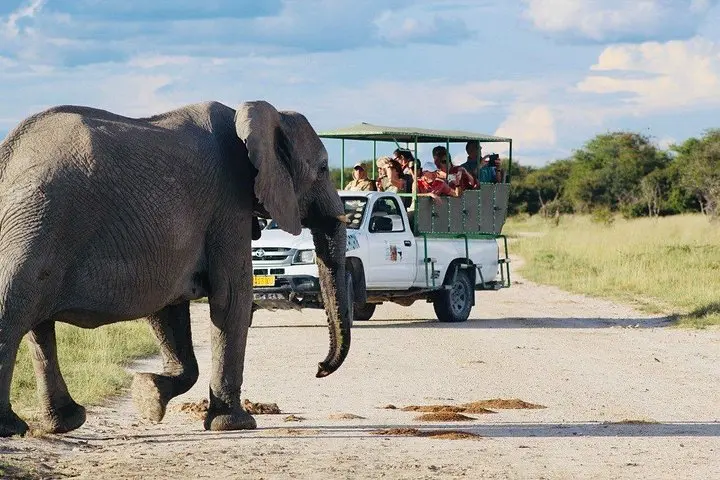
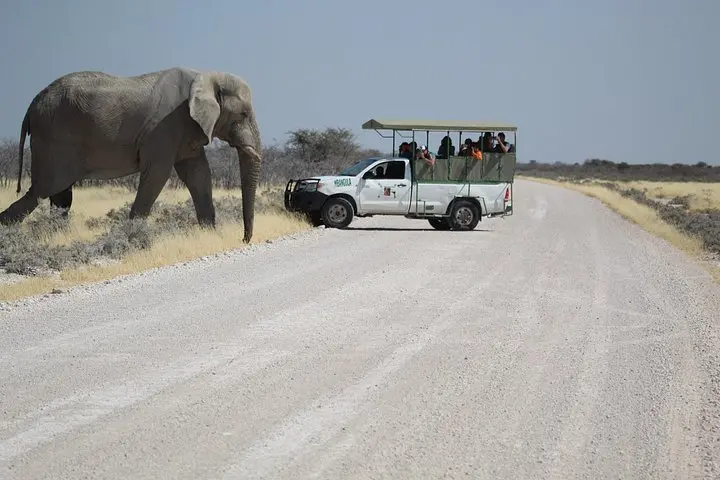
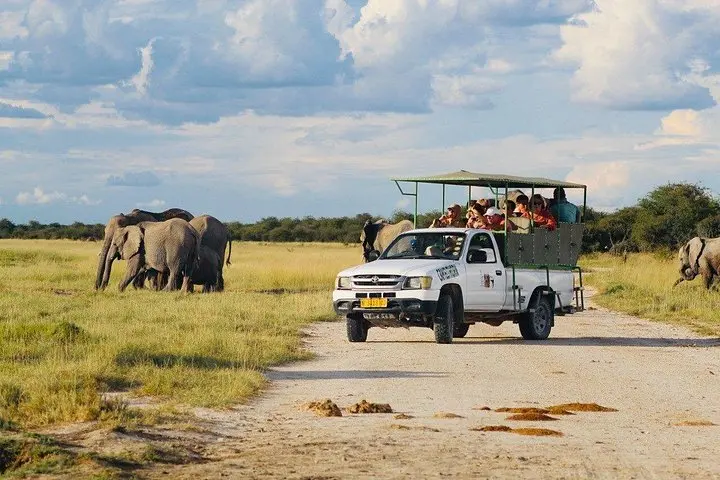
Spend a day in Etosha with guides born in the park who know where the big wildlife concentrates. Expect long drives on gravel, focused time at waterholes, and a high chance of elephant, lion and rhino sightings when conditions align.
Spend a day in Etosha with guides born in the park who know where the big wildlife concentrates. Expect long drives on gravel, focused time at waterholes, and a high chance of elephant, lion and rhino sightings when conditions align.
A low dawn lights the pale crust of the Etosha pan and the first dust plumes rise along the gravel track. You sit in an open 4x4, blanket over your knees, while a guide born on this land scans a distant line of thorn trees for movement. The park’s flat salt pan throws light back at you; the scrub and mopane woodland hold the animals.
Verified experiences and guided adventures in the surrounding area.
Operated by Safari In Etosha national park with yavola tours, Namibia · Okaukuejo, Oshikoto
A low dawn lights the pale crust of the Etosha pan and the first dust plumes rise along the gravel track. You sit in an open 4x4, blanket over your knees, while a guide born on this land scans a distant line of thorn trees for movement. The park’s flat salt pan throws light back at you; the scrub and mopane woodland hold the animals.
Etosha—Oshindonga for “great white place”—is shaped by that pan and a seasonal pulse of water that concentrates wildlife around permanent waterholes. The landscape is both geological relic and life-source: a broad saline basin carved by ancient drainage, fringed by acacia and termite mounds that rhinoceros and elephant use as landmarks. Culturally, the park sits on ancestral lands of Ovambo and Herero communities; local guides here carry generational knowledge of animal behavior and routes.
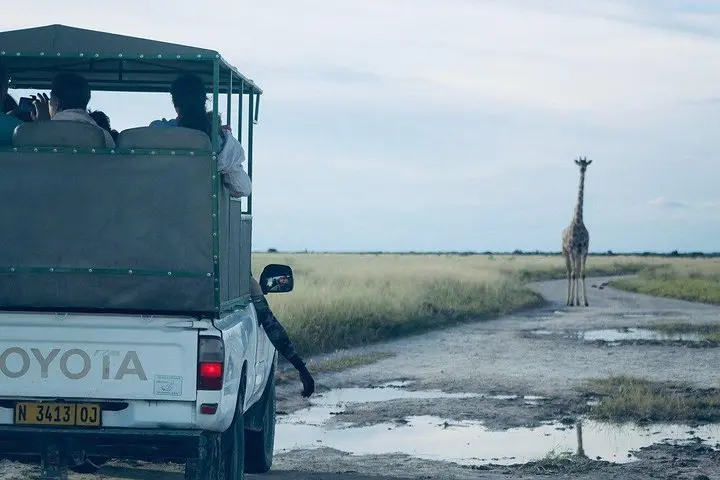
On a full-day vehicle safari expect long stretches on gravel, slow glassing at hides, and stops at established waterholes where animals gather. Guides focus on ethical viewing—keeping distance and minimizing noise—while offering context on spoor and seasonal patterns. Practical planning: arrive early for cool light, pack sun protection and binoculars, keep hydration accessible, and dress in breathable layers for big morning-to-afternoon temperature swings. Photography benefits from a 200–400mm lens for distant subjects; a steady seat and patience will reward you more than sprinting between spots.
This tour is largely vehicle-based with minimal walking; it’s ideal for travelers who want intensive wildlife viewing guided by people who grew up reading the land’s signs.
Guides focus on hotspots and seasonal behavior to maximize sightings—elephants and lions are commonly seen; rhino and leopard are rarer but possible, especially near permanent waterholes and during the dry season.
No—this is a vehicle-based day safari with minimal walking; most guests can participate regardless of fitness level.
Yes—infants must sit on laps per operator policy; the tour is suitable for families but check with the operator about child-specific safety and seat availability.
Binoculars, water, sun protection, layered clothing for morning chill and afternoon heat, and a camera with a telephoto option; bring cash for park fees if not included.
Safari In Etosha national park with yavola tours, Namibia operates guided outdoor trips and adventures with an emphasis on safety, stewardship, and memorable experiences.
A low dawn lights the pale crust of the Etosha pan and the first dust plumes rise along the gravel track. You sit in an open 4x4, blanket over your knees, while a guide born on this land scans a distant line of thorn trees for movement. The park’s flat salt pan throws light back at you; the scrub and mopane woodland hold the animals.
A low dawn lights the pale crust of the Etosha pan and the first dust plumes rise along the gravel track. You sit in an open 4x4, blanket over your knees, while a guide born on this land scans a distant line of thorn trees for movement. The park’s flat salt pan throws light back at you; the scrub and mopane woodland hold the animals.
Etosha—Oshindonga for “great white place”—is shaped by that pan and a seasonal pulse of water that concentrates wildlife around permanent waterholes. The landscape is both geological relic and life-source: a broad saline basin carved by ancient drainage, fringed by acacia and termite mounds that rhinoceros and elephant use as landmarks. Culturally, the park sits on ancestral lands of Ovambo and Herero communities; local guides here carry generational knowledge of animal behavior and routes.
On a full-day vehicle safari expect long stretches on gravel, slow glassing at hides, and stops at established waterholes where animals gather. Guides focus on ethical viewing—keeping distance and minimizing noise—while offering context on spoor and seasonal patterns. Practical planning: arrive early for cool light, pack sun protection and binoculars, keep hydration accessible, and dress in breathable layers for big morning-to-afternoon temperature swings. Photography benefits from a 200–400mm lens for distant subjects; a steady seat and patience will reward you more than sprinting between spots.
This tour is largely vehicle-based with minimal walking; it’s ideal for travelers who want intensive wildlife viewing guided by people who grew up reading the land’s signs.