THE ADVENTURE COLLECTIVE® · Independent discovery and booking for outdoor travel

Explore the Etruscan necropolis of Banditaccia and the medieval village of Ceri on a private full‑day tour from Rome. Expect rocky tumuli, interpretive multimedia tomb interiors, and panoramic hilltop views—perfect for history-minded travelers.
Explore the Etruscan necropolis of Banditaccia and the medieval village of Ceri on a private full‑day tour from Rome. Expect rocky tumuli, interpretive multimedia tomb interiors, and panoramic hilltop views—perfect for history-minded travelers.
You step off the minivan onto a low, wind-scoured hill and the stone graves of Banditaccia seem to watch you — rows of carved tumuli punctuating the landscape like pages from a lost ledger. The light is clear; the air carries the dry smell of scrub and dust stirred by centuries of footsteps.
Verified experiences and guided adventures in the surrounding area.
Operated by Carratonitours · Cerveteri, Lazio
You step off the minivan onto a low, wind-scoured hill and the stone graves of Banditaccia seem to watch you — rows of carved tumuli punctuating the landscape like pages from a lost ledger. The light is clear; the air carries the dry smell of scrub and dust stirred by centuries of footsteps.
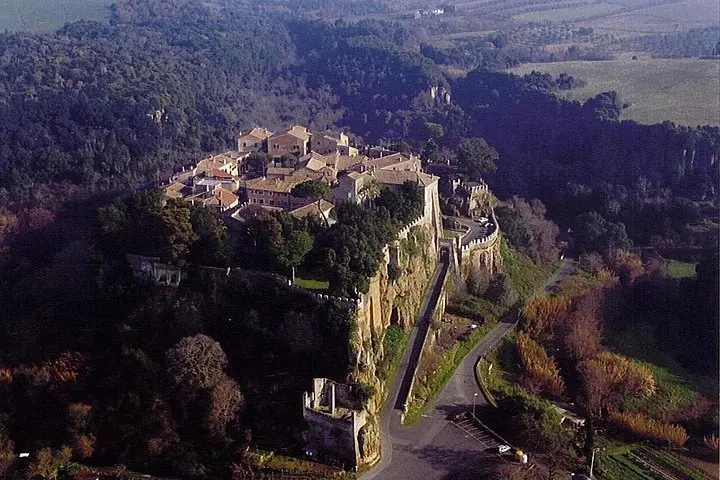
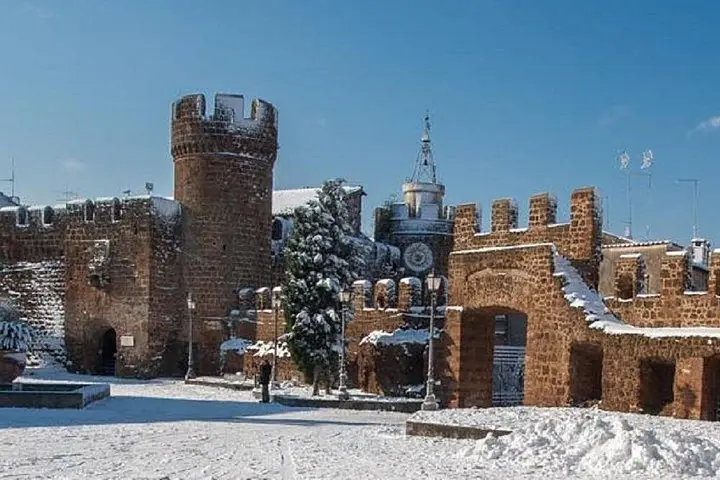
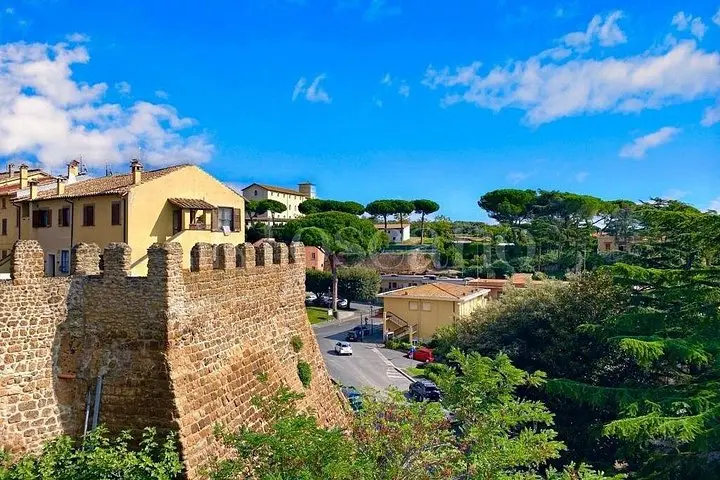
The day unfolds between two very different settlements: Cerveteri, once the Etruscan power of Caere with a necropolis that records rites from the 9th to 3rd centuries BC, and Ceri, a medieval hilltown built for defence centuries later. The bedrock here is a mix of volcanic tuff and alluvial deposits that made soft quarryable stone, shaping tomb architecture and the cliff-side fortifications of Ceri.
Cultural traces are tangible — funerary carvings, reconstructed interiors with multimedia reconstructions, and a museum display that links domestic life to ritual practice. Local guides will point out Roman re-use of sites and the UNESCO designation that protects this fragile landscape.
Practicalities: expect roughly 2–4 km of walking across uneven surfaces, with an elevation gain of about 150 m if you climb up to Ceri’s castle. The route is accessible by air-conditioned minivan from Rome and suitable for most fitness levels, but wear sturdy shoes and bring water, sun protection, and a light layer. Photography is allowed in most outdoor areas but respect signs in sensitive sites. Timing matters — arrive earlier in the day for softer light in the necropolis and to avoid the summer heat. With a mix of archaeology, village streets, and lookout terraces, the tour rewards curiosity with history you can touch and landscapes that keep pushing you onward.
The full‑day private tour includes admission to the Etruscan Necropolis of Banditaccia as noted; always confirm with your operator for any museum entries.
Many transport and some areas are wheelchair accessible, but uneven surfaces in the necropolis and narrow streets in Ceri can limit full access—check specifics with the provider.
Plan for 2–4 km on foot across packed earth and cobbles, with short climbs—total walking is moderate within the six‑hour day.
Outdoor photography is generally allowed; interior tombs and museum rooms may have restrictions—follow onsite signage and guide instructions.
Carratonitours operates guided outdoor trips and adventures with an emphasis on safety, stewardship, and memorable experiences.
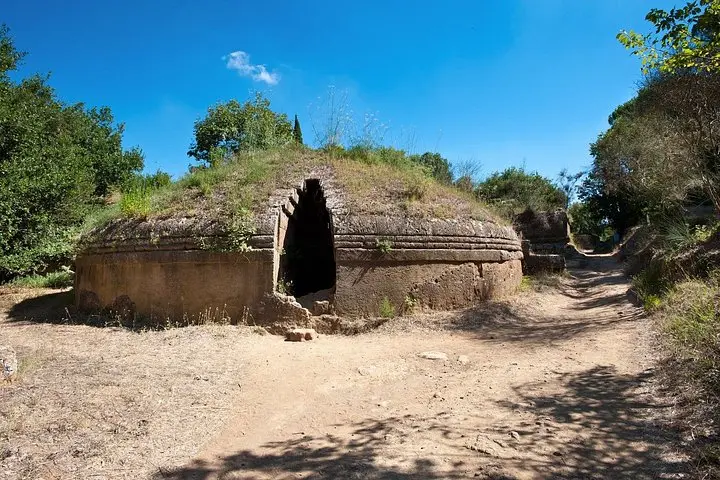
You step off the minivan onto a low, wind-scoured hill and the stone graves of Banditaccia seem to watch you — rows of carved tumuli punctuating the landscape like pages from a lost ledger. The light is clear; the air carries the dry smell of scrub and dust stirred by centuries of footsteps.
You step off the minivan onto a low, wind-scoured hill and the stone graves of Banditaccia seem to watch you — rows of carved tumuli punctuating the landscape like pages from a lost ledger. The light is clear; the air carries the dry smell of scrub and dust stirred by centuries of footsteps.
The day unfolds between two very different settlements: Cerveteri, once the Etruscan power of Caere with a necropolis that records rites from the 9th to 3rd centuries BC, and Ceri, a medieval hilltown built for defence centuries later. The bedrock here is a mix of volcanic tuff and alluvial deposits that made soft quarryable stone, shaping tomb architecture and the cliff-side fortifications of Ceri.
Cultural traces are tangible — funerary carvings, reconstructed interiors with multimedia reconstructions, and a museum display that links domestic life to ritual practice. Local guides will point out Roman re-use of sites and the UNESCO designation that protects this fragile landscape.
Practicalities: expect roughly 2–4 km of walking across uneven surfaces, with an elevation gain of about 150 m if you climb up to Ceri’s castle. The route is accessible by air-conditioned minivan from Rome and suitable for most fitness levels, but wear sturdy shoes and bring water, sun protection, and a light layer. Photography is allowed in most outdoor areas but respect signs in sensitive sites. Timing matters — arrive earlier in the day for softer light in the necropolis and to avoid the summer heat. With a mix of archaeology, village streets, and lookout terraces, the tour rewards curiosity with history you can touch and landscapes that keep pushing you onward.