THE ADVENTURE COLLECTIVE® · Independent discovery and booking for outdoor travel

A private driver delivers you from port to two ancient towns where Etruscan tombs and Romanesque churches reveal layers of pre-Roman life. This driver-only shore excursion is ideal for cruisers who want focused self-guided exploring with comfortable transport.
A private driver delivers you from port to two ancient towns where Etruscan tombs and Romanesque churches reveal layers of pre-Roman life. This driver-only shore excursion is ideal for cruisers who want focused self-guided exploring with comfortable transport.
You step out of the shaded car into a sweep of low hills where scrub and olive trees slope toward the sea, and the air smells faintly of salt and sun-baked stone. The driver closes the door and becomes part of the vehicle that will ferry you between two of central Italy's oldest places: the painted tombs of Tarquinia and the hilltop churches of Tuscania.
Verified experiences and guided adventures in the surrounding area.
Operated by Stefano Rome Day Tours · Tarquinia, Lazio
You step out of the shaded car into a sweep of low hills where scrub and olive trees slope toward the sea, and the air smells faintly of salt and sun-baked stone. The driver closes the door and becomes part of the vehicle that will ferry you between two of central Italy's oldest places: the painted tombs of Tarquinia and the hilltop churches of Tuscania.
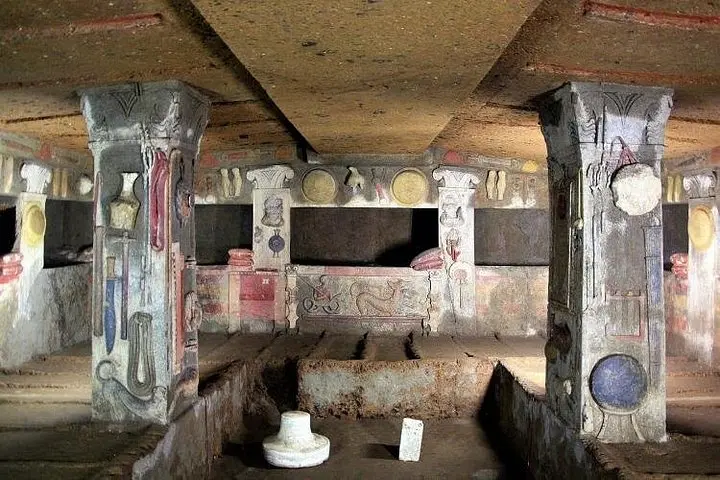
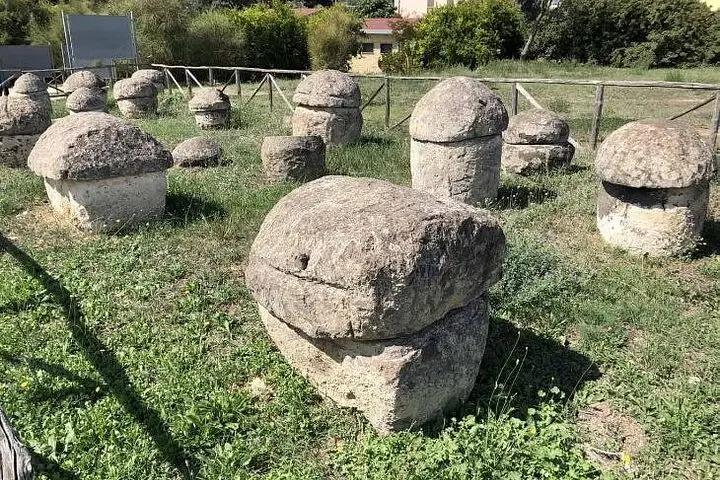
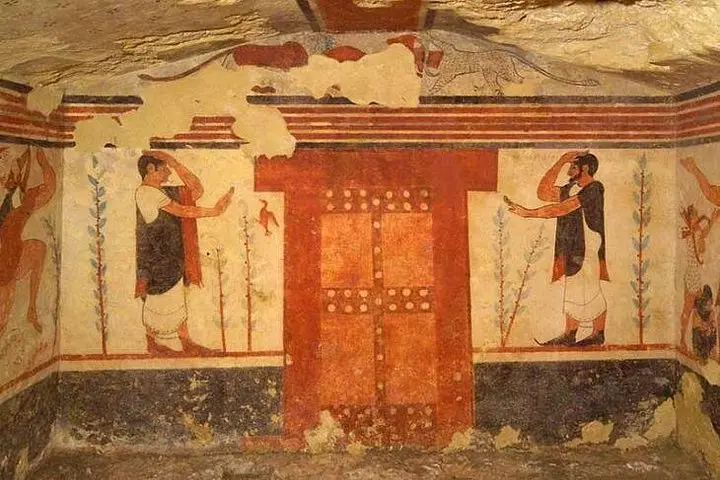
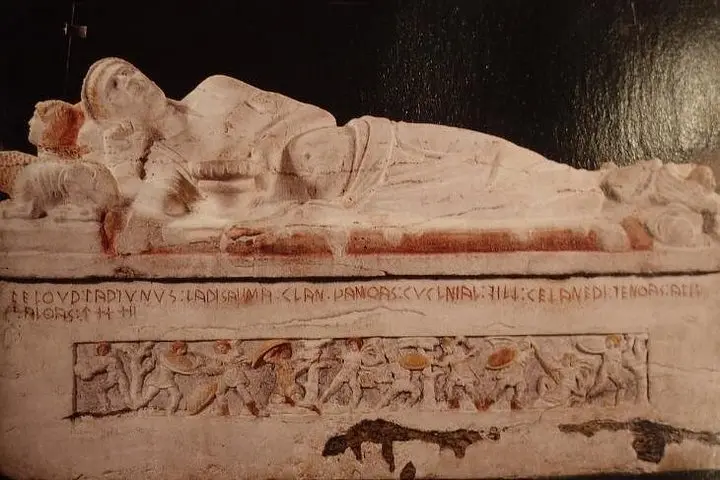
This route follows an arc of Etruscan history that predates Rome. The Monterozzi necropolis at Tarquinia contains the world’s most extensive surviving frescoed tombs, painted scenes that illustrate daily life, ritual, and myth from the 7th to 4th centuries BCE. Geologically the area is tuff and limestone carved by millennia of water and wind, which made soft rock ideal for chambered tombs and the steep bell towers that now pierce Tuscania's skyline.
Culturally, these towns sit between maritime trade routes and inland agrarian life; churches like Santa Maria Maggiore display Romanesque stonework and mosaics that tell later medieval stories layered over Etruscan foundations. Locals still tend vineyards and olive groves, and you’ll notice small restoration projects at parish churches.
Practical guidance: tickets for the necropolis and museum are purchased on site, bring cash or card and allow a couple hours for walking uneven steps into burial chambers. Wear sturdy shoes, sun protection, and carry water provided in the vehicle. Aim for morning or late afternoon to avoid the hottest light and to catch longer shadows that bring the frescos and carved stone into clearer relief.
No, admission to the necropolis and the Etruscan museum are paid on site; current rates are modest and listed at the ticket windows.
No, Italian law requires licensed guides for on-foot guiding; the English-speaking driver provides transport and waits while you self-tour.
Parts of the necropolis and older churches include stairs and uneven surfaces; travelers with limited mobility may find access challenging.
The tour runs about 8.5 hours total and typically departs from the cruise port or an agreed pickup in the Civitavecchia/Rome area.
Stefano Rome Day Tours operates guided outdoor trips and adventures with an emphasis on safety, stewardship, and memorable experiences.
You step out of the shaded car into a sweep of low hills where scrub and olive trees slope toward the sea, and the air smells faintly of salt and sun-baked stone. The driver closes the door and becomes part of the vehicle that will ferry you between two of central Italy's oldest places: the painted tombs of Tarquinia and the hilltop churches of Tuscania.
You step out of the shaded car into a sweep of low hills where scrub and olive trees slope toward the sea, and the air smells faintly of salt and sun-baked stone. The driver closes the door and becomes part of the vehicle that will ferry you between two of central Italy's oldest places: the painted tombs of Tarquinia and the hilltop churches of Tuscania.
This route follows an arc of Etruscan history that predates Rome. The Monterozzi necropolis at Tarquinia contains the world’s most extensive surviving frescoed tombs, painted scenes that illustrate daily life, ritual, and myth from the 7th to 4th centuries BCE. Geologically the area is tuff and limestone carved by millennia of water and wind, which made soft rock ideal for chambered tombs and the steep bell towers that now pierce Tuscania's skyline.
Culturally, these towns sit between maritime trade routes and inland agrarian life; churches like Santa Maria Maggiore display Romanesque stonework and mosaics that tell later medieval stories layered over Etruscan foundations. Locals still tend vineyards and olive groves, and you’ll notice small restoration projects at parish churches.
Practical guidance: tickets for the necropolis and museum are purchased on site, bring cash or card and allow a couple hours for walking uneven steps into burial chambers. Wear sturdy shoes, sun protection, and carry water provided in the vehicle. Aim for morning or late afternoon to avoid the hottest light and to catch longer shadows that bring the frescos and carved stone into clearer relief.