THE ADVENTURE COLLECTIVE® · Independent discovery and booking for outdoor travel

An evening private jeep safari in Udawalawe puts you on close terms with Sri Lanka’s iconic elephants around the park’s permanent reservoir. Expect low, golden light, short drives on dirt tracks, and frequent, respectful sightings.
An evening private jeep safari in Udawalawe puts you on close terms with Sri Lanka’s iconic elephants around the park’s permanent reservoir. Expect low, golden light, short drives on dirt tracks, and frequent, respectful sightings.
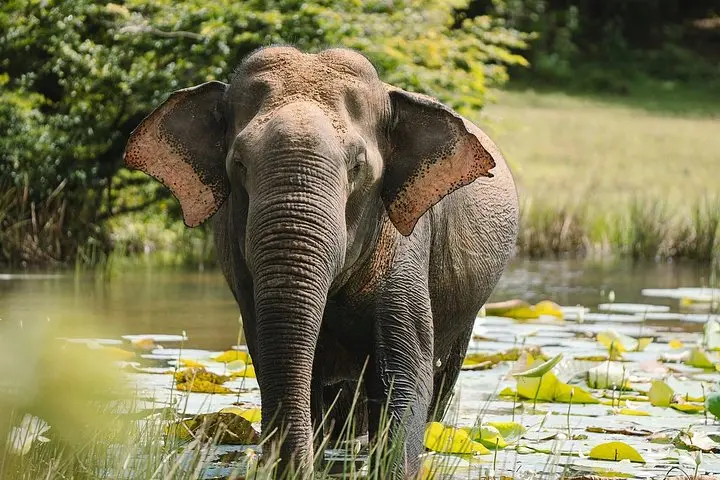
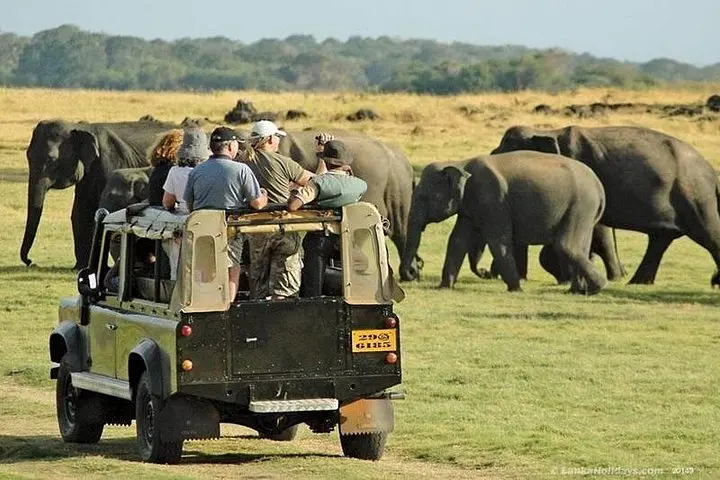
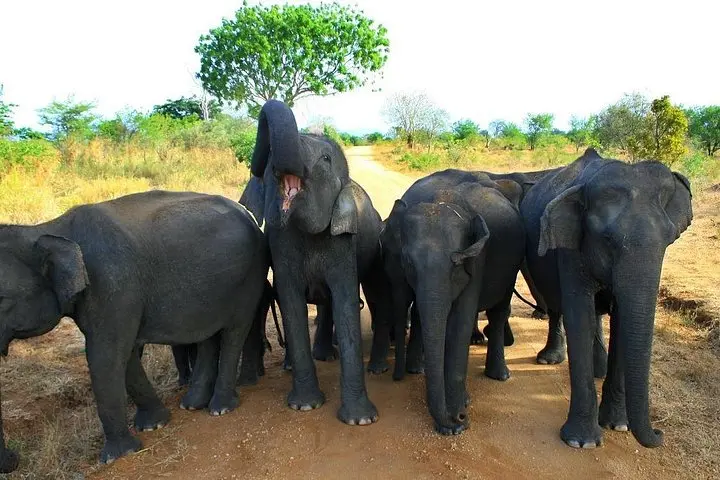
The jeep eases onto a dusty track as late afternoon fattens the light; the reservoir’s surface glints and the scrublands of Udawalawe begin to hum. Elephants, unconcerned and curious, often step out of the grass and into view, their bulk moving with a calm that seems to slow the world. The evening safari frames these close encounters—low sun, long shadows, and animals that frequently come within arm’s reach of the vehicle.
Verified experiences and guided adventures in the surrounding area.
Operated by Yala La Safari Tours · Udawalawe, Sabaragamuwa Province
The jeep eases onto a dusty track as late afternoon fattens the light; the reservoir’s surface glints and the scrublands of Udawalawe begin to hum. Elephants, unconcerned and curious, often step out of the grass and into view, their bulk moving with a calm that seems to slow the world. The evening safari frames these close encounters—low sun, long shadows, and animals that frequently come within arm’s reach of the vehicle.
Udawalawe National Park was created in the 1970s around the man-made Udawalawe Reservoir to protect wildlife and the catchment area. Geologically the landscape is low-lying and gently undulating, a patchwork of dry scrub, grasslands and lakeshore that attracts grazers and the predators that follow them. Local culture around the park is rural and agricultural; small villages and elephant-human histories are visible in waterside fields and irrigation canals.
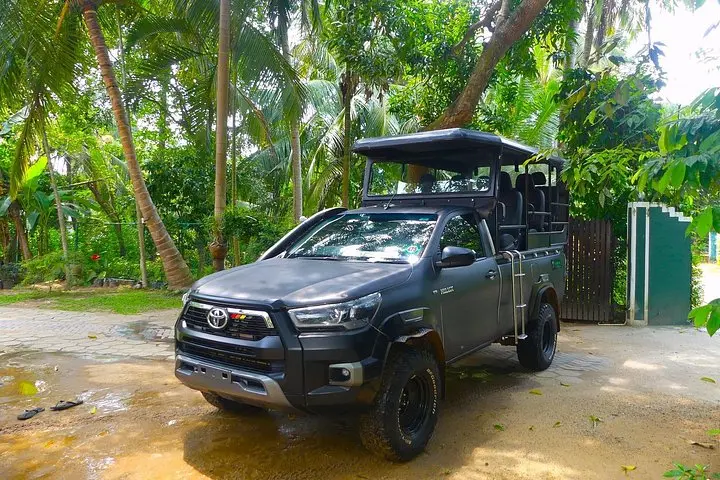
Practically, expect a 2–3 hour private jeep safari on unpaved tracks with minimal elevation change and frequent stops for photography. Guides read elephant behavior and position the vehicle for safe, respectful viewing; do not exit the vehicle unless instructed. Bring sun protection, insect repellent and a small bottle of water (bottled water is typically provided). Golden hour is prime time—animals move to drink and feed, and the light tightens contrasts for photography.
This is a wildlife-focused outing that rewards patience and quiet. Keep voices low, avoid flash, and let the place set the pace—here, the reservoir and its long-time residents decide the itinerary.
Udawalawe has a high likelihood of sightings, especially near the reservoir during dry months, but wildlife is never guaranteed—guides maximize chance by choosing productive routes.
Yes—safaris are low-impact and short; infants should sit on laps and those with mobility issues should confirm vehicle access with the operator.
No—while elephants may come very near the vehicle, touching wild animals is unsafe and discouraged; follow your guide’s safety instructions.
Bottled water is typically included; confirm with the operator about additional snacks or dietary needs before booking.
Yala La Safari Tours operates guided outdoor trips and adventures with an emphasis on safety, stewardship, and memorable experiences.
The jeep eases onto a dusty track as late afternoon fattens the light; the reservoir’s surface glints and the scrublands of Udawalawe begin to hum. Elephants, unconcerned and curious, often step out of the grass and into view, their bulk moving with a calm that seems to slow the world. The evening safari frames these close encounters—low sun, long shadows, and animals that frequently come within arm’s reach of the vehicle.
The jeep eases onto a dusty track as late afternoon fattens the light; the reservoir’s surface glints and the scrublands of Udawalawe begin to hum. Elephants, unconcerned and curious, often step out of the grass and into view, their bulk moving with a calm that seems to slow the world. The evening safari frames these close encounters—low sun, long shadows, and animals that frequently come within arm’s reach of the vehicle.
Udawalawe National Park was created in the 1970s around the man-made Udawalawe Reservoir to protect wildlife and the catchment area. Geologically the landscape is low-lying and gently undulating, a patchwork of dry scrub, grasslands and lakeshore that attracts grazers and the predators that follow them. Local culture around the park is rural and agricultural; small villages and elephant-human histories are visible in waterside fields and irrigation canals.
Practically, expect a 2–3 hour private jeep safari on unpaved tracks with minimal elevation change and frequent stops for photography. Guides read elephant behavior and position the vehicle for safe, respectful viewing; do not exit the vehicle unless instructed. Bring sun protection, insect repellent and a small bottle of water (bottled water is typically provided). Golden hour is prime time—animals move to drink and feed, and the light tightens contrasts for photography.
This is a wildlife-focused outing that rewards patience and quiet. Keep voices low, avoid flash, and let the place set the pace—here, the reservoir and its long-time residents decide the itinerary.