THE ADVENTURE COLLECTIVE® · Independent discovery and booking for outdoor travel

Plan an evening private safari at Bundala National Park to witness vast flocks of greater flamingos and dusk elephant visits to nearby tanks. This guided, 4–5 hour tour times wildlife activity with lower light for optimal birding and quiet mammal viewing.
Plan an evening private safari at Bundala National Park to witness vast flocks of greater flamingos and dusk elephant visits to nearby tanks. This guided, 4–5 hour tour times wildlife activity with lower light for optimal birding and quiet mammal viewing.
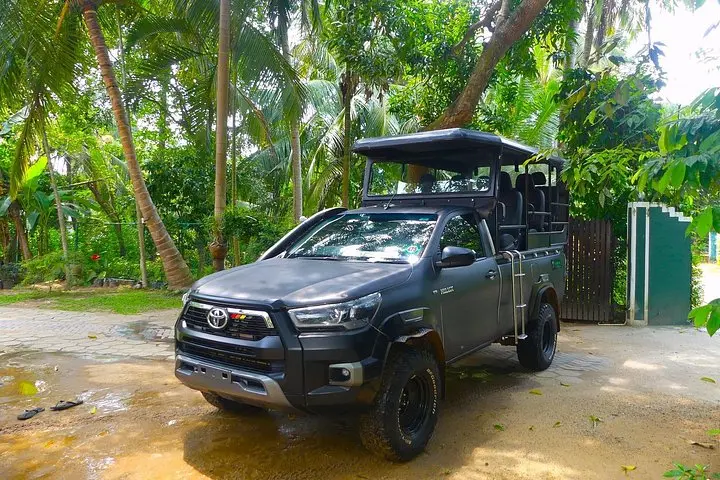
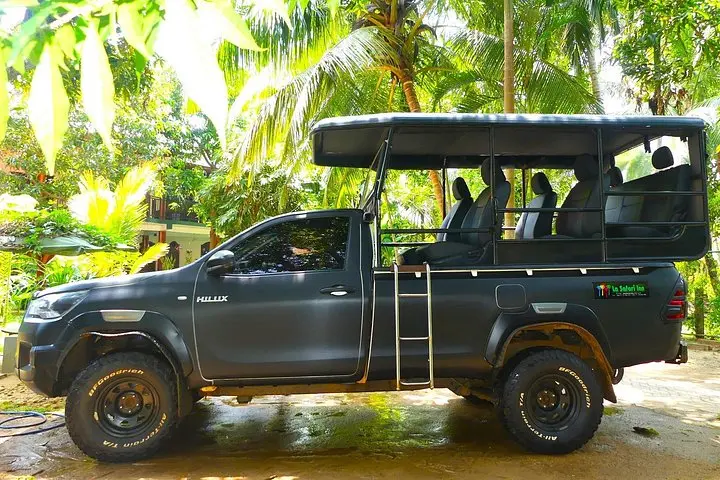
The jeep eases off the dusty track as the sun tilts toward the western marshes; lacquered water throws back a band of gold and the first flamingos lift, a soft pink cloud over the main Bundala lagoon. An evening private safari here is less about speed and more about timing — arriving as waterbirds feed and elephants move toward tanks to drink creates a compact, kinetic wildlife show.
Verified experiences and guided adventures in the surrounding area.
Operated by La Safari Inn · Tissamaharama, Southern Province
The jeep eases off the dusty track as the sun tilts toward the western marshes; lacquered water throws back a band of gold and the first flamingos lift, a soft pink cloud over the main Bundala lagoon. An evening private safari here is less about speed and more about timing — arriving as waterbirds feed and elephants move toward tanks to drink creates a compact, kinetic wildlife show.
Bundala National Park is a UNESCO-designated biosphere reserve and a RAMSAR wetland on Sri Lanka’s southeastern coast. The park’s five brackish lagoons sit on Pleistocene and Holocene coastal deposits, where sand bars and tidal flats create permanent feeding grounds for migratory species. Local culture is tied to small fishing hamlets and agricultural tanks; you’ll often pass low stone tanks and scrub dotted with hardy thorny plants that shelter reptiles and butterflies.
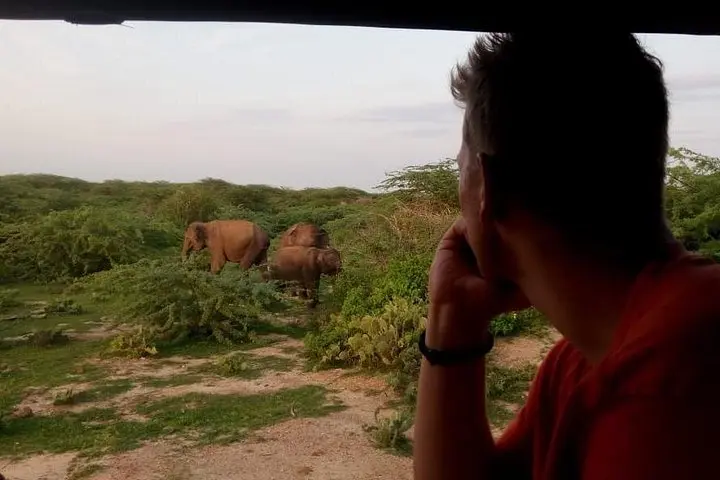
Expect to see tens of waterbird species — greater flamingos, herons and waders — and, at dusk, elephants at nearby Kokara tank. Guides emphasize cautious distance: Bundala’s elephants are wild and can be unpredictable due to ongoing human–wildlife tensions.
Practical guidance: tours run about 4–5 hours in the evening, so bring headlamps, quiet footwear and a good pair of binoculars. Opt for a private vehicle to move quietly between lagoons and look for smaller pools where shorebirds concentrate. Protect electronics from spray and salt air, carry bottled water and insect repellent, and respect marked tracks; staying on routes minimizes disturbance and keeps viewing safe. With patience and low light, the park rewards subtle behaviors — the tilt of a flamingo’s neck, a bull elephant’s slow approach — that make an evening safari memorable.
The private evening safari typically lasts 4–5 hours, timed to reach the lagoons and nearby tanks during dusk wildlife activity.
Children are allowed but infants should sit on laps; organizers note the activity is suitable for most fitness levels and recommend supervision near water.
Sightings are common but never guaranteed; greater flamingos arrive seasonally and elephants frequent nearby tanks at dusk, though visibility depends on timing and local movements.
Yes—low light favors warm tones and silhouettes; bring fast lenses, a tripod or monopod, and protect gear from salt spray.
La Safari Inn operates guided outdoor trips and adventures with an emphasis on safety, stewardship, and memorable experiences.
The jeep eases off the dusty track as the sun tilts toward the western marshes; lacquered water throws back a band of gold and the first flamingos lift, a soft pink cloud over the main Bundala lagoon. An evening private safari here is less about speed and more about timing — arriving as waterbirds feed and elephants move toward tanks to drink creates a compact, kinetic wildlife show.
The jeep eases off the dusty track as the sun tilts toward the western marshes; lacquered water throws back a band of gold and the first flamingos lift, a soft pink cloud over the main Bundala lagoon. An evening private safari here is less about speed and more about timing — arriving as waterbirds feed and elephants move toward tanks to drink creates a compact, kinetic wildlife show.
Bundala National Park is a UNESCO-designated biosphere reserve and a RAMSAR wetland on Sri Lanka’s southeastern coast. The park’s five brackish lagoons sit on Pleistocene and Holocene coastal deposits, where sand bars and tidal flats create permanent feeding grounds for migratory species. Local culture is tied to small fishing hamlets and agricultural tanks; you’ll often pass low stone tanks and scrub dotted with hardy thorny plants that shelter reptiles and butterflies.
Expect to see tens of waterbird species — greater flamingos, herons and waders — and, at dusk, elephants at nearby Kokara tank. Guides emphasize cautious distance: Bundala’s elephants are wild and can be unpredictable due to ongoing human–wildlife tensions.
Practical guidance: tours run about 4–5 hours in the evening, so bring headlamps, quiet footwear and a good pair of binoculars. Opt for a private vehicle to move quietly between lagoons and look for smaller pools where shorebirds concentrate. Protect electronics from spray and salt air, carry bottled water and insect repellent, and respect marked tracks; staying on routes minimizes disturbance and keeps viewing safe. With patience and low light, the park rewards subtle behaviors — the tilt of a flamingo’s neck, a bull elephant’s slow approach — that make an evening safari memorable.